

Categories Uncategorized

How Blood Tests Help Diagnose Infections

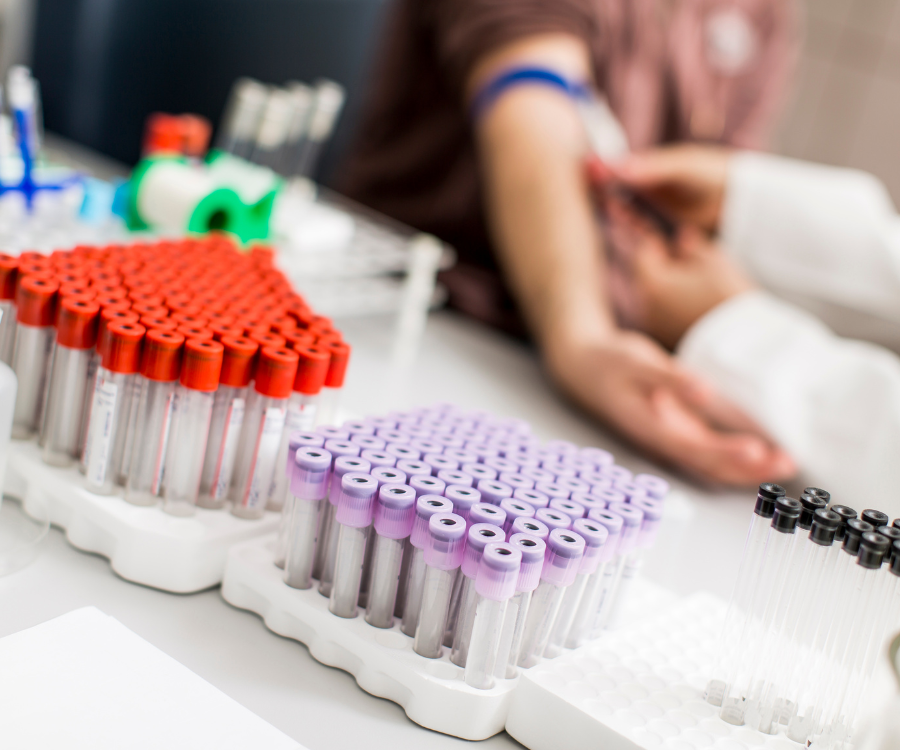
Blood tests are a valuable tool in the diagnosis of infections. They can help identify the type of infection, the cause, and even the stage of the illness. By examining the components of your blood, doctors can gain insights into your overall health and detect signs of an infection.

Types of Blood Tests for Infections

Several types of blood tests can be used to diagnose infections. These include:

  • Complete Blood Count (CBC): This test measures the number of red blood cells, white blood cells, and platelets in your blood. An elevated white blood cell count can be a sign of infection.  
  • C-reactive protein (CRP): CRP is a protein produced by the liver in response to inflammation. A high CRP level can indicate an infection or other inflammatory condition.
  • Erythrocyte sedimentation rate (ESR): This test measures how quickly red blood cells settle at the bottom of a test tube. A high ESR can be a sign of inflammation, including that caused by an infection.
  • Culture: A culture test involves taking a sample of blood and growing it in a laboratory to identify any bacteria or fungi that may be causing the infection.
  • Antibody tests: These tests look for antibodies in your blood, which are proteins produced by your immune system in response to an infection.

How Blood Tests Work

When you have an infection, your body’s immune system responds by producing white blood cells and other cells to fight off the invading pathogens. These changes can be detected through blood tests.

For example, if you have a bacterial infection, your body will produce more white blood cells to help fight the bacteria. A CBC test can reveal this increase in white blood cells. Additionally, the type of white blood cells may provide clues about the type of infection.

Antibody tests can help determine if you have been exposed to a particular infection in the past. If you have antibodies to a specific pathogen, it suggests that you have had the infection or have been vaccinated against it.

Importance of Blood Tests

Blood tests are essential for diagnosing infections because they can provide early warning signs and help guide treatment. By identifying the type of infection, doctors can prescribe the appropriate antibiotics or other medications. Early diagnosis and treatment can help prevent complications and improve your chances of a full recovery.

If you suspect you may have an infection, it’s important to see a doctor for evaluation and testing. Blood tests can be a valuable tool in diagnosing the condition and determining the best course of treatment.

Categories Uncategorized

How Accurate Are Blood Tests? Myths vs. Facts

Blood tests are a cornerstone of modern medicine, providing invaluable insights into our health. However, there’s a lot of misinformation surrounding their accuracy. Let’s debunk some common myths and explore the facts.

Myth 1: Blood tests are always 100% accurate.

  • Fact: While blood tests are highly reliable, they’re not infallible. Factors like sample handling, laboratory procedures, and even the individual’s health can influence results. It’s essential to discuss any concerns with your healthcare provider.

Myth 2: Higher test values always indicate a more serious condition.

  • Fact: This isn’t always the case. Sometimes, elevated levels might be due to factors like recent meals, medications, or underlying conditions that aren’t severe. Your doctor will interpret results in conjunction with your symptoms and medical history.

Myth 3: Home blood tests are as reliable as those done in a lab.

  • Fact: While home tests can be convenient, they often lack the precision and standardization of laboratory tests. For accurate and comprehensive results, it’s generally recommended to consult a healthcare professional.

Myth 4: If a blood test comes back negative, you’re definitely healthy.

  • Fact: A negative result doesn’t always mean you’re disease-free. Some conditions might not be detectable through blood tests, or the test might not be sensitive enough to pick up early-stage issues.

Myth 5: Blood tests can diagnose all diseases.

  • Fact: Blood tests are excellent for detecting many conditions, but they’re not a panacea. Some diseases require other diagnostic methods, such as imaging or biopsies.

In conclusion, blood tests are powerful tools in diagnosing and managing various health conditions. However, it’s crucial to approach them with a realistic understanding of their limitations. By working closely with your healthcare provider, you can make the most of these tests and ensure your overall well-being.

Categories Uncategorized

Understanding Blood Tests for Hormonal Imbalances

Hormonal imbalances can disrupt our bodies in significant ways, causing a range of symptoms from fatigue and weight gain to mood swings and irregular periods. When seeking medical help, blood tests are often a crucial tool for diagnosing these imbalances. Let’s delve into the common blood tests used to assess hormonal health.

Key Blood Tests for Hormonal Imbalances

  1. Thyroid Hormone Tests:
    • Thyroid-Stimulating Hormone (TSH): Measures how hard your pituitary gland is working to stimulate your thyroid.
    • T3 (Triiodothyronine) and T4 (Thyroxine): These are the main thyroid hormones that regulate metabolism.
    • Free T3 and Free T4: These are the active forms of T3 and T4 that circulate in your blood.
  2. Sex Hormone Tests:
    • Estrogen: The primary female sex hormone, involved in reproduction and other bodily functions.
    • Progesterone: Another female sex hormone, essential for pregnancy and menstrual cycles.
    • Testosterone: The primary male sex hormone, but also present in females.
    • Follicle-Stimulating Hormone (FSH) and Luteinizing Hormone (LH): These hormones regulate ovulation and menstrual cycles in females and sperm production in males.
  3. Adrenal Hormone Tests:
    • Cortisol: A stress hormone that regulates blood sugar, blood pressure, and immune function.
    • DHEA (Dehydroepiandrosterone): A precursor to testosterone and estrogen.
  4. Insulin and Glucose Tests:
    • Insulin: A hormone that helps regulate blood sugar levels.
    • Glucose: A simple sugar that is the primary source of energy for cells.

When to Consider Blood Tests

If you’re experiencing symptoms such as:

  • Weight gain or loss
  • Fatigue
  • Mood swings
  • Irregular periods
  • Hair loss
  • Skin changes
  • Sexual dysfunction

It’s a good idea to consult with a healthcare provider to discuss potential hormonal imbalances. They may recommend blood tests to assess your hormone levels.

Remember: Blood tests are just one piece of the puzzle. Your healthcare provider will consider your symptoms, medical history, and other factors when making a diagnosis and treatment plan.

Categories Uncategorized

The Pathologist’s Pivotal Role in Precision Medicine

Precision medicine, a healthcare approach that tailors treatments to individual patients based on their genetic makeup, is revolutionizing the medical field. At the forefront of this transformative trend are pathologists, whose expertise in diagnosing diseases through the examination of tissues and cells is indispensable.

Pathology: The Cornerstone of Precision Medicine

Pathologists play a critical role in precision medicine by:

  • Identifying Genetic Mutations: By analyzing tissue samples, pathologists can detect genetic mutations that predispose individuals to certain diseases or influence their response to specific treatments.
  • Classifying Tumors: Accurate tumor classification is essential for determining the most effective treatment options. Pathologists use advanced techniques, such as immunohistochemistry and molecular testing, to classify tumors based on their molecular characteristics.
  • Monitoring Disease Progression: Pathologists monitor disease progression by examining tissue samples collected before, during, and after treatment. This information helps physicians evaluate the effectiveness of therapies and adjust treatment plans as needed.

The Future of Pathology in Precision Medicine

As technology continues to advance, pathologists are increasingly leveraging innovative techniques to enhance their role in precision medicine. Some notable developments include:

  • Liquid Biopsies: Liquid biopsies, which involve analyzing circulating tumor cells or DNA in blood, offer a less invasive alternative to traditional tissue biopsies. Pathologists are playing a key role in developing and interpreting liquid biopsy tests.
  • Artificial Intelligence: AI-powered algorithms are being used to assist pathologists in tasks such as image analysis and diagnosis. This technology can help improve accuracy and efficiency, especially in cases with complex or rare diseases.
  • Personalized Medicine: Pathologists are working closely with other healthcare professionals to develop personalized treatment plans based on a patient’s unique genetic profile. This approach holds great promise for improving patient outcomes and reducing healthcare costs.

In conclusion, pathologists are essential contributors to the field of precision medicine. Their expertise in diagnosing diseases and analyzing tissue samples provides valuable insights that inform treatment decisions. As technology continues to evolve, pathologists will undoubtedly play an even more critical role in shaping the future of healthcare.