What Does Your Haemoglobin Level Tell You?
Every routine complete blood count (FBC/CBC) includes a single marker that gives doctors an instant snapshot of your oxygen delivery system: haemoglobin (frequently abbreviated as Hb).
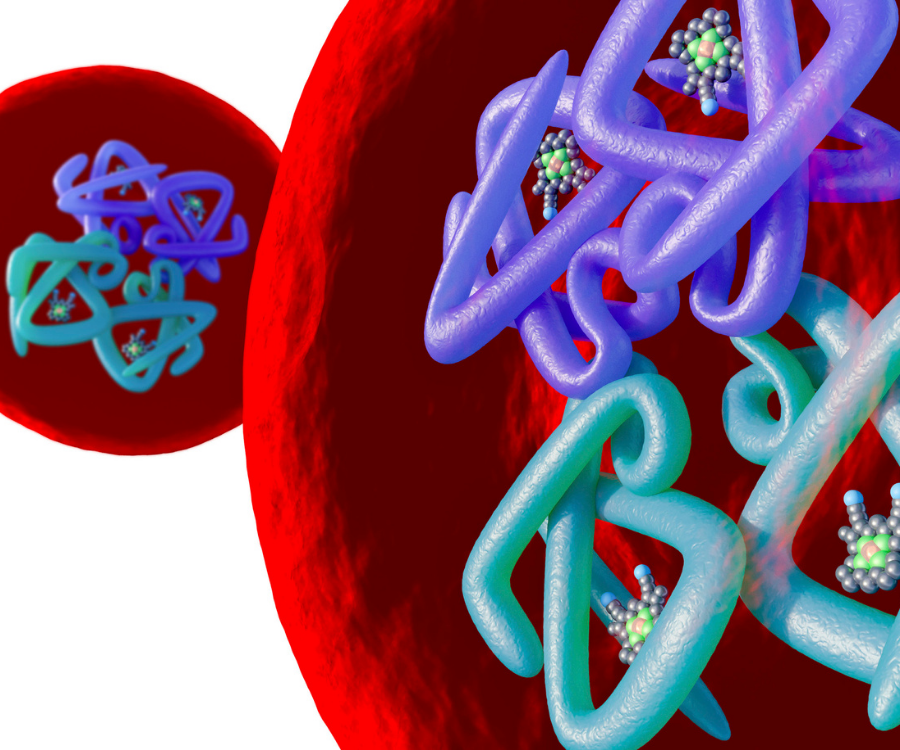
Haemoglobin is an iron-rich protein packed inside your red blood cells. Its primary job is simple yet vital: it binds oxygen in the lungs, carries it through the bloodstream, and releases it into tissues and vital organs before shuttling carbon dioxide back to be exhaled.
When your haemoglobin levels stray outside typical ranges, your body sends subtle—or stark—signals that something in your metabolic or haematological machinery needs attention.
Standard Haemoglobin Reference Ranges
Reference intervals vary slightly between diagnostic laboratories and demographic factors, but clinical baselines are generally defined as:
| Demographic Group | Standard Range (g/dL) | Standard Range (g/L) |
| Adult Men | 13.8 to 17.2 g/dL | 138 to 172 g/L |
| Adult Women (Non-pregnant) | 12.1 to 15.1 g/dL | 121 to 151 g/L |
| Pregnant Women | 11.0 to 14.0 g/dL | 110 to 140 g/L |
| Children (Age dependent) | 11.0 to 16.0 g/dL | 110 to 160 g/L |
Note: Women naturally have slightly lower baseline ranges due to monthly menstrual blood loss and hormonal variations, while pregnant individuals experience hemodilution—an expansion in blood plasma volume that lowers concentration.
What a Low Haemoglobin Level Means (Anaemia)
A result below the standard threshold indicates anaemia. This means your blood cannot carry enough oxygen to meet your tissues’ metabolic demands, forcing your heart and lungs to work harder.
Common Signs and Symptoms
- Persistent, unexplained fatigue and low stamina
- Paleness (pallor) in the skin, inner lower eyelids, or nail beds
- Shortness of breath or dizziness during light exertion
- Cold hands and feet
- Brittle nails, hair shedding, or strange cravings for non-food items like ice or starch (pica)
Primary Root Causes
- Nutrient Deficiencies: Iron deficiency is the most common worldwide culprit. Vitamin B12 and folate deficiencies also disrupt normal red blood cell production.
- Chronic or Acute Blood Loss: Heavy menstrual cycles, gastrointestinal bleeds (ulcers, polyps, or hemorrhoids), or recent major surgeries.
- Impaired Production: Chronic kidney disease (which reduces erythropoietin production), bone marrow disorders, or systemic inflammation from autoimmune conditions (Anaemia of Chronic Disease).
- Premature Destruction (Haemolysis): Conditions like sickle cell disease, thalassaemia, or autoimmune haemolytic anaemia where the body destroys red blood cells faster than it creates them.
What a High Haemoglobin Level Means (Polycythaemia)
While less commonly discussed than anaemia, elevated haemoglobin is equally significant. When haemoglobin climbs too high, blood viscosity increases, making the circulation thicker and more prone to clotting.
Common Signs and Symptoms
- Headaches, blurred vision, and lightheadedness
- A ruddy or flushed complexion, especially on the face and neck
- Pruritus (intense itching), particularly after a hot shower
- Unexplained fatigue or a feeling of fullness in the upper left abdomen
Primary Root Causes
- Dehydration: When plasma volume drops due to inadequate fluid intake or severe sweating, haemoglobin concentration artificially spikes (relative polycythaemia).
- Chronic Hypoxia (Low Oxygen Adaptation):
- Living at high altitudes where ambient oxygen is low.
- Chronic respiratory diseases (COPD, severe emphysema).
- Obstructive sleep apnoea.
- Long-term heavy smoking, which exposes blood to carbon monoxide.
- Bone Marrow Overproduction: Primary conditions like Polycythaemia Vera, a rare blood cancer that causes bone marrow to produce excess red cells.
- Performance-Enhancing Substances: Exogenous erythropoietin (EPO) or anabolic steroid misuse.
Interpreting Haemoglobin in Context
A haemoglobin reading rarely stands on its own. Clinicians evaluate it alongside related haematology markers to pinpoint the root cause:
- Haematocrit (Hct): The percentage of your blood volume made up of red blood cells (usually roughly three times the haemoglobin value).
- Mean Corpuscular Volume (MCV): The physical size of your red blood cells. Small cells (microcytic) typically indicate iron deficiency or thalassaemia; large cells (macrocytic) often point to B12/folate deficiency or thyroid imbalances.
- Serum Ferritin: Measures stored iron reserves. Haemoglobin can remain normal even while your ferritin reserves are critically depleted.
- Reticulocyte Count: Measures newly minted, immature red cells, revealing how actively your bone marrow is responding.
Practical Steps to Support Healthy Haemoglobin
- Target Dietary Iron Appropriately: Combine bioavailable heme iron (lean meats, poultry, fish) with non-heme iron sources (spinach, lentils, fortified cereals).
- Leverage Vitamin C: Ascorbic acid significantly boosts non-heme iron absorption; avoid consuming tea, coffee, or calcium-rich foods alongside iron meals, as tannins and calcium inhibit uptake.
- Stay Adequately Hydrated: Proper fluid balance prevents misleading artificial spikes in concentration on lab panels.
- Consult Before Supplementing: Never self-prescribe high-dose iron pills based purely on a low energy slump. Excess iron accumulates in organs such as the liver and heart (haemochromatosis), so medical confirmation via full iron studies is essential before starting treatment.