

Categories Uncategorized

How Personalized Medicine Starts with Your Blood

The Blueprint in Your Veins: How Personalized Medicine Starts with Your Blood

For decades, medicine followed a “one-size-fits-all” playbook. If you had a specific symptom, you got the standard pill. If it didn’t work, you tried the next one. But we’ve all noticed that two people can take the same medication for the same condition and have completely different results.

The reason? Your biology is unique. And the key to unlocking a healthcare plan designed specifically for you isn’t found in a textbook—it’s flowing through your veins.


What is Personalized Medicine?

At its core, personalized medicine (also known as precision medicine) is the practice of tailoring medical treatment to the individual characteristics of each patient. Instead of treating the “average” person, doctors look at your specific genetic makeup, environment, and lifestyle.

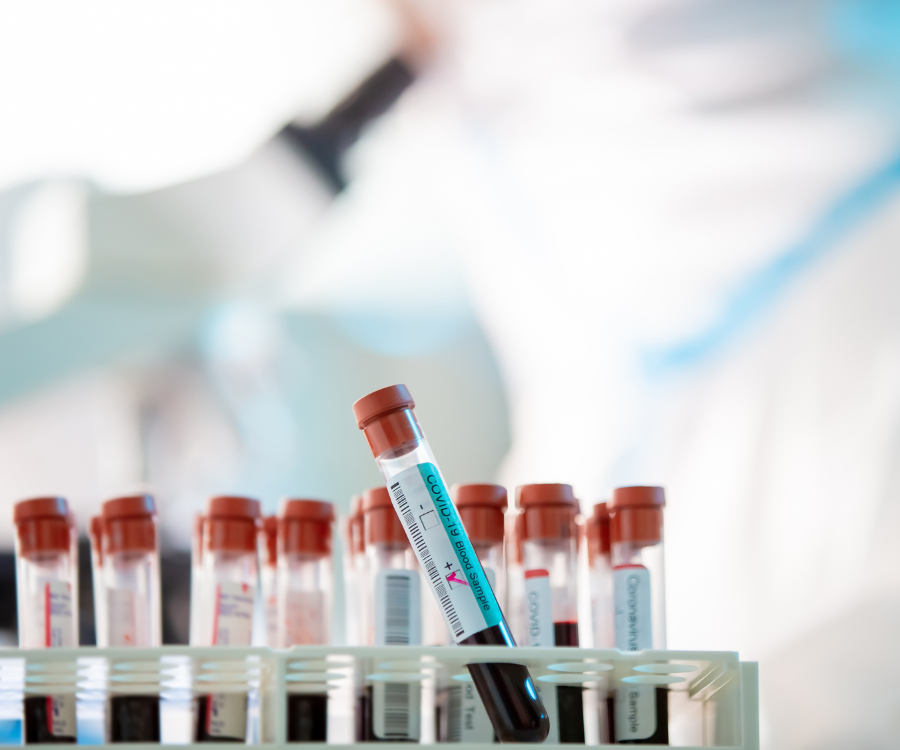
The starting point for almost all of these insights is a simple blood draw.


Why Blood is the Ultimate Diagnostic Tool

Your blood is like a high-speed fiber-optic cable for your body; it carries data to every “department.” By analyzing it, scientists can see what’s happening in your organs in real-time. Here is how blood serves as the foundation for personalized care:

1. Pharmacogenomics: The End of Trial and Error

Have you ever wondered why some people get side effects from a common drug while others feel fine? Pharmacogenomics looks at your DNA (extracted from your blood) to see how your liver enzymes process specific medications.

  • The Benefit: Your doctor can prescribe the right dose—or a different drug entirely—the very first time, avoiding dangerous adverse reactions.

2. Liquid Biopsies and Early Detection

One of the most exciting frontiers in personalized medicine is the liquid biopsy. Traditionally, checking for cancer required invasive tissue samples. Now, advanced blood tests can detect “circulating tumor DNA” (ctDNA).

  • The Benefit: Doctors can spot signs of cancer months or even years before a tumor shows up on an imaging scan, allowing for treatment that is personalized to the cancer’s specific genetic mutations.

3. Real-Time Biomarker Tracking

Your blood contains biomarkers—biological signs like cholesterol levels, glucose, or specific proteins. Personalized medicine uses these to create a “baseline” for you.

  • The Benefit: Instead of comparing your results to a broad national average, your doctor compares your results to your previous stats. This makes it much easier to catch subtle shifts in your health before they become chronic problems.

The Shift from Reactive to Proactive

The real magic of blood-based personalized medicine is the shift in mindset. We are moving away from reactive medicine (fixing things once they break) and toward proactive wellness.

Imagine a world where your annual blood work doesn’t just result in a “you’re fine” phone call, but a detailed report suggesting:

  • Specific dietary changes based on your unique metabolic markers.
  • Preventative screenings tailored to your genetic predispositions.
  • A fitness plan that aligns with how your body recovers from inflammation.

Is Your Blood Ready for the Future?

We are entering an era where your medical records will be more than just a list of past flu shots; they will be a living map of your biology.

Personalized medicine starts with your blood because your blood tells the truest story of who you are. By embracing these tests, you aren’t just a patient—you’re the architect of your own longevity.


Ready to dive deeper? Talk to your healthcare provider about advanced blood panels or genomic testing to see how you can start your journey toward precision health.


Key Takeaways:

  • Precision: No more “guessing” which medication works.
  • Prevention: Catching diseases at the molecular level.
  • Personalization: Health data that is actually about you, not the average person.
Categories Uncategorized

Over-Testing vs Under-Testing: Finding the Right Balance

The Goldilocks Zone of Pathology: Over-Testing vs. Under-Testing

In the world of healthcare, diagnostic testing is our most powerful compass. It guides surgeries, dictates prescriptions, and provides peace of mind. However, like any powerful tool, its effectiveness depends entirely on how it is used.

Lately, the conversation in the medical community has shifted toward a delicate dilemma: Finding the “Goldilocks Zone” between over-testing and under-testing. ### What is Over-Testing? Over-testing occurs when diagnostic tests are performed without a clear clinical indication, or when the results are unlikely to change the patient’s management plan.

While it often stems from a “better safe than sorry” mentality or defensive medicine, over-testing carries several hidden risks:

  • False Positives: The more tests you run, the higher the statistical probability of a “false positive”—an abnormal result in a healthy person.
  • The Cascade Effect: A false positive often leads to more invasive tests, biopsies, or treatments that the patient never actually needed.
  • Psychological Toll: Unnecessary testing can cause “scanxiety” and significant emotional distress for patients.
  • Economic Strain: It places an immense burden on both the patient’s pocket and the broader healthcare system.

The Danger of Under-Testing

On the flip side, under-testing is equally perilous. This happens when necessary diagnostic tools are underutilized due to cost, lack of access, or an oversight in clinical judgment.

The consequences of under-testing are often more immediate and severe:

  • Delayed Diagnosis: Missing the window for early intervention, especially in oncology or chronic infectious diseases.
  • Poor Outcomes: Without accurate pathology data, treatments may be based on guesswork rather than evidence.
  • Long-term Costs: Treating an advanced disease is almost always more expensive and less successful than managing a condition caught early through proper testing.

Striking the Right Balance

Finding the right balance isn’t just about saving money; it’s about Precision Medicine. So, how do laboratories and clinicians work together to find that middle ground?

1. Evidence-Based Guidelines

Pathology is constantly evolving. Following updated protocols—such as those provided by the Choosing Wisely campaign—helps ensure that tests are only ordered when they are scientifically proven to provide value.

2. Clinical Correlation

A lab result should never exist in a vacuum. The most effective testing happens when the pathologist and the treating physician communicate. Understanding the patient’s physical symptoms and history allows the lab to prioritize the tests that actually matter.

3. Patient Education

Sometimes, patients demand tests they’ve seen online. Part of a pathologist’s or clinician’s role is to explain why a certain test might be unnecessary, helping the patient understand that more “data” doesn’t always equal better “health.”

The Bottom Line

In pathology, our goal is to provide the right test, for the right patient, at the right time. By avoiding the extremes of over-testing and under-testing, we protect patients from unnecessary harm while ensuring that no one falls through the cracks. Quality healthcare isn’t defined by the volume of tests we perform, but by the clinical impact of every sample we process.

Categories Uncategorized

Fitness and Blood Work: What Athletes Should Monitor

We often spend hours obsessing over our split times, macros, and sleep scores. But for serious athletes, the most important data isn’t on a wristwatch—it’s in the blood.

Training is essentially a controlled form of stress. When that stress is balanced with recovery, you get stronger. When it isn’t, your performance plateaus, your mood tanks, and your injury risk skyrockets. This is where regular blood work becomes a game-changer. It allows you to peer “under the hood” to see if your biology is actually keeping up with your ambitions.

Here are the key biomarkers every athlete—from marathoners to bodybuilders—should monitor to stay at the top of their game.


1. The Energy Engine: Iron and Ferritin

You can have the strongest lungs in the world, but if you can’t transport oxygen to your muscles, you’ll feel like you’re running through chest-deep water.

  • What to watch: Hemoglobin and Ferritin.
  • The Nuance: Many doctors only look at hemoglobin to check for anemia. However, Ferritin (your iron storage) often drops long before you become clinically anemic. Athletes, especially endurance runners and females, lose iron through sweat and “foot-strike hemolysis” (the physical breaking of red blood cells during high-impact exercise).
  • The Goal: Aim for “optimal” rather than just “normal.” A ferritin level of 20 ng/mL might be “in range” for a sedentary person, but for an athlete, it often leads to unexplained fatigue.

2. Recovery and Stress: Cortisol and Testosterone

If you are training hard but not seeing results, your hormones might be out of sync. This balance is a direct reflection of your training load versus your recovery.

  • The T:C Ratio: The relationship between Testosterone (anabolic/building) and Cortisol (catabolic/stress).
  • The Red Flag: If your cortisol is chronically high and your testosterone is dipping, you are likely in a state of overreaching or overtraining. This leads to muscle wasting, poor sleep, and a weakened immune system.

3. The “Power” Vitamin: Vitamin D

Despite its name, Vitamin D acts more like a hormone. It is critical for bone density, but for athletes, its role in muscle protein synthesis and immune function is paramount.

  • The Reality: Even athletes who train outdoors are often deficient. High intensity training can deplete Vitamin D levels faster than the sun can replenish them.
  • The Goal: Most sports scientists suggest maintaining levels between 40–60 ng/mL for peak neuromuscular function.

4. Inflammation and Muscle Damage: hs-CRP and CK

How well are you recovering from that heavy squat session or long trail run?

  • hs-CRP: This is a marker of systemic inflammation. A temporary spike after a race is normal, but if it stays high, your body is in a state of chronic stress.
  • Creatine Kinase (CK): This enzyme leaks into the blood when muscle tissue is damaged. Monitoring CK helps you understand if you are actually ready for another high-intensity session or if you need an extra rest day.

5. Metabolic Health: Thyroid and Glucose

Your thyroid is the thermostat of your metabolism. Intense dieting combined with heavy training can sometimes cause the body to “downregulate” the thyroid (specifically Free T3) to conserve energy. This makes it harder to lose fat and nearly impossible to maintain high energy levels.


When Should You Test?

For the best results, consistency is key. Getting “one-off” blood work is like looking at a single frame of a movie. You want to see the trend.

Athlete LevelRecommended Frequency
RecreationalOnce a year (during a steady training phase)
CompetitiveTwice a year (Off-season and mid-season)
Elite/ProfessionalEvery 3 months

Pro Tip: The “Pre-Test” Protocol

To get accurate results, do not train for 24–48 hours before your blood draw. Intense exercise can temporarily skew your liver enzymes, inflammation markers, and hydration levels, giving you a “false” alarm on your results.

The Bottom Line: Don’t guess—test. Understanding your blood work takes the guesswork out of your nutrition and recovery, ensuring that every drop of sweat you break is actually moving the needle forward.

Categories Uncategorized

How Stress and Burnout Show Up in Your Bloodwork

We often talk about stress as a feeling—a tight chest, a racing mind, or that Sunday night “dread.” But stress isn’t just “in your head.” It is a systemic physiological event that leaves a clear paper trail in your biology.

When “temporary stress” turns into “chronic burnout,” your body moves from a state of adaptation to a state of exhaustion. If you’ve been feeling depleted despite “normal” checkups, it might be time to look closer at the specific biomarkers that track the toll of Vitamin S (Stress).

Here is how burnout actually manifests in your blood test results.


1. The Cortisol Curve (The Stress Hormone)

Cortisol is your body’s primary alarm system. In a healthy person, cortisol follows a “diurnal rhythm”—high in the morning to wake you up, and low at night so you can sleep.

  • Acute Stress: You’ll often see elevated morning cortisol levels.
  • Advanced Burnout: Ironically, long-term burnout can lead to hypocortisolism (flatlined cortisol). This is when your adrenal system is so fatigued it can no longer produce enough cortisol to keep you alert, leading to that “tired but wired” feeling or total morning exhaustion.

2. High-Sensitivity C-Reactive Protein (hs-CRP)

Stress is pro-inflammatory. When you are burned out, your body remains in a constant state of “fight or flight,” which triggers the immune system.

The hs-CRP test measures low-grade systemic inflammation. While a standard CRP test looks for acute infection, the high-sensitivity version can pick up the chronic, simmering inflammation associated with psychological distress and the increased risk of cardiovascular issues that come with it.

3. Blood Sugar Disruption (HbA1c and Glucose)

Ever notice you crave sugar when you’re stressed? There’s a biological reason. Cortisol triggers the release of glucose into the bloodstream to provide “energy” to run away from a perceived predator.

When stress never stops, your blood sugar remains chronically elevated. Over time, this can lead to:

  • Elevated Fasting Glucose: Higher than normal sugar levels after an overnight fast.
  • Increased HbA1c: A 3-month average of your blood sugar that can creep up even if you have a healthy diet, simply because your liver is constantly pumping out sugar in response to stress.

4. The “Defense” Breakdown: White Blood Cell Count

Chronic stress is an immunosuppressant. Burnout often shows up as a shift in your Complete Blood Count (CBC):

  • Neutrophil-to-Lymphocyte Ratio (NLR): This is a specific ratio doctors look at to measure physiological stress. A high NLR often indicates that the body is under significant systemic pressure.
  • Low White Cell Counts: You might find you’re at the lower end of the “normal” range, explaining why burned-out individuals seem to catch every cold that goes around the office.

5. Nutrient Depletion (Magnesium and B12)

Your body “burns” through certain nutrients faster when it’s under pressure.

  • Magnesium: Stress causes the body to excrete magnesium through urine. Since magnesium is required for muscle relaxation and sleep, this creates a vicious cycle.
  • Vitamin B12 & D: These are essential for energy metabolism and mood regulation. Burnout frequently correlates with a nosedive in these levels, exacerbating feelings of depression and brain fog.

Summary Table: Biomarkers of Burnout

BiomarkerTypical Shift in BurnoutSymptom Link
CortisolAbnormally high or “flat” lowInsomnia, chronic fatigue
hs-CRPElevatedAches, pains, brain fog
Fasting GlucoseElevatedEnergy crashes, sugar cravings
MagnesiumDecreasedMuscle tension, anxiety
NLR RatioIncreasedWeakened immune system

The Bottom Line

If you feel like you’re running on empty, don’t settle for a doctor telling you “everything looks fine” based on a surface-level glance. Ask for a deeper dive into your inflammatory markers and hormonal health.

Your bloodwork is a map of your lifestyle. If the map shows a wildfire, it’s time to stop running and start recovering.