
Categories Uncategorized

Common Blood Disorders Diagnosed Through Pathology

Blood is a complex tissue that plays a vital role in our bodies. When something goes wrong with our blood, it can lead to a variety of health problems. Pathology, the study of disease, is essential in diagnosing these conditions. Here are some common blood disorders that are often diagnosed through pathology:

Anemia

Anemia is a condition where there is a decrease in the number of red blood cells or a decrease in the amount of hemoglobin,

a protein in red blood cells that carries oxygen. It can be caused by a variety of factors, including iron deficiency, vitamin B12 deficiency, and chronic diseases.

Leukemia

Leukemia is a cancer of the blood-forming cells. These cells are found in the bone marrow and produce blood cells. In leukemia, these cells grow abnormally and crowd out healthy blood cells.

Thrombocytopenia

Thrombocytopenia is a condition where there is a decrease in the number of platelets in the blood. Platelets are tiny cells that help blood to clot. When there are fewer platelets, it can lead to bleeding more easily.

Hemophilia

Hemophilia is a genetic disorder that affects the ability of the blood to clot. It is caused by a deficiency in clotting factors, proteins that help blood to clot. People with hemophilia may experience excessive bleeding after injuries or surgery.

Sickle Cell Disease

Sickle cell disease is a genetic disorder that affects the shape of red blood cells. In people with sickle cell disease, red blood cells become sickle-shaped, which can lead to a variety of problems, including pain, anemia, and stroke.

Polycythemia Vera

Polycythemia vera is a condition where there is an overproduction of red blood cells. This can lead to blood thickening, which can increase the risk of blood clots and stroke.

How Pathology Helps Diagnose Blood Disorders Pathologists use a variety of tests to diagnose blood disorders. These tests may include:

  • Complete blood count (CBC): This test measures the number of red blood cells, white blood cells, and platelets in the blood.  
  • Blood smear: This test examines a sample of blood under a microscope to look for abnormalities in the blood cells.
  • Bone marrow biopsy: This test involves removing a sample of bone marrow to examine the blood-forming cells.
  • Genetic testing: This test can help to identify genetic mutations that are associated with certain blood disorders, such as sickle cell disease and hemophilia.

If you are experiencing symptoms of a blood disorder, it is important to see a doctor for a diagnosis. Early diagnosis and treatment can help to prevent complications and improve your quality of life.

Categories Uncategorized

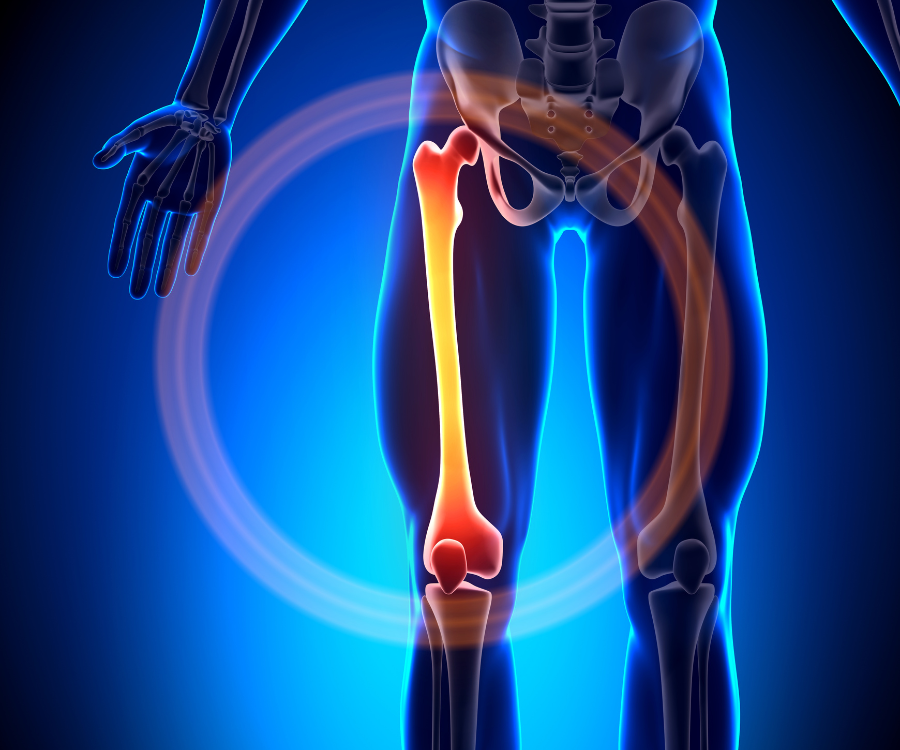
Blood Tests: A Window into Your Bone Health

Understanding the Link Between Calcium and Vitamin D

Have you ever wondered how your doctor can assess the health of your bones without peering inside? It turns out that a simple blood test can provide valuable insights into your skeletal health. Two key nutrients, calcium and vitamin D, play a pivotal role in bone strength and density.

Calcium: The Building Block of Bones

Calcium is a mineral essential for strong bones. It’s found in various foods like dairy products, leafy greens, and fortified cereals. When your body doesn’t have enough calcium, it may start to borrow it from your bones, leading to weakened and brittle structures.

Vitamin D: The Calcium Absorber

Vitamin D acts as a catalyst, helping your body absorb calcium from your diet. It’s produced naturally when your skin is exposed to sunlight, but many people also get it from fortified foods and supplements. A vitamin D deficiency can hinder calcium absorption, leading to bone problems.

How Blood Tests Reveal Bone Health

A blood test can measure the levels of calcium and vitamin D in your bloodstream. If your levels are low, it could indicate a potential risk for bone problems.

  • Low calcium levels might suggest a calcium deficiency or underlying conditions like kidney disease or parathyroid disorders.
  • Low vitamin D levels can be a sign of a deficiency, which can lead to poor calcium absorption.

Why Blood Tests Matter

Regular blood tests can help your doctor:

  • Identify potential bone health issues early.
  • Recommend appropriate treatment or lifestyle changes.
  • Monitor the effectiveness of any interventions.

Taking Care of Your Bones

To maintain healthy bones, consider these steps:

  • Eat a balanced diet rich in calcium and vitamin D.
  • Get regular sunlight exposure.
  • Engage in weight-bearing exercises.
  • Talk to your doctor about supplementation if needed.

By understanding the connection between blood tests, calcium, and vitamin D, you can take proactive steps to protect your bone health. Remember, early detection and intervention are key to preventing serious bone problems.

Categories Uncategorized

Secrets to Weight Loss: The Power of Blood Testing

Are you struggling to shed those stubborn pounds? Have you tried countless diets and exercise routines without seeing significant results? It’s time to consider a more personalized approach: blood testing.

Understanding Blood Testing for Weight Loss

Blood tests can offer valuable insights into your body’s unique metabolic processes, hormonal imbalances, and underlying health conditions that may be hindering your weight loss journey. By identifying these factors, you can tailor your approach to achieve optimal results.

Key Blood Tests for Weight Loss

  1. Hormone Panel: Hormonal imbalances can significantly impact weight management. A comprehensive hormone panel can assess levels of thyroid hormones (T3 and T4), insulin, cortisol, and sex hormones, all of which play a crucial role in metabolism and appetite regulation.
  2. Nutrient Deficiency Testing: Deficiencies in essential nutrients like vitamin B12, iron, and vitamin D can impair metabolic function and energy levels. Blood tests can help identify and address these deficiencies.
  3. Lipid Panel: This test measures cholesterol and triglyceride levels, which are important factors in heart health and weight management. High levels of LDL cholesterol and triglycerides can contribute to weight gain and increased risk of cardiovascular disease.
  4. Glucose Tolerance Test: This test assesses your body’s ability to process glucose, which is essential for energy production. It can help identify or rule out conditions like diabetes, which can significantly impact weight management.
  5. Inflammation Markers: Chronic inflammation has been linked to weight gain and difficulty losing weight. Blood tests can measure markers of inflammation, such as C-reactive protein (CRP), to assess your body’s inflammatory state.

Benefits of Blood Testing for Weight Loss

  • Personalized Approach: Blood tests provide a deeper understanding of your individual needs, allowing you to create a customized weight loss plan.
  • Identification of Underlying Issues: Blood testing can uncover hidden health conditions that may be contributing to weight gain.
  • Improved Results: By addressing the root causes of weight gain, you can achieve more sustainable and long-lasting results.
  • Enhanced Overall Health: Blood testing can help identify other health concerns, such as nutrient deficiencies or hormonal imbalances, that may be affecting your overall well-being.

Consulting with a Healthcare Professional

While blood testing can be a valuable tool for weight loss, it’s essential to consult with a healthcare professional to interpret the results and develop a personalized plan. They can provide guidance on lifestyle changes, dietary adjustments, and potential medical interventions if necessary.

Conclusion

Blood testing can offer valuable insights into your weight loss journey, providing a more targeted and effective approach. By understanding your body’s unique needs and addressing underlying issues, you can increase your chances of achieving sustainable weight loss and improved overall health.

Categories Uncategorized

Conquering Your Fear of Blood Tests

Fear of needles, or trypanophobia, is a common phobia. Many people experience anxiety or even panic when faced with the prospect of a blood test. However, these feelings can be managed and overcome.

Understanding Your Fear The first step to overcoming your fear is to understand its source. Is it the pain, the sight of blood, or the fear of the unknown? Identifying the specific triggers can help you develop strategies to address them.

Preparing for the Test

  • Research: Learn about the blood test procedure. Understanding what to expect can help reduce anxiety.
  • Inform Your Doctor: Share your fear with your healthcare provider. They can offer reassurance and tailor the procedure to your needs.
  • Deep Breathing Exercises: Practice deep breathing techniques before the test. This can help calm your nerves.
  • Distraction Techniques: Bring something to distract yourself, such as a book, magazine, or headphones with calming music.
  • Support System: Bring a friend or family member for emotional support.

During the Test

  • Communicate: Talk to the healthcare professional about your fear. They can offer reassurance and support.
  • Focus on Your Breathing: Keep your breathing steady and deep.
  • Look Away: If the sight of blood bothers you, look away.
  • Positive Affirmations: Repeat positive affirmations to yourself, such as “I can do this” or “I am strong.”

After the Test

  • Reward Yourself: Celebrate your accomplishment with a small treat.
  • Practice Self-Care: Engage in activities that help you relax and de-stress.

Seeking Additional Support If your fear of blood tests significantly impacts your life, consider seeking professional help. A therapist can teach you coping strategies and help you overcome your phobia.