
Categories Uncategorized

DNA Paternity Testing: Unraveling the Mystery

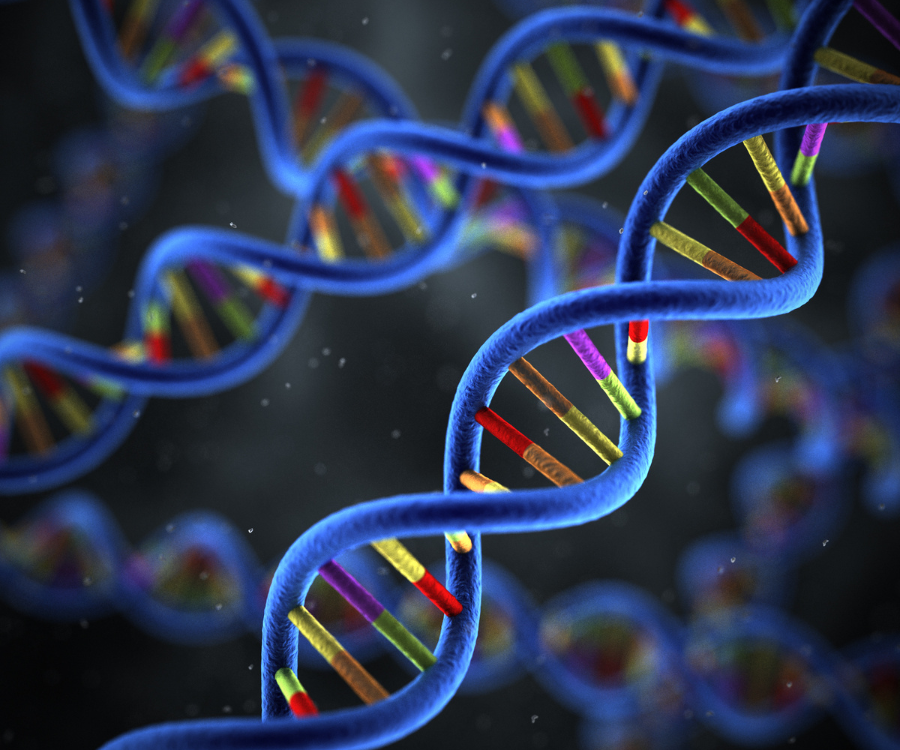
DNA paternity testing has become a cornerstone in determining biological relationships. This scientific process offers definitive answers to questions about parentage, bringing clarity and peace of mind to many.

How Does DNA Paternity Testing Work?

DNA, the unique blueprint of life, is inherited from both parents. A paternity test compares the DNA profiles of a child and an alleged father. By analyzing specific genetic markers, experts can determine with a high degree of accuracy whether the alleged father is the biological parent.

The process typically involves collecting DNA samples, usually through a simple cheek swab. These samples are then analyzed in a laboratory, where sophisticated technology compares the DNA profiles.

Reasons for Paternity Testing

There are various reasons why someone might consider a paternity test:

  • Legal Purposes: Establishing paternity can be crucial for child support, custody arrangements, and inheritance rights.
  • Personal Peace of Mind: Some individuals seek paternity testing to confirm or dispel doubts about their biological father.
  • Immigration: In certain cases, proving a biological relationship through DNA testing is required for immigration purposes.

The Accuracy of DNA Paternity Testing

Modern DNA paternity testing is exceptionally accurate. When conducted by a reputable laboratory, the results are typically considered conclusive. A negative result definitively excludes the alleged father, while a positive result establishes paternity with a high probability.

Ethical Considerations

While DNA paternity testing provides valuable information, it’s essential to approach the process with sensitivity and ethical considerations. Open communication and careful consideration of the potential emotional impact are crucial, especially when involving children.

Choosing a Paternity Testing Service

Selecting a reputable laboratory is essential for accurate and reliable results. Look for accredited facilities with experienced professionals. It’s also advisable to research the services offered, including turnaround times and the cost of the test.

Remember: DNA paternity testing is a powerful tool, and the results can have significant implications. It’s often recommended to seek legal or genetic counseling before proceeding.

Categories Uncategorized

Understanding Pathology in Chronic Diseases

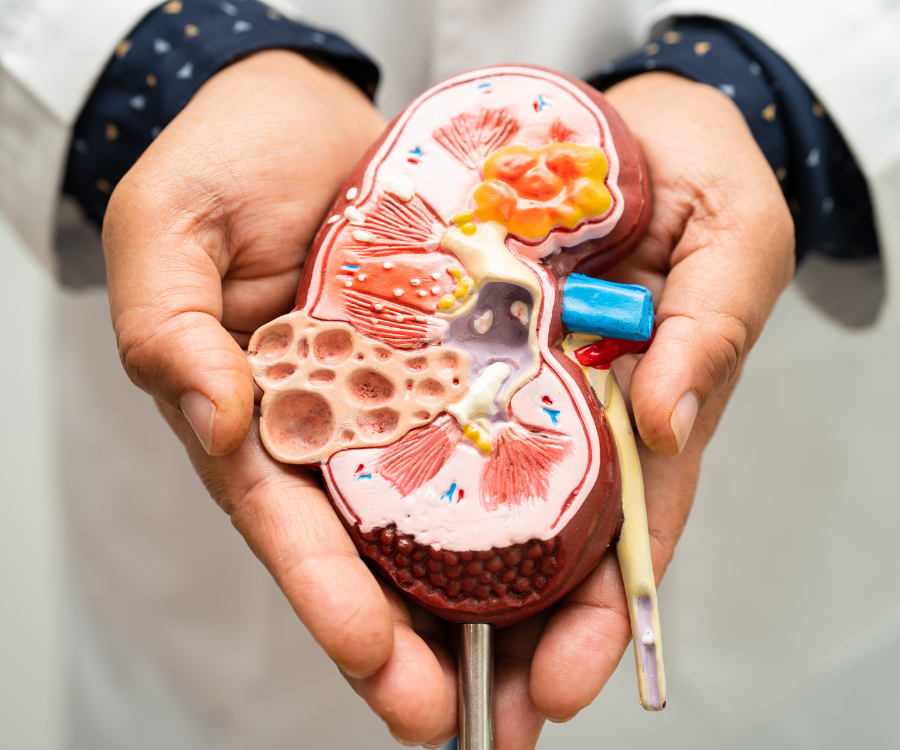
Chronic diseases, those persistent health conditions that linger for years, are a growing global concern. From diabetes and heart disease to arthritis and asthma, these conditions significantly impact quality of life and healthcare systems. While many focus on symptoms and management, understanding the underlying pathology—the study of disease—is crucial for effective treatment and prevention.

What is Pathology?

Pathology is the medical discipline that investigates the causes and nature of diseases. It involves examining body tissues, fluids, and cells to diagnose and understand disease processes. In the context of chronic diseases, pathology plays a pivotal role in:

  • Early detection: Identifying abnormal changes in tissues or cells can help detect diseases in their early stages, when treatment is often more effective.
  • Diagnosis: Accurate diagnosis is essential for appropriate treatment. Pathologists analyze samples to confirm or rule out specific diseases.
  • Understanding disease progression: By studying the changes in tissues over time, pathologists can gain insights into how chronic diseases develop and progress.
  • Developing treatments: Research into the pathological basis of diseases informs the development of new therapies and treatment strategies.

Pathology and Chronic Diseases: A Closer Look

Different chronic diseases have unique pathological features. For example:

  • Diabetes: Characterized by impaired insulin production or resistance, leading to high blood sugar levels. Pathological examination of blood vessels, kidneys, and nerves reveals the damage caused by chronic hyperglycemia.
  • Heart Disease: Involves damage to the heart muscle or blood vessels. Pathologists examine heart tissues for evidence of inflammation, blockages, or tissue scarring.
  • Cancer: Characterized by abnormal cell growth. Pathology is essential for diagnosing cancer types, determining the stage of the disease, and evaluating treatment response.

The Role of Pathology in Prevention

Understanding the pathology of chronic diseases is not just about diagnosis and treatment; it’s also crucial for prevention. By identifying the early stages of disease development, researchers can develop strategies to prevent or delay disease onset.

Conclusion

Pathology, the often-overlooked medical discipline, is a cornerstone in understanding and managing chronic diseases. It provides invaluable insights into disease processes, enabling early detection, accurate diagnosis, and effective treatment. As our knowledge of pathology grows, so does our ability to combat the global burden of chronic illnesses.

Categories Uncategorized

Your Body’s Secret Informants

Understanding the Role of Blood Tests in Detecting Infections

Have you ever wondered how doctors pinpoint the exact culprit behind your illness? Often, the answer lies in a small vial of blood. Blood tests are unsung heroes in the realm of medical diagnosis, providing crucial insights into our health. Today, we delve into how these tests help detect infections.

How Do Blood Tests Uncover Infections?

Our blood is a complex ecosystem teeming with information about our overall health. When an infection strikes, it triggers a series of changes within this fluid. Blood tests can detect these alterations, helping doctors identify the type of infection, its severity, and the best course of treatment.

Here’s a breakdown of how it works:

  • White blood cell count: This test measures the number of white blood cells in your blood. An increase in these cells often indicates an infection.
  • C-reactive protein (CRP): This protein levels rise in response to inflammation, a common sign of infection.
  • Blood culture: This test checks for the presence of bacteria or fungi in the blood.
  • Specific antibody tests: These tests can identify the presence of antibodies against specific viruses or bacteria.

The Importance of Early Detection

Early detection of infections is crucial for effective treatment and preventing complications. Blood tests offer a valuable tool in this regard. By identifying the infection promptly, doctors can prescribe the right antibiotics or antiviral medications, reducing the duration of illness and minimizing the risk of spreading the infection to others.

Beyond Diagnosis

Blood tests do more than just detect infections. They also help monitor the progress of treatment and assess the body’s response to therapy. This information is essential for adjusting treatment plans as needed.

Remember: While blood tests are incredibly helpful, they are just one piece of the diagnostic puzzle. Your doctor will consider your symptoms, medical history, and other factors to reach an accurate diagnosis.

Categories Uncategorized

Understanding Your Hormones

Hormones are the unsung heroes of our bodies, silently orchestrating everything from growth and development to mood and metabolism. While there are countless hormones working behind the scenes, four stand out for their significant impact on our overall health and well-being: cortisol, testosterone, estrogen, and progesterone.

Cortisol: The Stress Hormone

Often referred to as the “stress hormone,” cortisol plays a crucial role in our body’s response to stress. It helps regulate blood sugar levels, blood pressure, and immune function. While essential for survival, chronic stress can lead to elevated cortisol levels, which can have negative consequences on your health.

  • Symptoms of high cortisol: weight gain, difficulty sleeping, weakened immune system, mood swings, and high blood pressure.
  • Symptoms of low cortisol: fatigue, dizziness, low blood pressure, and salt cravings.

Testosterone: The Male Sex Hormone

Although primarily associated with men, testosterone is also present in women. In men, it’s responsible for the development of male sex characteristics, muscle mass, and bone density. In women, it contributes to libido, energy levels, and bone health.

  • Symptoms of low testosterone in men: decreased libido, erectile dysfunction, fatigue, mood swings, and decreased muscle mass.
  • Symptoms of low testosterone in women: decreased libido, low energy, difficulty concentrating, and bone loss.

Estrogen: The Female Sex Hormone

Estrogen is the primary female sex hormone responsible for the development of female sex characteristics, regulating the menstrual cycle, and supporting bone health. It also plays a role in mood, libido, and energy levels.

  • Symptoms of low estrogen: hot flashes, night sweats, vaginal dryness, mood swings, and difficulty sleeping.
  • Symptoms of high estrogen: breast tenderness, bloating, weight gain, and irregular periods.

Progesterone: The Pregnancy Hormone

While progesterone is often associated with pregnancy, it’s essential for both men and women. In women, it helps prepare the uterus for pregnancy, supports the pregnancy, and regulates the menstrual cycle. In men, it helps produce testosterone.

  • Symptoms of low progesterone: irregular periods, infertility, PMS, and breast tenderness.
  • Symptoms of high progesterone: fatigue, breast tenderness, bloating, and mood swings.

It’s important to note that hormone levels can fluctuate naturally due to factors such as age, stress, diet, and lifestyle. If you’re experiencing persistent symptoms related to hormone imbalance, it’s essential to consult with a healthcare professional for proper diagnosis and treatment.

Disclaimer: This blog post is intended for informational purposes only and should not be considered medical advice. Always consult with a healthcare professional for any health concerns.