The Silent Sentinel: Why Liver Screening Blood Tests are Your Secret Weapon
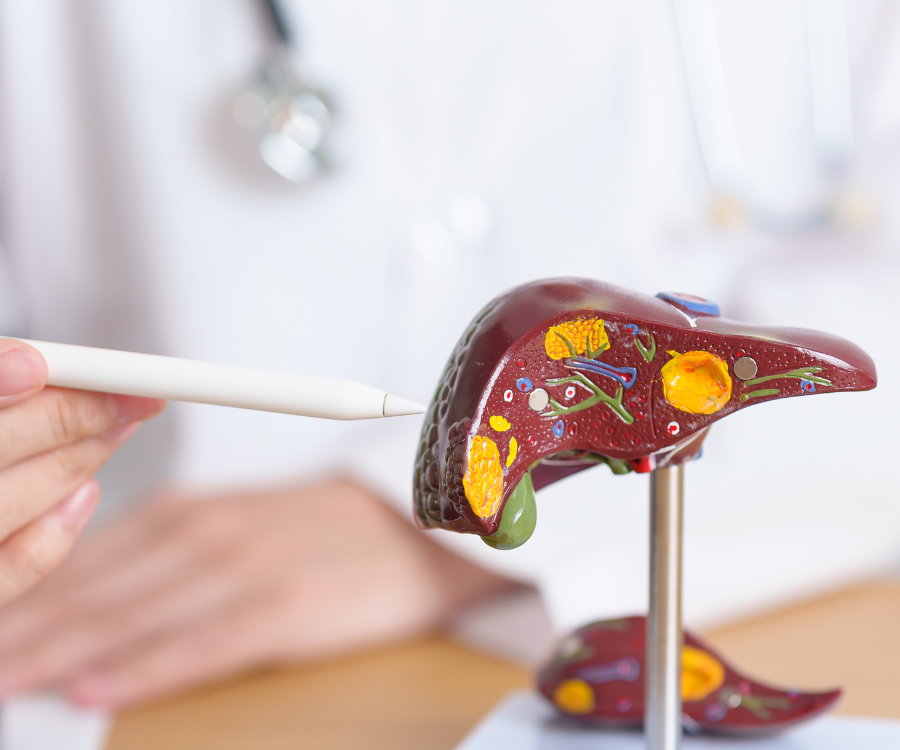
Your liver is a silent hero. It filters toxins, produces proteins, and helps digest food, all without a peep. But this tireless worker is vulnerable to damage, often without noticeable symptoms until it’s late. That’s why regular liver screening blood tests are crucial – they act as your early warning system, identifying potential problems before they turn into major trouble.
Why is the liver so important?
Think of your liver as a factory floor churning out vital tasks for your body. It keeps your blood free of toxins, builds proteins like building blocks for your body, and manufactures bile to aid digestion. But this constant workload makes it susceptible to injury from various sources, including:
- Viruses: Hepatitis A, B, and C can all infect and inflame the liver.
- Alcohol: Excessive alcohol consumption can damage liver cells.
- Fatty liver disease: This condition occurs when too much fat builds up in the liver, interfering with its function.
- Medications: Certain medications can have side effects that harm the liver.
- Autoimmune diseases: In some cases, the immune system mistakenly attacks the liver cells.
Why are liver screening blood tests important?
The insidious nature of liver disease lies in its silence. Often, you won’t experience symptoms until the damage is significant. That’s why proactive screening through blood tests is vital. These tests, typically a panel of various measurements, assess different aspects of your liver function. Anomalies in these levels can point towards potential problems, allowing for early intervention before serious complications arise.
What do liver screening blood tests check for?
Liver function tests measure various proteins and enzymes released by the liver. Elevated levels of specific markers can indicate different issues, such as:
- Bilirubin: High levels suggest issues with bile production or flow.
- Alanine aminotransferase (ALT) and aspartate aminotransferase (AST): Elevated levels indicate liver cell damage.
- Albumin: Lower levels suggest impaired protein production by the liver.
- Gamma-glutamyl transferase (GGT): Increased levels may indicate bile duct problems or alcohol abuse.
Who should get liver screening blood tests?
Regular screenings are especially important for individuals at higher risk for liver disease, such as:
- People with a family history of liver disease
- Heavy drinkers
- Individuals with obesity or diabetes
- Those taking medications known to affect the liver
- People exposed to hepatitis viruses
Remember, early detection is key!
Liver disease is often reversible with early diagnosis and proper treatment. Regular liver screening blood tests empower you to become an active participant in your health, safeguarding your silent sentinel. Talk to your doctor about whether you should get a liver screening, especially if you fall into any of the high-risk categories. This simple precaution can be your first line of defense against a silent threat, ensuring your liver stays healthy and keeps its vital work going smoothly.
By prioritizing liver health and embracing the power of preventive screening, you can give your silent hero the support it deserves.
Additional tips:
- Maintain a healthy weight through balanced diet and exercise.
- Limit alcohol consumption.
- Avoid sharing personal items like razors or toothbrushes that could transmit hepatitis.
- Discuss all medications you take with your doctor to assess potential liver risks.
Take care of your liver, and it will take care of you!