
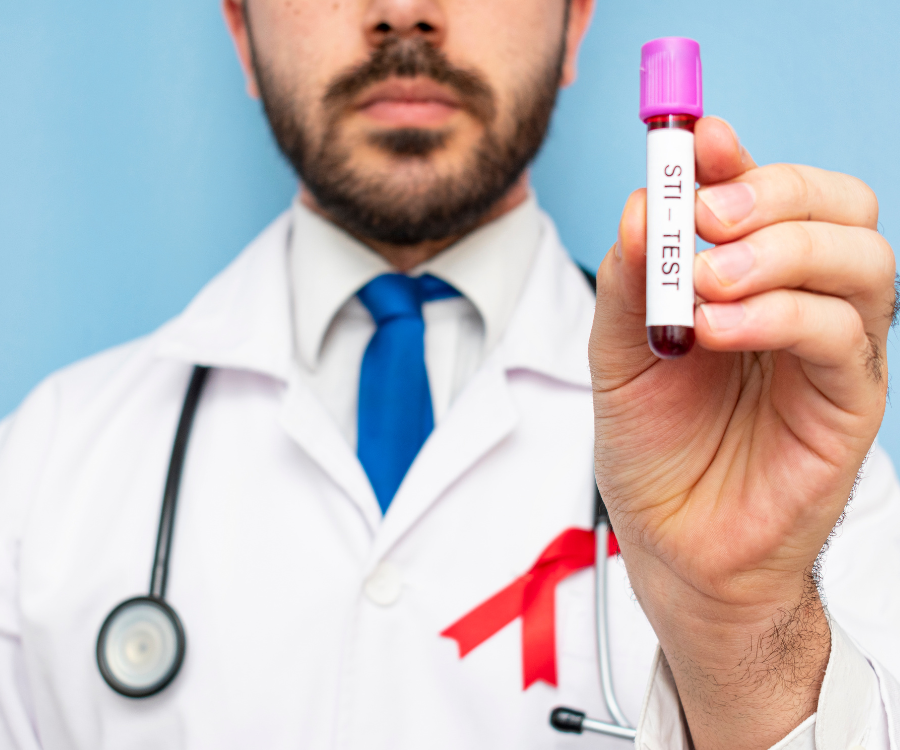
Your Guide to STIs: Why Blood Tests Matter for Sexual Health
Let’s talk about sex. No, really. Open communication and responsible practices are vital for healthy sexual experiences, and that includes understanding sexually transmitted infections (STIs). While some STIs have noticeable symptoms, many don’t, making regular testing crucial for both individual and partner health.
What are STIs?
Sexually transmitted infections are infections passed through sexual contact (vaginal, anal, or oral). They can be caused by bacteria, viruses, or parasites and affect millions of people globally. Common STIs include:
- Chlamydia and gonorrhea: These bacterial infections often have no symptoms but can lead to serious complications if left untreated.
- HIV: The human immunodeficiency virus attacks the immune system, potentially leading to AIDS.
- Hepatitis B and C: These viruses can damage the liver over time.
- Syphilis: This bacterial infection can cause long-term health problems if untreated.
- Herpes simplex virus (HSV): This virus causes genital herpes, which can cause outbreaks of painful blisters.
- Human papillomavirus (HPV): This virus can cause genital warts and some types of cancer.
Why are blood tests important?
Blood tests offer a safe and effective way to screen for many STIs. These tests detect antibodies or antigens produced by your body’s immune system in response to an infection. Early detection is key, as it allows for prompt treatment, preventing complications and transmission to partners.
Benefits of regular STI testing:
- Protects your health: Early treatment prevents complications like infertility, pelvic inflammatory disease (PID), and certain cancers.
- Protects your partner’s health: Timely diagnosis and treatment minimize the risk of transmission.
- Peace of mind: Knowing your status reduces anxiety and empowers you to make informed decisions about your sexual health.
Who should get tested?
Anyone who is sexually active should consider regular STI testing, especially:
- People with new sexual partners
- Individuals engaging in unprotected sex (including oral sex)
- Persons experiencing any STI symptoms (burning during urination, unusual discharge, sores, etc.)
- Pregnant individuals or those planning pregnancy
Where to get tested?
Many options exist for STI testing:
- Doctor’s office: Discuss testing options with your healthcare provider.
- Planned Parenthood or other community health clinics: These facilities offer confidential and affordable testing.
- At-home testing kits: While convenient, consult a healthcare professional to discuss test results and potential treatment.
Remember:
- There’s no shame in getting tested. It’s a responsible and proactive step towards maintaining sexual health.
- Testing is confidential and privacy is protected.
- Treatment options are available for most STIs, and early detection is key to successful outcomes.
Taking charge of your sexual health starts with open communication and informed decisions. Regular STI testing, particularly blood tests, empowers you to protect yourself and your partners. Talk to your healthcare provider today and make sexual well-being a priority.