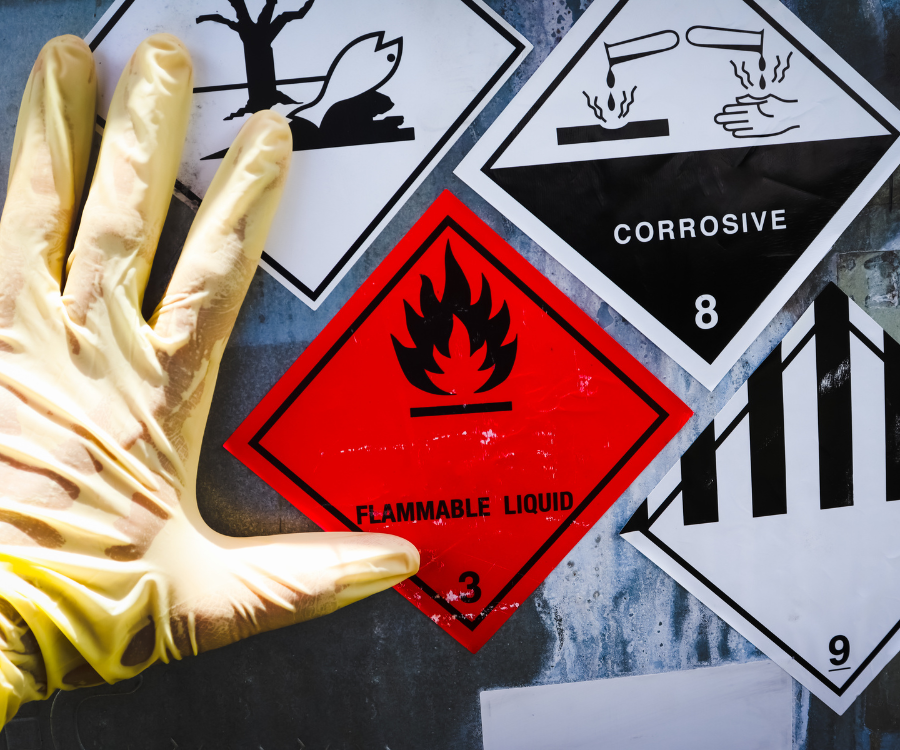
Working in the mining sector presents numerous occupational hazards, with chemical exposure being a significant concern for workers. From harmful substances released during extraction processes to the risk of toxic fumes in confined spaces, miners face potential health risks on a daily basis. In this blog post, we’ll explore the dangers of chemical exposure in the mining industry and highlight the importance of regular blood tests for mine workers to safeguard their health and well-being.
Understanding Chemical Exposure in Mining: Chemical exposure in mining can occur through various pathways, including inhalation of airborne particles, skin contact with hazardous substances, and ingestion of contaminated food or water. Common chemicals encountered in mining operations include heavy metals like lead, mercury, and arsenic, as well as toxic gases such as sulfur dioxide and hydrogen sulfide. Prolonged or repeated exposure to these chemicals can have serious health consequences, ranging from respiratory problems and neurological disorders to cancer and reproductive issues.
The Importance of Blood Tests for Mine Workers: Given the potential risks associated with chemical exposure, regular monitoring of miners’ health is essential for early detection and prevention of occupational illnesses. Blood tests serve as valuable diagnostic tools for assessing the levels of toxic substances in the body and detecting any adverse health effects. By analyzing blood samples, healthcare professionals can identify elevated levels of heavy metals or other contaminants, allowing for timely intervention and mitigation measures to protect workers’ health.
Benefits of Blood Testing for Mine Workers:
- Early Detection of Health Issues: Blood tests can detect elevated levels of toxic substances in the body before symptoms of illness manifest, enabling early intervention and treatment.
- Monitoring Exposure Levels: Regular blood testing allows for ongoing monitoring of miners’ exposure to hazardous chemicals, helping to identify trends and patterns over time.
- Tailored Health Interventions: By identifying individual workers with elevated exposure levels, targeted interventions such as personal protective equipment (PPE) upgrades or job reassignments can be implemented to reduce risks.
- Compliance with Regulations: Many regulatory agencies require employers in the mining industry to conduct health monitoring, including blood testing, to ensure compliance with safety standards and protect workers’ health.
Conclusion: Chemical exposure poses significant risks to mine workers’ health, highlighting the importance of proactive measures to mitigate these hazards. Regular blood testing plays a crucial role in identifying and monitoring occupational exposures, allowing for early intervention and protection of workers’ health. By prioritizing health monitoring and implementing preventive measures, mining companies can create safer work environments and support the well-being of their employees.