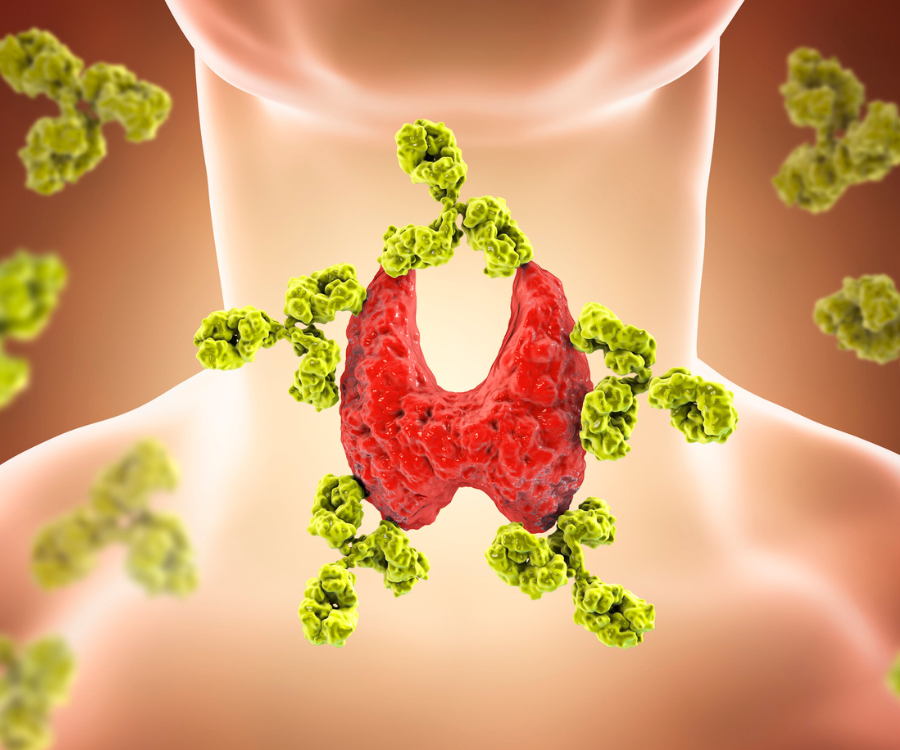
The thyroid gland, a small butterfly-shaped organ in your neck, plays a big role in keeping your body humming. It produces hormones that regulate your metabolism, energy levels, mood, and even heart rate. When your thyroid isn’t functioning properly, it can wreak havoc on these vital processes.
This is where thyroid function tests come in. These simple blood tests can reveal whether your thyroid is underactive (hypothyroidism) or overactive (hyperthyroidism). Early detection and treatment can make a world of difference in managing these conditions and getting you back to feeling your best.
Signs Your Thyroid Might Need Attention
While some people with thyroid problems might not experience any symptoms, others might notice changes like:
- Unexplained weight gain or loss
- Fatigue and sluggishness
- Difficulty sleeping
- Changes in mood or irritability
- Hair loss or thinning
- Sensitivity to cold or heat
- Irregular periods
The Thyroid Testing Toolbox
There are different types of thyroid function tests, but the most common ones measure:
- Thyroid-Stimulating Hormone (TSH): This is often the first test done. TSH is produced by the pituitary gland and stimulates the thyroid to produce hormones. A high TSH level might indicate an underactive thyroid, while a low TSH could suggest an overactive one.
- Free Thyroxine (FT4): This is the main hormone produced by the thyroid. A high FT4 might indicate hyperthyroidism, while a low FT4 could suggest hypothyroidism.
- Triiodothyronine (T3): This is another thyroid hormone, but it’s often measured along with FT4 for a more complete picture.
In some cases, your doctor might also recommend additional tests to check for thyroid antibodies or assess the size and function of the thyroid gland itself.
Why Testing Matters: Taking Control of Your Health
If you’re experiencing symptoms that could be related to your thyroid, getting tested is crucial. Early detection of thyroid problems allows for prompt treatment, which can significantly improve your quality of life.
Treatment Options: Getting Your Thyroid Back on Track
Treatment for thyroid conditions typically involves medication. For hypothyroidism, medication replaces the hormones your thyroid isn’t producing. For hyperthyroidism, medication helps slow down hormone production.
Living Well with a Thyroid Condition
With proper diagnosis and treatment, most people with thyroid conditions can live healthy and fulfilling lives. Regular checkups and ongoing monitoring with your doctor are essential for managing your thyroid health.
Remember: This blog post is for informational purposes only and shouldn’t substitute for professional medical advice. If you’re concerned about your thyroid health, talk to your doctor.