The Cholesterol Lipogram Test: A Word Game for a Healthy Heart
In the vast world of wellness, we often talk about cholesterol and heart health—but what if we told you there’s a fun, little-known literary challenge that highlights just how vital this topic is? It’s a concept inspired by the ancient writing constraint known as a lipogram.
In writing, a lipogram is a work where the author avoids using a specific letter. Think of a full novel written without the letter ‘e’! It forces the writer to think creatively, use synonyms, and find new ways to communicate a crucial idea.
Now, imagine applying this “lipogram test” to your life: what if you had to eliminate the lifestyle habits that are the “forbidden letters” to your heart’s well-being?
It’s time to play this metaphorical game for a real-world win: a happy, strong cardiovascular system.
What is Cholesterol, Anyway? (No Forbidden Letters Here)
Before we start, a quick recap. Cholesterol is a waxy, fat-like substance found in all your body’s cells. Your body needs it to build healthy cells, but too much can pose a risk.
We look at two main types:
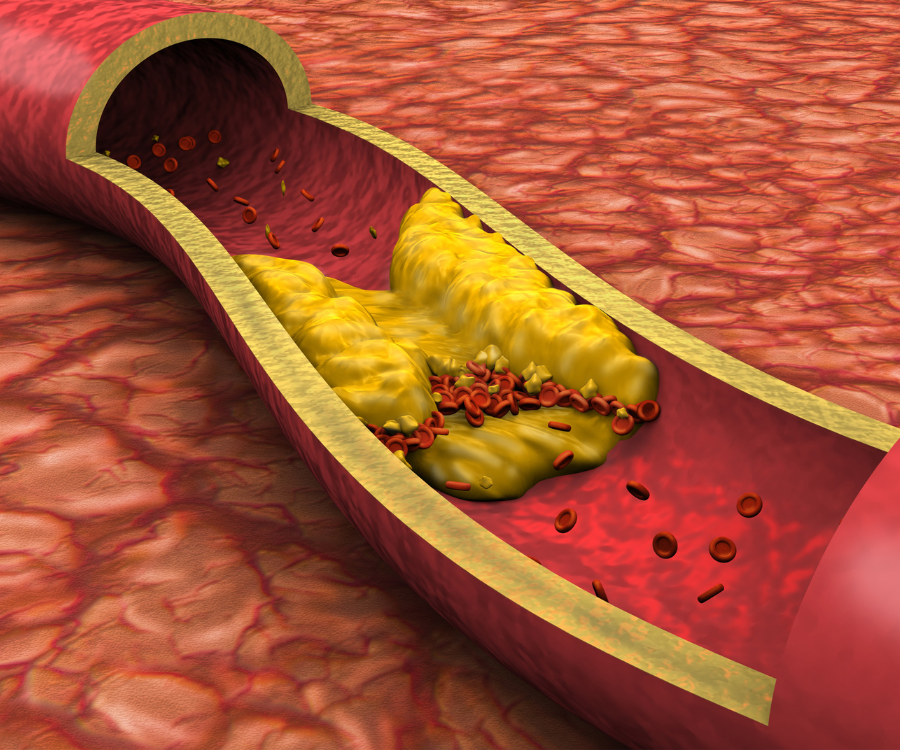
- LDL (Low-Density Lipoprotein): This is the “Bad” cholesterol. High LDL levels contribute to fatty build-ups, or plaque, in your arteries, narrowing them and increasing the risk of a heart attack or stroke.
- HDL (High-Density Lipoprotein): This is the “Good” cholesterol. HDL acts as a scavenger, carrying excess cholesterol back to the liver for disposal. A high HDL level is a plus for your heart health.
Your goal in the Lipogram Test of Life? Boost your HDL and limit your LDL.
🚫 The Lipogram Test: What to Avoid (The “Forbidden Letters”)
If heart health were a novel, certain habits would be the “forbidden letters” we strive to omit. These habits are significant risk factors that can be controlled with conscious effort.