
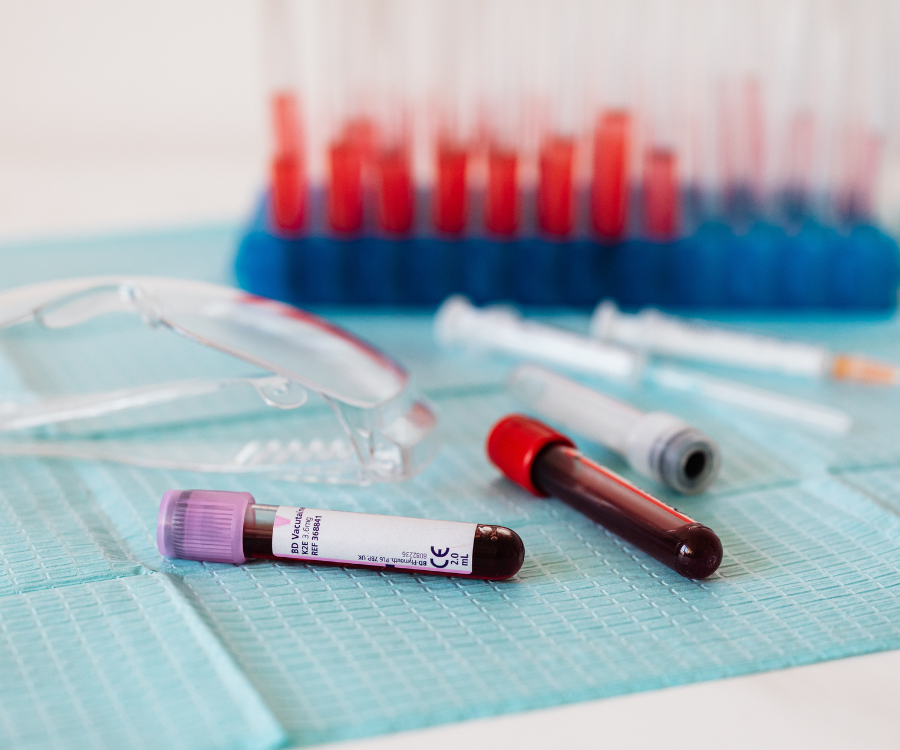
It’s a situation many patients find frustrating: You just sat through a needle prick a few days ago, only to get a call from your doctor’s office saying they need to “run those labs again.”
Naturally, your mind might jump to the worst-case scenario. Did they lose the sample? Is something horribly wrong? Or is this just a way to bill the insurance company more?
The truth is usually much more practical—and much more focused on your safety. Here is a look at the most common reasons why doctors repeat blood tests and why it’s actually a sign of good medical care.
1. Ensuring Results Weren’t “Hemolyzed”
One of the most common reasons for a repeat test has nothing to do with your health and everything to do with the sample itself. Hemolysis occurs when red blood cells rupture during the collection or transport process.
When these cells break, they release their contents (like potassium) into the liquid part of the blood. This can lead to “false high” readings that don’t reflect what is actually happening in your body. To get an accurate baseline, the lab simply needs a fresh, intact sample.
2. Fluctuations and “The Snapshot” Effect
Your blood chemistry isn’t static; it changes based on what you ate, how much water you drank, and even your stress levels. A single blood test is just a snapshot in time.
If a result comes back slightly outside the “normal” range, a doctor may want a second test to see if that was a temporary fluke or a consistent trend. For example, blood sugar or cholesterol levels can be heavily influenced by a single meal if you didn’t fast properly.
3. Confirming a Serious Diagnosis
In medicine, big decisions require big evidence. If a blood test suggests a chronic condition—such as diabetes, kidney disease, or an autoimmune disorder—doctors rarely rely on a single data point.
Repeating the test ensures that the initial finding wasn’t a laboratory error. It provides the “statistical significance” needed to start a long-term treatment plan or prescribe medication that may have side effects.
4. Monitoring Medication and Dosage
If you’ve recently started a new medication, your doctor might repeat blood tests frequently in the beginning. This is often called therapeutic drug monitoring.
The goal here is twofold:
- To ensure the drug is at a high enough level in your system to be effective.
- To ensure the drug isn’t reaching toxic levels or negatively impacting your liver or kidney function.
5. Lab Errors and Technical Glitches
While modern laboratories are highly automated and incredibly accurate, they aren’t perfect. Samples can occasionally be mislabeled, or a machine might require recalibration. If a result looks wildly inconsistent with a patient’s physical symptoms, a doctor’s first instinct is to “verify the data” by running the test again.
The Bottom Line
While nobody enjoys an extra trip to the lab, a repeat blood test is a protective measure. It prevents misdiagnosis and ensures that any treatment you receive is based on solid, verifiable evidence. If you’re ever concerned about why a test is being repeated, don’t hesitate to ask your healthcare provider—they are usually happy to explain which specific value they are double-checking.