Iron Deficiency and Anaemia: Signs You Shouldn’t Ignore
Feeling “run down” is often dismissed as a side effect of a busy lifestyle. We blame work stress, poor sleep, or the change in seasons. However, persistent exhaustion is frequently the body’s way of signaling something deeper. Iron deficiency and its more advanced stage, iron-deficiency anaemia, are among the most common nutritional disorders worldwide, yet their symptoms often hide in plain sight.
Understanding how iron works—and more importantly, how your body reacts when it’s missing—is the first step toward reclaiming your energy.
Why Iron Matters
Iron is the primary engine behind haemoglobin, a protein in your red blood cells that carries oxygen from your lungs to the rest of your body. When iron levels are low, your tissues and muscles don’t get enough oxygen to function effectively. This leads to the “brain fog” and physical heaviness many people experience.
5 Signs You Shouldn’t Ignore
1. Extreme, Unexplained Fatigue
This isn’t just “I stayed up too late” tired. It is a deep-seated lethargy that doesn’t improve with a good night’s rest. If simple tasks like walking up a flight of stairs or doing the grocery shopping feel like a marathon, your oxygen levels might be dipping.
2. Pale Skin and Brittle Nails
Haemoglobin gives blood its red color, which in turn gives skin a healthy glow. If the inside of your lower eyelids, your gums, or your nail beds look paler than usual, it’s a classic red flag. Additionally, “spoon-shaped” nails (koilonychia) that are thin and brittle are a tell-tale sign of long-term deficiency.
3. Shortness of Breath and Heart Palpitations
Because the heart has to work harder to move oxygen-depleted blood around, you might notice your heart “racing” or fluttering. You may also find yourself gasping for air during activities that used to be easy.
4. Cold Hands and Feet
Do you find yourself wearing socks in the middle of summer? Poor circulation caused by a lack of oxygen often results in icy extremities, as the body prioritizes sending blood to vital organs instead of your fingers and toes.
5. Unusual Cravings (Pica)
One of the strangest symptoms of iron deficiency is a craving for non-food items. If you find yourself wanting to chew on ice, dirt, clay, or even paper, your body is likely crying out for minerals.
Common Causes: Who is at Risk?
While anyone can develop anaemia, certain groups are more susceptible:
- Women of childbearing age: Due to blood loss during menstruation.
- Expectant mothers: The body requires significantly more iron to support fetal growth.
- Vegetarians and Vegans: Plant-based iron (non-heme) isn’t absorbed as easily as iron from animal products.
- Frequent blood donors.
Next Steps: Don’t Self-Diagnose
If these symptoms resonate with you, the worst thing you can do is start popping high-dose iron supplements without professional guidance. Excess iron can be toxic and may mask other underlying health issues.
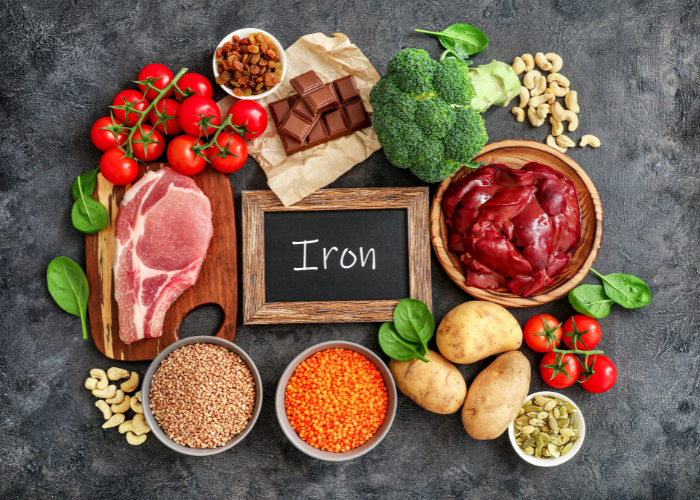
The Golden Rule: Schedule a simple blood test (Full Blood Count and Ferritin levels). Once a deficiency is confirmed, a healthcare professional can help you navigate dietary changes—like increasing intake of leafy greens, legumes, and lean proteins—or prescribe a supplement tailored to your needs.
Quick Tip: To boost absorption, pair iron-rich foods with Vitamin C. Drinking a glass of orange juice with your meal or adding lemon juice to your spinach can significantly increase the amount of iron your body absorbs!