
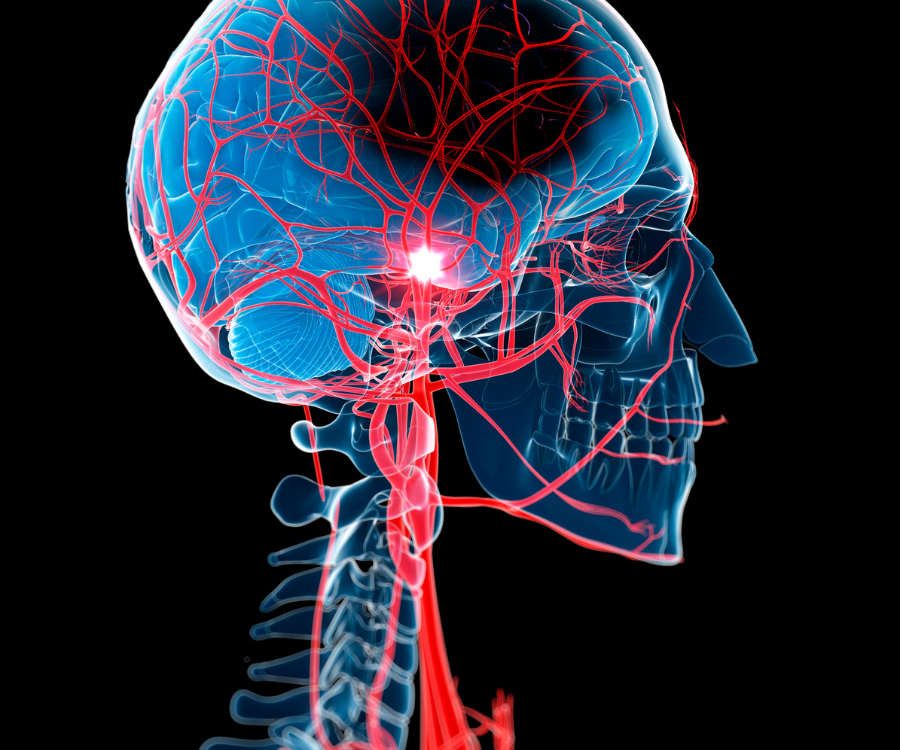
We’ve all been taught to recognize the immediate, frantic signs of a stroke: the sudden facial droop, the weak arm, the slurred speech. But what if we could peer into our future health years before those symptoms ever manifest?
For decades, predicting a stroke felt like trying to predict a lightning strike. You knew the storm conditions were there (like high blood pressure), but you couldn’t pinpoint exactly when or if it would hit.
Today, that narrative is completely shifting. Exciting updates in medical science show that simple blood tests are becoming powerful crystal balls for identifying early signs of stroke risk.
Here is a breakdown of how the latest lab work can save lives by spotting silent cardiovascular trouble ahead of time.
1. The Game Changers: What Blood Biomarkers Are Revealing
When your body is dealing with damaged arteries, silent inflammation, or minor stress on the heart muscle, it leaves behind microscopic chemical breadcrumbs. These are called biomarkers.
While standard blood tests have always checked your cholesterol and blood sugar, doctors are now looking at advanced biomarkers that act as early warning radar systems for stroke potential:
- High-Sensitivity Troponin: Traditionally, doctors run a troponin test in the ER to confirm if someone is currently having a heart attack because the protein leaks when heart muscle is damaged. However, ground-breaking research reveals that adding routine high-sensitivity troponin screening to regular checkups can flag silent, ongoing heart damage. This allows doctors to predict a person’s 10-year risk of heart attack or stroke with up to four times greater accuracy than traditional cholesterol tests alone.
- C-Reactive Protein (hs-CRP): Produced by the liver, hs-CRP is a major indicator of systemic inflammation. If your blood vessels are chronically inflamed, they are much more prone to forming the dangerous arterial plaques and clots that trigger ischemic strokes.
- Lp-PLA2 (Lipoprotein-associated Phospholipase A2): This is an enzyme specific to vascular inflammation. High levels explicitly tell your physician that the plaque in your arteries is unstable and at a high risk of rupturing and traveling to the brain.
2. Moving from “Intermediate Risk” to Concrete Action
One of the biggest hurdles in preventive medicine has always been the “intermediate risk” category. This applies to patients who might have slightly elevated blood pressure or a family history of stroke, but whose numbers aren’t alarming enough to justify aggressive medication like statins or blood thinners.
Advanced blood screenings are filling this grey area. By checking markers like troponin or hs-CRP, physicians can reclassify up to 8% of intermediate-risk patients into a “high risk” category.
Why this matters: Catching an elevated marker allows your healthcare provider to pivot your treatment plan before an event happens—whether that means starting preventive therapies, tweaking your nutrition, or introducing targeted medications.
3. The Future: Spotting Stroke Types on the Way to the ER
Blood testing isn’t just revolutionizing long-term risk prediction; it is also fundamentally transforming emergency response.
A newly developed pre-hospital blood test tracks a brain-specific protein called GFAP (Glial Fibrillary Acidic Protein). When brain tissue suffers damage, GFAP spikes rapidly in the bloodstream. Medical teams can use this metric to differentiate between a bleeding stroke (hemorrhagic) and a clot-based stroke (ischemic) right inside the ambulance. Because these two stroke types require completely opposite treatments, this simple blood draw could save millions of brain cells by cutting down the wait time for definitive care.
The Ultimate Checklist: Tracking Your True Stroke Risk
While the science of preventative blood work is moving incredibly fast, an effective stroke prevention plan requires a holistic view of your health. Use this quick reference guide to see where your risk management stands:
| Risk Factor | How Routine Labs Measure It | Lifestyle Intervention |
| Arterial Health | Lipid Panels (LDL/HDL Cholesterol), ApoB | Heart-healthy diet (Mediterranean, low sodium) |
| Blood Vessel Inflammation | High-Sensitivity C-Reactive Protein (hs-CRP) | Regular exercise, managing stress, quality sleep |
| Metabolic Stress | HbA1c (Blood Sugar over 3 months), Fasting Glucose | Limiting processed sugars, maintaining a healthy weight |
| Silent Heart Damage | High-Sensitivity Troponin | Routine cardiovascular screening, quitting smoking |
Your Next Steps: What to Ask Your Doctor
If you have a family history of cardiovascular issues, or if you simply want to be proactive about your long-term longevity, your standard annual blood work might not be telling the whole story.
At your next physical, consider starting an open, collaborative dialogue with your healthcare provider. You can ask directly: “Given my personal risk profile, would it be beneficial to run an advanced cardiovascular panel, such as high-sensitivity CRP or high-sensitivity troponin, to get a clearer baseline of my vascular health?”
Science has proven that we don’t have to wait for symptoms to protect our brains. A simple blood draw could be the ultimate first step toward a longer, healthier life.
Disclaimer: This article is for informational purposes only and should not replace professional medical advice, diagnosis, or treatment. Always consult with your doctor or a qualified healthcare provider regarding any medical conditions or lab results.