
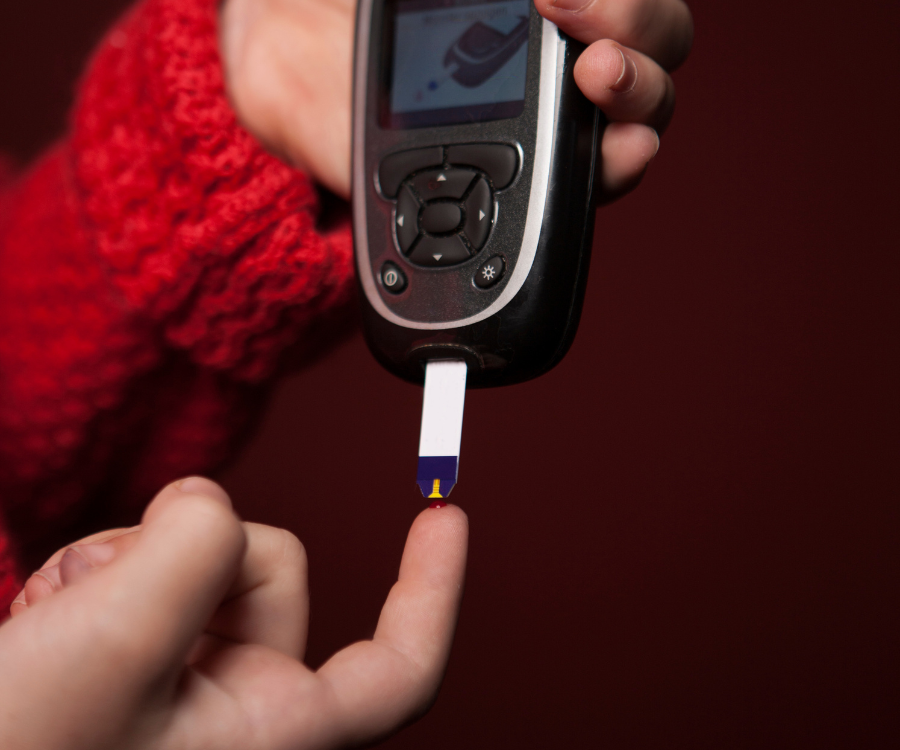
High blood sugar (hyperglycemia) isn’t always as obvious as a sudden faintness or a dramatic physical crash. Most of the time, elevated blood sugar sneaks up gradually. You might feel a little more tired than usual, find yourself reaching for water more often, or notice your vision gets slightly blurry by late afternoon—and write it off as just “a long day.”
When glucose builds up in your bloodstream instead of entering your cells for energy, your body starts firing warning flares. Spotting these signs early can make all the difference in preventing long-term complications or catching condition shifts (like prediabetes or type 2 diabetes) before they progress.
Here are 10 common, subtle signs that your blood sugar may be running too high—and what your body is trying to tell you.
10 Common Signs of High Blood Sugar
1. Unquenchable Thirst (Polydipsia)
If you feel like no amount of water can quench your thirst, high glucose levels might be the culprit. When extra sugar accumulates in your blood, your kidneys are forced to work overtime to filter and absorb it. When they can’t keep up, the excess sugar is excreted into your urine, drawing fluids along with it and leaving you severely dehydrated.
2. Frequent Trips to the Bathroom (Polyphuria)
Going hand-in-hand with constant thirst is frequent urination, especially during the night (nocturia). Because your kidneys are actively flushing out excess glucose, your bladder fills up much faster than usual.
3. Persistent Fatigue and Low Energy
Glucose is your body’s primary fuel source. However, for glucose to fuel your muscles and brain, your body needs insulin to unlock your cells. When your blood sugar is high—either due to insulin resistance or insufficient insulin production—that sugar stays trapped in your bloodstream rather than powering your body. The result? You feel constantly drained, even after a full night’s sleep.
4. Blurry or Fazy Vision
High sugar levels in the blood draw fluid out of the tissues of your body, including the lenses of your eyes. As the lens swells or changes shape, your ability to focus deteriorates, causing temporary blurriness. (Fortunately, vision usually clears up once glucose levels normalize.)
5. Constant Hunger (Polyphagia)
Do you feel ravenous even shortly after eating a balanced meal? Because your cells aren’t getting the glucose they need for energy, your brain receives continuous “starvation” signals, triggering constant food cravings—especially for simple carbohydrates and sugars.
6. Unexplained Weight Loss
While increased appetite is common, high blood sugar can paradoxically cause unexpected weight loss. When your cells can’t access glucose, your body starts burning through stored fat and muscle tissue for energy instead.
7. Slow-Healing Cuts, Scrapes, or Bruises
Elevated blood sugar causes poor blood circulation and damages small blood vessels over time. This restricted blood flow delays the delivery of essential nutrients and oxygen required for tissue repair, making minor cuts or scrapes take weeks to heal.
8. Dry Skin and Frequent Itching
Dehydration from frequent urination can strip moisture from your skin. Additionally, poor circulation combined with damaged nerve endings can cause persistent, uncomfortable itching, particularly on your legs and feet.
9. Recurrent Infections (Like Thrush or UTIs)
Bacteria and fungi (such as yeast) thrive on glucose. When blood and urine carry high levels of sugar, it creates an ideal breeding ground for recurrent yeast infections, thrush, or urinary tract infections (UTIs).
10. Tingling, Numbness, or “Pins and Needles” in Your Feet
Over time, chronically high blood sugar causes damage to peripheral nerves—a condition known as diabetic neuropathy. You might feel a subtle tingling, burning sensation, or numbness starting in your toes or fingers.
Key Signs at a Glance
| Symptom | Primary Cause | What It Feels Like |
| Increased Thirst & Urination | Kidneys flushing extra glucose | Drink constantly; waking up multiple times at night to pee |
| Fatigue & Hunger | Energy/glucose locked out of cells | Feeling sluggish, brain fog, constant carb cravings |
| Slow Healing & Infections | Impaired circulation & high tissue glucose | Cuts taking weeks to heal; frequent yeast/skin infections |
| Nerve Sensations | Nerve fiber damage (neuropathy) | Tingling, numbness, or “pins and needles” in toes |
What to Do Next
If you recognize several of these symptoms in yourself, don’t panic—but don’t ignore them either. A simple blood test from your healthcare provider can give you clear answers.
- Fasting Blood Glucose Test: Measures your blood sugar after an overnight fast.
- HbA1c Test: Shows your average blood sugar levels over the past 2–3 months.