
Protein in Your Urine: What It Could Mean for Your Health
When you visit a doctor for an annual physical or investigate an unexpected symptom, a simple urinalysis is often part of the routine. If the lab results come back showing protein in your urine—known clinically as proteinuria or albuminuria—it is natural to wonder what that means and whether it signals something serious.
While finding protein in urine can sound alarming, the reality is nuanced: it can be a harmless, temporary response to physical stress, or it can serve as an early warning sign of an underlying kidney or cardiovascular condition.
Understanding how your kidneys work, why proteins leak, and what diagnostic steps come next can help you take proactive control of your health.
How Healthy Kidneys Filter Protein
Your kidneys contain roughly one million microscopic filtering units called nephrons. Each nephron features a tiny cluster of blood vessels known as the glomerulus.
Under normal circumstances, the glomeruli act as high-precision sieves:
- They allow waste products, excess fluid, and electrolytes to pass through into the urine.
- They keep essential, large molecules—like red blood cells and vital proteins such as albumin—in your bloodstream.
Albumin is the primary protein circulating in human plasma. It plays an essential role in keeping fluid inside your blood vessels (preventing it from leaking into surrounding tissues) and transporting hormones, vitamins, and enzymes throughout your body. When the kidney’s filtering barriers become inflamed, stretched, or structurally damaged, albumin and other proteins begin spilling into the urine.
Common Causes: Temporary vs. Chronic Proteinuria
Not all proteinuria points to permanent kidney damage. Physicians generally categorize the condition into temporary (transient) and persistent causes.
1. Benign and Temporary Causes
Sometimes, kidneys leak protein briefly due to transient physiological stressors:
- Intense physical exertion: Strenuous endurance exercise can temporarily alter kidney hemodynamics and cause transient proteinuria.
- Dehydration: When blood volume drops, urine becomes highly concentrated, occasionally triggering a false positive or minor spillage.
- High fever or acute illness: Severe infections and systemic inflammation can temporarily disrupt glomerulus permeability.
- Extreme emotional or physical stress: Acute spikes in adrenaline and blood pressure can briefly compromise the filtration barrier.
- Orthostatic (postural) proteinuria: Common in children, teens, and slender young adults, where protein spills into urine only while standing upright, disappearing completely when lying down.
2. Chronic and Systemic Conditions
When proteinuria persists across multiple tests taken weeks apart, it frequently points to chronic systemic conditions:
- Diabetes (Diabetic Nephropathy): Chronically elevated blood sugar damages the fragile capillary walls in the glomeruli over time, making diabetes the leading cause of chronic kidney disease (CKD).
- Hypertension (High Blood Pressure): Uncontrolled high pressure exerts physical force against the delicate vessels of the kidneys, causing mechanical strain and scarring.
- Glomerular Diseases: Conditions such as glomerulonephritis, focal segmental glomerulosclerosis (FSGS), or membranous nephropathy directly attack the kidney’s filtering units.
- Autoimmune Disorders: Systemic Lupus Erythematosus (Lupus Nephritis) and rheumatoid arthritis can trigger immune complexes that deposit in renal tissues.
- Preeclampsia: In pregnant individuals, sudden-onset proteinuria accompanied by high blood pressure after 20 weeks requires urgent medical management.
- Multiple Myeloma: A type of plasma cell cancer that produces abnormal immunoglobulin light chains (Bence-Jones proteins) that overload kidney filters.
Signs and Symptoms to Watch For
In its early stages, mild proteinuria is almost entirely silent. You cannot feel it, and urine appearance often looks normal.
However, as protein spillage increases, distinct clinical signs can appear:
- Persistent foamy or bubbly urine: While a fast stream can create temporary bubbles, protein creates thick, white, soapy foam that does not dissipate quickly and may require multiple flushes.
- Peripheral edema (swelling): Because albumin holds fluid within blood vessels, a drop in circulating albumin causes water to pool in dependent areas—most noticeably in the feet, ankles, lower legs, and hands.
- Periorbital puffiness: Noticeable morning puffiness or swelling around the eyes.
- Fatigue and reduced stamina: As kidney function declines and protein levels drop, systemic energy and metabolic efficiency decrease.
- Shortness of breath: Occurs when excess fluid begins accumulating in the lungs (pulmonary congestion).
How Proteinuria Is Diagnosed and Evaluated
A single positive dipstick test does not establish a diagnosis of kidney disease. Clinicians follow a systematic diagnostic pathway:
| Test | What It Measures | Clinical Purpose |
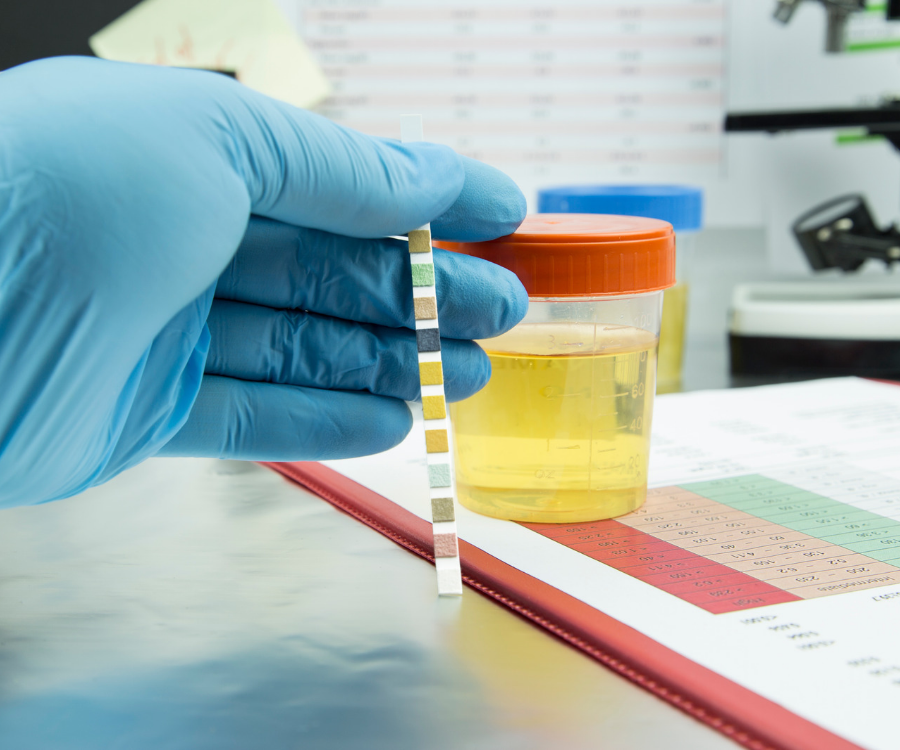
| Urinalysis Dipstick | Semi-quantitative color change reflecting protein concentration | Fast, non-invasive initial screening tool. |
| Urine Albumin-to-Creatinine Ratio (uACR) | Ratio of albumin (mg) to creatinine (g) in a single spot urine sample | Gold-standard test that corrects for hydration status and detects microalbuminuria. |
| 24-Hour Urine Collection | Total milligrams of protein excreted over a complete 24-hour cycle | Evaluates severe protein loss and nephrotic syndrome. |
| Comprehensive Metabolic Panel (CMP) | Serum creatinine, Blood Urea Nitrogen (BUN), and eGFR | Determines overall glomerular filtration rate and kidney function. |
| Renal Ultrasound | Sound-wave imaging of kidney size, structure, and urinary flow | Identifies blockages, cysts, congenital abnormalities, or kidney shrinkage. |
Treatment Approaches and Protecting Kidney Function
Managing proteinuria focuses on addressing the root driver behind the leak rather than just masking the symptom.
Medical Therapies
- ACE Inhibitors and ARBs: Blood pressure medications such as lisinopril or losartan lower intraglomerular pressure, significantly reducing protein spillage and protecting kidney tissue even in non-hypertensive patients.
- SGLT2 Inhibitors: Originally developed for type 2 diabetes, medications like dapagliflozin and empagliflozin have demonstrated substantial kidney-protective benefits by reducing glomerular hyperfiltration.
- Immunosuppressive Agents: For autoimmune or primary glomerulopathies, corticosteroids or targeted biologics help reduce underlying inflammation.
Evidence-Based Lifestyle Strategies
- Optimize Blood Sugar & Blood Pressure: Keeping HbA1c in your target range and maintaining blood pressure below 130/80 mmHg (or your clinician’s specific target) halts microvascular strain.
- Moderate Sodium Intake: Reducing sodium to less than 2,000 mg daily relieves circulatory pressure and improves fluid retention.
- Calibrate Protein Consumption: Contrary to intuition, eating excessive amounts of protein can strain overworked kidneys. Speak with a renal dietitian to determine an appropriate balance of high-quality proteins.
- Avoid Nephrotoxic Drugs: Frequent use of over-the-counter Nonsteroidal Anti-Inflammatory Drugs (NSAIDs) such as ibuprofen and naproxen can reduce blood flow to the kidneys and worsen filtration injury.
When to Contact a Healthcare Professional
If you notice persistent, frothy urine, unexplained swelling in your lower limbs or face, or if routine lab work flags elevated protein, schedule an appointment with a primary care doctor. Early detection through a simple spot urine test (uACR) is one of the most effective ways to preserve long-term kidney vitality.