
Categories Uncategorized

How Pathology Services Improve Patient Care

When we think about healthcare, we often picture doctors, nurses, and cutting-edge medical equipment. But behind the scenes, a crucial element quietly drives diagnosis and treatment: pathology services. These vital services, often unseen by the patient, play a significant role in improving overall patient care.

So, how exactly do pathology services contribute to better health outcomes? Let’s dive in.

1. Precise Diagnosis: The Foundation of Effective Treatment

Pathology is the science of diagnosing disease by examining tissues, organs, and bodily fluids. Think of it as the detective work of medicine. Pathologists analyze samples to identify abnormalities, from cancerous cells to infectious agents. This precise diagnosis is the cornerstone of effective treatment.

  • Cancer Detection: Biopsies analyzed by pathologists can determine the type and stage of cancer, guiding oncologists in developing personalized treatment plans.
  • Infectious Disease Identification: Blood, urine, and other samples are analyzed to pinpoint the specific pathogen causing an infection, allowing doctors to prescribe the most effective antibiotics or antiviral medications.
  • Genetic Disorders: Pathologists can identify genetic mutations associated with inherited diseases, aiding in early intervention and family planning.

2. Guiding Treatment Decisions and Monitoring Progress

Pathology doesn’t just stop at diagnosis. It continues to play a role throughout the patient’s journey.

  • Personalized Medicine: Pathological testing can help determine how a patient’s body will respond to specific medications, ensuring treatments are tailored for optimal results.
  • Monitoring Chronic Conditions: Regular blood tests and other pathology services help monitor the progression of chronic diseases like diabetes or kidney disease, allowing doctors to adjust treatment plans as needed.
  • Post-Treatment Evaluation: After surgery or other interventions, pathologists examine tissues to confirm the success of the procedure and ensure no residual disease remains.

3. Enabling Preventative Care and Early Detection

Pathology services are crucial for preventative care, helping to identify potential health problems before they become serious.

  • Screening Programs: Pap smears, colonoscopies, and other screening tests rely on pathology to detect precancerous changes or early-stage cancers.
  • Risk Assessment: Blood tests can assess cholesterol levels, liver function, and other markers, helping individuals understand their risk for developing certain diseases.
  • Prenatal Screening: Pathology plays a vital role in prenatal care, screening for genetic abnormalities and other potential complications.

4. Improving Patient Safety and Quality of Care

By providing accurate and timely results, pathology services contribute to patient safety and overall quality of care.

  • Reduced Medical Errors: Accurate diagnosis minimizes the risk of misdiagnosis and inappropriate treatment.
  • Faster Turnaround Times: Modern technology and streamlined processes allow for faster turnaround times for test results, enabling quicker treatment initiation.
  • Quality Control: Rigorous quality control measures ensure the accuracy and reliability of pathology testing, safeguarding patient safety.

In Conclusion:

Pathology services are an indispensable part of modern healthcare, working behind the scenes to improve patient care from diagnosis to treatment and beyond. They empower doctors with the information they need to make informed decisions, ultimately leading to better health outcomes for patients. So, the next time you hear about a medical breakthrough or a successful treatment, remember the vital role played by the dedicated professionals in the pathology lab. They are the unsung heroes, working tirelessly to ensure accurate diagnoses and improve the lives of countless individuals.

Categories Uncategorized

The Difference Between Clinical and Anatomical Pathology

Pathology, the branch of medicine dedicated to diagnosing disease, is a vast field. You might have heard of pathologists examining tissues or analyzing blood samples, but did you know these are actually two distinct, yet interconnected, specialties? Let’s delve into the fascinating world of pathology and explore the key differences between clinical and anatomical pathology.

What is Pathology?

At its core, pathology is the science of understanding disease. Pathologists are medical doctors who use a variety of techniques to examine tissues, organs, and bodily fluids to diagnose illnesses and guide treatment. They act as medical detectives, providing crucial insights that help doctors make informed decisions about patient care.

Anatomical Pathology: The Study of Structure

Anatomical pathology focuses on the macroscopic and microscopic examination of tissues and organs. Think of it as the study of the body’s physical structures and how disease alters them. Anatomical pathologists are the experts in:

  • Histopathology: Examining tissue samples under a microscope to identify abnormalities in cell structure and organization. This is crucial for diagnosing cancer, infections, and other diseases.
  • Cytopathology: Analyzing individual cells collected from fluids or scrapings, often used for cancer screening (like Pap smears) and diagnosing infections.
  • Surgical Pathology: Examining tissues removed during surgery, such as biopsies or tumor resections, to determine the nature and extent of disease.
  • Autopsies: Performing post-mortem examinations to determine the cause of death and study disease progression.

Clinical Pathology: The Study of Function

Clinical pathology, on the other hand, focuses on the analysis of bodily fluids, such as blood, urine, and other specimens. It’s the laboratory-based side of pathology, where pathologists use sophisticated tests to measure various substances and identify abnormalities. Key areas within clinical pathology include:

  • Hematology: Studying blood and its components, including red and white blood cells, platelets, and clotting factors. This helps diagnose conditions like anemia, leukemia, and bleeding disorders.
  • Clinical Chemistry: Analyzing the chemical composition of blood and other fluids, measuring things like glucose, electrolytes, enzymes, and hormones. This is vital for diagnosing and monitoring conditions like diabetes, kidney disease, and liver disease.
  • Microbiology: Identifying infectious agents like bacteria, viruses, and fungi in bodily fluids and tissues. This helps diagnose infections and guide antibiotic therapy.
  • Immunology: Studying the immune system and its response to disease, including autoimmune disorders and infections.
  • Transfusion Medicine: Managing blood banks and ensuring the safety and compatibility of blood transfusions.

The Interconnectedness of the Two

While distinct, clinical and anatomical pathology often work hand-in-hand. For example, a surgeon removing a tumor (anatomical pathology) might send a tissue sample to the lab for analysis (clinical pathology) to confirm the diagnosis and determine the best course of treatment. Both branches are essential for accurate diagnosis, disease monitoring, and personalized patient care.

Why is this Important?

Understanding the difference between clinical and anatomical pathology can help you appreciate the complexity of disease diagnosis and the crucial role pathologists play in healthcare. These dedicated medical professionals are the unsung heroes behind the scenes, providing the critical information that empowers doctors to deliver the best possible care.

Categories Uncategorized

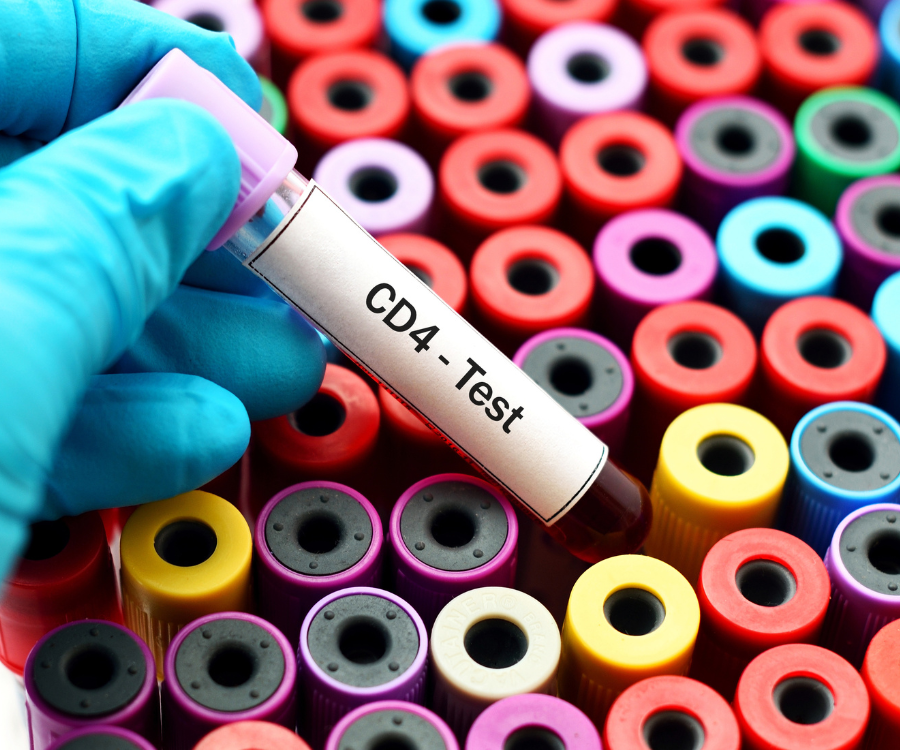
Understanding CD4 Count and HIV Management Through Blood Testing

Living with HIV requires proactive management, and regular blood tests play a crucial role in maintaining health and preventing disease progression. Among these tests, the CD4 count stands out as a key indicator of immune system health. This blog post will delve into the significance of CD4 counts in HIV management and how blood testing helps individuals live healthier lives.

What is a CD4 Count?

CD4 cells, also known as T-helper cells, are white blood cells that play a vital role in the immune system. They help coordinate the immune response to fight off infections. HIV specifically targets and destroys CD4 cells, weakening the immune system over time. A CD4 count measures the number of CD4 cells in a sample of blood, providing a snapshot of the immune system’s strength.

Why is CD4 Count Important for HIV Management?

The CD4 count is a crucial marker for several reasons:

  • Assessing Immune System Health: A higher CD4 count generally indicates a stronger immune system. As HIV progresses and CD4 cells decline, the risk of opportunistic infections (infections that take advantage of a weakened immune system) increases.
  • Monitoring HIV Progression: Tracking CD4 counts over time helps monitor the progression of HIV infection. A significant drop in CD4 count may indicate the need for adjustments in treatment.
  • Guiding Treatment Decisions: CD4 counts help healthcare providers determine when to start or adjust antiretroviral therapy (ART). ART helps to suppress HIV replication, allowing the immune system to recover and CD4 counts to increase.
  • Diagnosing AIDS: A CD4 count below 200 cells/mm³ is one of the criteria used to diagnose AIDS (Acquired Immunodeficiency Syndrome), the most advanced stage of HIV infection.

How is CD4 Count Measured?

CD4 count is measured through a simple blood test. The test is typically performed in a healthcare setting, and the results are usually available within a few days. Regular CD4 count monitoring is recommended for people living with HIV, typically every 3-6 months, or as advised by their healthcare provider.

Managing HIV with CD4 Count Monitoring and ART

With the advent of effective ART, HIV is now a manageable chronic condition. Regular CD4 count monitoring, along with viral load testing (which measures the amount of HIV in the blood), helps healthcare providers assess the effectiveness of treatment and make necessary adjustments.

Key aspects of HIV management include:

  • Regular Monitoring: Consistent monitoring of CD4 count and viral load is essential to track treatment progress and identify any potential issues.
  • Adherence to ART: Taking ART medications as prescribed is crucial for suppressing HIV and maintaining a healthy CD4 count.
  • Healthy Lifestyle: Maintaining a healthy lifestyle through proper nutrition, exercise, and avoiding smoking and excessive alcohol consumption can further support immune health.

Conclusion

CD4 count is a vital tool in HIV management, providing valuable insights into immune system health and guiding treatment decisions. Regular blood testing and adherence to ART are key to maintaining a healthy CD4 count, preventing opportunistic infections, and living a long and fulfilling life with HIV. If you are living with HIV, work closely with your healthcare provider to monitor your CD4 count and ensure you are receiving the best possible care.

Categories Uncategorized

How Accurate Are Blood Tests? Understanding Their Limitations

Blood tests are a cornerstone of modern medicine, providing valuable insights into our health. From routine check-ups to diagnosing complex conditions, these tests play a crucial role in healthcare. But how accurate are they really? While generally reliable, it’s important to understand that blood tests have limitations. This post will delve into the accuracy of blood tests and the factors that can influence their results.

The Accuracy of Blood Tests: A General Overview

Blood tests are designed to be highly accurate, and in most cases, they provide reliable results. Laboratories adhere to strict quality control measures to ensure precision and accuracy. However, like any medical test, blood tests are not perfect.

There are two key concepts to understand when discussing accuracy:

  • Sensitivity: A test’s ability to correctly identify those with a condition (true positive rate).
  • Specificity: A test’s ability to correctly identify those without a condition (true negative rate).

Ideally, a test would have 100% sensitivity and specificity, but this is rarely the case in practice.

Factors Affecting Blood Test Accuracy

Several factors can influence the accuracy of blood test results:

  • Biological Variability: Natural fluctuations in the body can affect certain blood components. For example, hormone levels can change throughout the day.
  • Pre-analytical Errors: These occur before the sample is analyzed in the lab. Examples include:
    • Improper collection techniques
    • Incorrect storage or transportation of the sample
    • Patient factors like fasting or medication use
  • Analytical Errors: These occur during the testing process in the lab. While rare due to quality control measures, they can include:
    • Equipment malfunction
    • Technical errors
    • Reagent issues
  • Test Limitations: Some tests are inherently more prone to variability than others. Additionally, certain conditions may interfere with test results.

False Positives and False Negatives

It’s possible for blood tests to produce inaccurate results, leading to:

  • False Positive: The test indicates a condition is present when it’s not. This can cause unnecessary anxiety and further testing.
  • False Negative: The test indicates a condition is absent when it’s actually present. This can delay diagnosis and treatment.

Minimizing Inaccuracies and Understanding Results

While some degree of variability is inherent, several steps can be taken to minimize inaccuracies:

  • Follow Instructions: Carefully adhere to any pre-test instructions provided by your healthcare provider, such as fasting or avoiding certain medications.
  • Choose Reputable Labs: Ensure your tests are conducted by certified and accredited laboratories.
  • Communicate with Your Doctor: Discuss any concerns or questions you have about your results with your doctor. They can interpret the results in the context of your medical history and other factors.

Conclusion

Blood tests are valuable diagnostic tools, but it’s important to recognize their limitations. While generally accurate, various factors can influence their results. By understanding these factors and communicating openly with your healthcare provider, you can ensure the most accurate interpretation of your blood test results and make informed decisions about your health.