
Categories Uncategorized

The Importance of Regular Complete Blood Count (CBC) Tests

A complete blood count (CBC) test is a common blood test that is used to evaluate your overall health. It can help to detect a variety of conditions, including anemia, infections, and cancer. Regular CBC tests are important for maintaining your health and well-being.

What is a CBC test?

A CBC test measures the number and size of your red blood cells, white blood cells, and platelets. It also measures the amount of hemoglobin in your blood. Hemoglobin is a protein in red blood cells that carries oxygen throughout your body.

Why are CBC tests important?

CBC tests can help to diagnose a variety of conditions, including:

  • Anemia: Anemia is a condition in which you don’t have enough red blood cells. This can cause you to feel tired and weak.
  • Infections: A CBC test can help to detect infections, such as bacterial or viral infections.
  • Cancer: A CBC test can help to detect some types of cancer, such as leukemia.

How often should I get a CBC test?

The frequency of CBC tests will depend on your age, health, and risk factors. Your doctor will be able to recommend the best schedule for you.

What can I expect during a CBC test?

A CBC test is a simple blood test. A healthcare professional will draw blood from a vein in your arm. The test usually takes less than 5 minutes.

Are there any risks associated with CBC tests?

There is a small risk of bleeding or bruising at the site where the blood is drawn.

How can I prepare for a CBC test?

You don’t need to do anything special to prepare for a CBC test. You can eat and drink normally.

What do the results of a CBC test mean?

Your doctor will review the results of your CBC test and discuss them with you. The results can help to diagnose a variety of conditions.

Benefits of regular CBC tests

There are many benefits to getting regular CBC tests. They can help you to:

  • Detect potential health problems early
  • Get the treatment you need
  • Improve your overall health

If you have any questions about CBC tests, please talk to your doctor.

I hope this blog post has helped you to understand the importance of regular CBC tests. If you have any questions, please leave a comment below.

Categories Uncategorized

The Role of Blood Tests in Managing Seasonal Allergies

Seasonal allergies, also known as hay fever, are a common condition that affects millions of people each year. Symptoms can include sneezing, runny nose, itchy eyes, and congestion. While over-the-counter medications can help relieve symptoms, it’s important to see a doctor to get a diagnosis and develop a treatment plan. Blood tests can play an important role in managing seasonal allergies.

What are seasonal allergies?

Seasonal allergies are caused by an overreaction of the immune system to allergens in the environment. Allergens are harmless substances that can trigger an allergic reaction in some people. Common seasonal allergens include pollen from trees, grasses, and weeds. Mold spores can also be a seasonal allergen.

How are seasonal allergies diagnosed?

Doctors can diagnose seasonal allergies based on a person’s symptoms and a physical exam. They may also order allergy tests, such as skin tests or blood tests. Skin tests are the most common type of allergy test. During a skin test, a small amount of allergen is applied to the skin. If the person is allergic to the substance, they will develop a small, itchy bump.

Blood tests can also be used to diagnose seasonal allergies. Blood tests measure the amount of IgE antibodies in the blood. IgE antibodies are produced by the immune system in response to an allergen. A high level of IgE antibodies indicates that the person is allergic to the substance.

How can blood tests help manage seasonal allergies?

Blood tests can help identify the specific allergens that are triggering a person’s symptoms. This information can be used to develop a treatment plan that includes avoiding those allergens. Blood tests can also be used to monitor the effectiveness of treatment.

What are the benefits of blood tests for seasonal allergies?

Blood tests are a safe and effective way to diagnose seasonal allergies. They are also less invasive than skin tests. Blood tests can be performed on people of all ages, including infants and young children.

What are the limitations of blood tests for seasonal allergies?

Blood tests are not always accurate. They can sometimes produce false positive or false negative results. Blood tests are also more expensive than skin tests.

How can I find out more about blood tests for seasonal allergies?

If you think you may have seasonal allergies, talk to your doctor. They can help you determine if blood tests are right for you.

Categories Uncategorized

The Rise of At-Home Blood Testing Kits: Pros and Cons

The world of healthcare is constantly evolving, and one of the most interesting recent developments is the rise of at-home blood testing kits. These kits offer a convenient way to monitor various aspects of your health from the comfort of your own home. But are they too good to be true? Let’s delve into the pros and cons of at-home blood testing.

What are At-Home Blood Testing Kits?

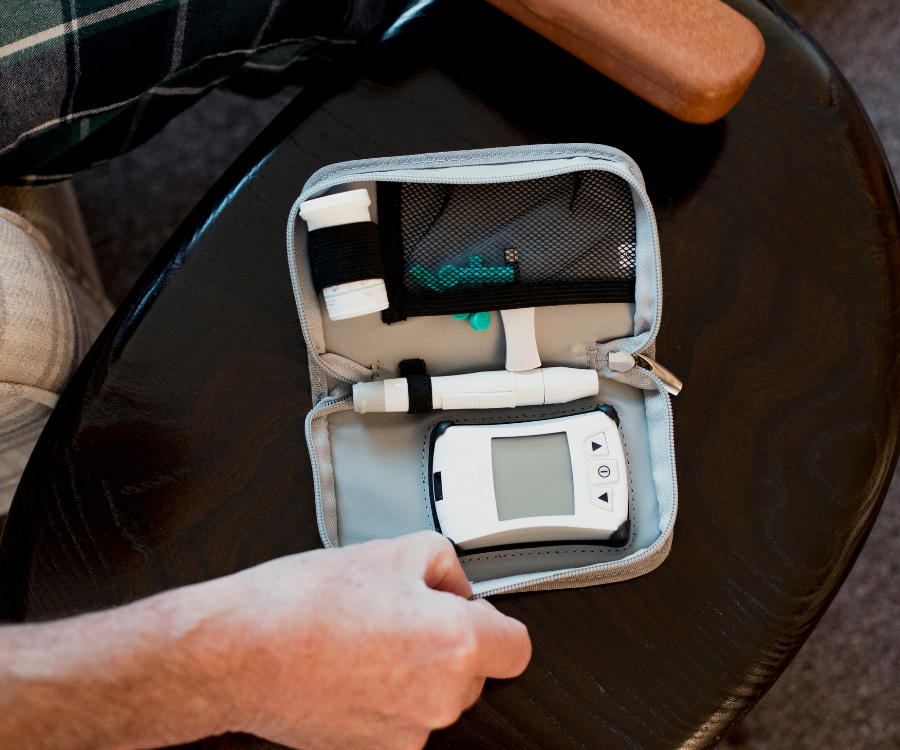
At-home blood testing kits allow individuals to collect a small blood sample, usually via a finger prick, and send it to a lab for analysis. These kits can test for a variety of health indicators, including:

  • Cholesterol levels
  • Vitamin deficiencies
  • Thyroid function
  • Hormone levels
  • Markers for certain diseases

The Pros of At-Home Blood Testing

  • Convenience: This is perhaps the biggest advantage. No more scheduling appointments, traveling to labs, or sitting in waiting rooms. You can conduct the test at your own pace and time.
  • Privacy: For those who feel uncomfortable discussing certain health concerns with a healthcare professional, at-home testing offers a discreet alternative.
  • Accessibility: At-home kits can be particularly beneficial for people living in rural areas or those with limited mobility, making healthcare more accessible.
  • Early Detection: By regularly monitoring your health markers, you can potentially detect issues early on, allowing for timely intervention and treatment.
  • Empowerment: These kits can empower individuals to take a more active role in managing their health and well-being.

The Cons of At-Home Blood Testing

  • Accuracy and Reliability: While most reputable kits undergo rigorous testing, there’s still a potential for errors in sample collection or processing, which can affect the accuracy of results.
  • Lack of Professional Guidance: One of the major drawbacks is the absence of a healthcare professional to interpret the results and provide appropriate guidance. This can lead to anxiety or misinterpretation of the data.
  • Follow-up Care: If the results indicate a potential health issue, it’s crucial to follow up with a healthcare professional for further evaluation and treatment. At-home kits should not replace regular check-ups.
  • Cost: While some kits may be affordable, others can be quite expensive, and may not be covered by insurance.
  • Regulation and Quality Control: The market for at-home testing kits is still relatively new, and regulations may vary. It’s important to choose reputable brands with certified labs to ensure quality and reliability.

Making an Informed Decision

At-home blood testing kits can be a valuable tool for monitoring your health, but it’s crucial to weigh the pros and cons before making a decision. Consider the following:

  • Choose reputable brands: Look for companies with certified labs and positive reviews.
  • Understand the limitations: At-home tests are not a substitute for regular check-ups with a healthcare professional.
  • Follow instructions carefully: Accurate sample collection is essential for reliable results.
  • Consult with your doctor: Discuss the results with your doctor for proper interpretation and guidance.

The Future of At-Home Blood Testing

As technology advances and regulations become more established, at-home blood testing is likely to become even more prevalent. With careful consideration and responsible use, these kits can play a significant role in promoting proactive health management and improving overall well-being.

Categories Uncategorized

How to Prepare for a Blood Test: Do’s and Don’ts

Getting your blood drawn can be a routine part of healthcare, but it’s important to be prepared to ensure accurate results and a smooth experience. Here’s a comprehensive guide on how to prepare for a blood test, covering the do’s and don’ts:

Do’s

  • Follow fasting instructions: Certain blood tests require fasting, which means abstaining from food and beverages (except water) for a specific period, usually 8-12 hours before the test. Fasting helps ensure accurate measurements of substances like glucose and cholesterol.
  • Stay hydrated: Drinking plenty of water in the days leading up to your test can make your veins more accessible and the blood draw easier.
  • Inform your healthcare provider: Disclose any medications, supplements, or herbal remedies you’re taking, as they may affect certain test results. Your provider may advise adjusting dosages or temporarily discontinuing some before the test.
  • Wear comfortable clothing: Opt for loose-fitting clothing that allows easy access to your arm for the blood draw.
  • Relax and breathe: If you’re anxious about needles, try relaxation techniques like deep breathing or visualization to ease your nerves.
  • Bring necessary documents: Carry your insurance card, identification, and any paperwork required by the lab or your healthcare provider.

Don’ts

  • Don’t consume certain substances: Avoid alcohol, caffeine, and sugary drinks before your test, as they can affect certain measurements.
  • Don’t smoke: Refrain from smoking for at least a few hours before the test, as it can affect certain blood components.
  • Don’t exercise vigorously: Avoid strenuous physical activity before the test, as it can temporarily alter some blood values.
  • Don’t take certain medications: Unless advised by your healthcare provider, don’t stop taking any prescribed medications before the test.
  • Don’t hesitate to ask questions: If you have any concerns or questions about the test or preparation, don’t hesitate to ask your healthcare provider or the lab technician.

Additional Tips

  • Schedule your test: If possible, schedule your blood test for the morning, as some blood components can vary throughout the day.
  • Inform the technician: If you have a history of fainting or feeling lightheaded during blood draws, inform the technician beforehand.
  • Apply pressure: After the blood draw, apply gentle pressure to the puncture site to prevent bleeding and bruising.
  • Follow post-test instructions: Your healthcare provider may provide specific instructions for post-test care or follow-up.

By following these do’s and don’ts, you can ensure a smooth and accurate blood test experience. Remember, preparation is key to getting reliable results and maintaining your health.