
Categories Uncategorized

Top 10 Most Common Blood Tests and What They Diagnose

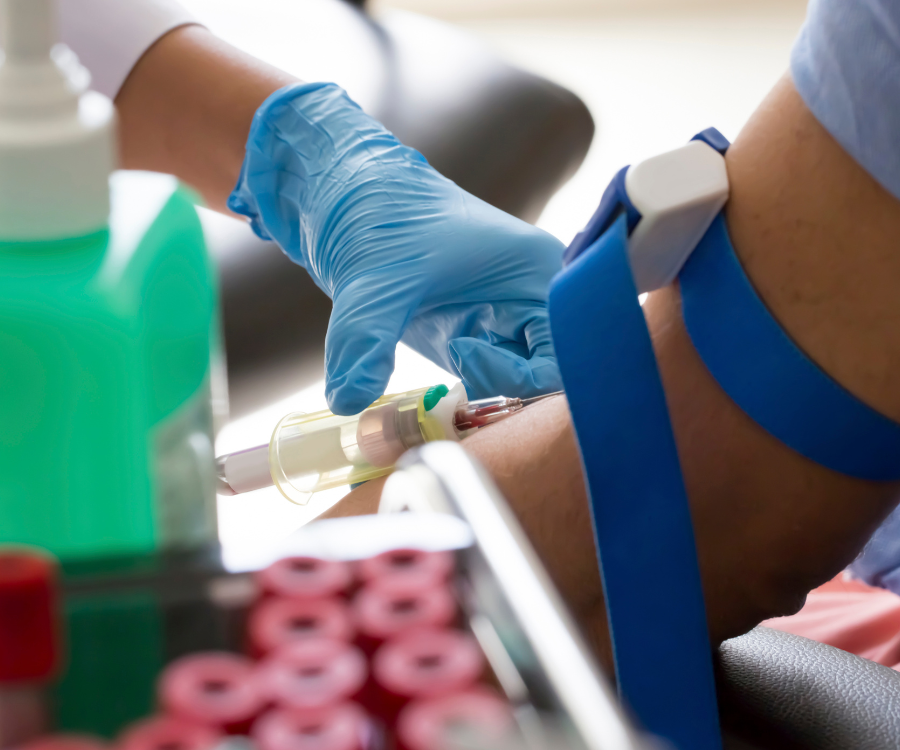
Blood tests are a cornerstone of modern medical diagnosis. A simple prick of a finger or a draw of blood from a vein can reveal a wealth of information about your overall health. Here are the top 10 most common blood tests and what they can diagnose:

1. Complete Blood Count (CBC)

  • What it measures: Red blood cells, white blood cells, platelets, and hemoglobin levels.
  • What it diagnoses: Anemia, infections, inflammation, blood clotting disorders, and certain types of cancer.

2. Basic Metabolic Panel (BMP)

  • What it measures: Glucose, electrolytes (sodium, potassium, chloride, and bicarbonate), and kidney function (BUN and creatinine).
  • What it diagnoses: Diabetes, dehydration, kidney disease, and electrolyte imbalances.

3. Comprehensive Metabolic Panel (CMP)

  • What it measures: Everything in a BMP, plus liver function tests (ALT, AST, and bilirubin).
  • What it diagnoses: Liver disease, in addition to conditions diagnosed by a BMP.

4. Lipid Panel

  • What it measures: Cholesterol (total, LDL, HDL), and triglycerides.
  • What it diagnoses: High cholesterol, which increases the risk of heart disease and stroke.

5. Thyroid-Stimulating Hormone (TSH)

  • What it measures: TSH levels, which regulate thyroid hormone production.
  • What it diagnoses: Thyroid disorders like hypothyroidism and hyperthyroidism.

6. C-Reactive Protein (CRP)

  • What it measures: CRP, a marker of inflammation.
  • What it diagnoses: Inflammation caused by infections, autoimmune diseases, or other conditions.

7. Liver Function Tests (LFTs)

  • What it measures: ALT, AST, and bilirubin levels.
  • What it diagnoses: Liver damage or disease, such as hepatitis or cirrhosis.

8. Kidney Function Tests

  • What it measures: BUN and creatinine levels.
  • What it diagnoses: Kidney damage or disease, such as chronic kidney disease.

9. Hemoglobin A1c (HbA1c)

  • What it measures: Average blood sugar levels over the past 2-3 months.
  • What it diagnoses: Diabetes and prediabetes.

10. Troponin

  • What it measures: Troponin, a protein released when the heart muscle is damaged.
  • What it diagnoses: Heart attack.

Remember, blood tests are just one tool for diagnosing health conditions. Your doctor will interpret your results in conjunction with your medical history and other factors. If you have any concerns about your health, be sure to talk to your doctor.


Categories Uncategorized

The Role of Blood Tests in Fertility Assessments

If you’re on a journey to parenthood and facing challenges, understanding the role of blood tests in fertility assessments can be a crucial step. These simple blood draws can provide valuable insights into your reproductive health, helping you and your healthcare provider identify potential issues and develop a personalized treatment plan.

Why Blood Tests Matter

Blood tests are an essential part of a comprehensive fertility evaluation for several reasons:

  • Hormone Assessment: Certain hormones play a pivotal role in the reproductive process. Blood tests can measure levels of hormones like follicle-stimulating hormone (FSH), luteinizing hormone (LH), estrogen, progesterone, and thyroid-stimulating hormone (TSH). Imbalances in these hormones can affect ovulation, egg quality, and overall fertility.
  • Ovarian Reserve Evaluation: Anti-Müllerian hormone (AMH) is a key indicator of ovarian reserve, or the number and quality of eggs remaining in your ovaries. An AMH blood test can provide valuable information about your fertility potential.
  • Infection Screening: Some infections, such as chlamydia and gonorrhea, can damage reproductive organs and impair fertility. Blood tests can screen for these infections.
  • Genetic Testing: In some cases, genetic testing may be recommended to identify underlying genetic conditions that could affect fertility.

What to Expect

A fertility specialist will typically order a series of blood tests to assess your reproductive health. These tests are usually simple and involve a blood draw from your arm. Results are typically available within a few days.

Interpreting Results

It’s important to remember that blood test results should be interpreted by a healthcare professional. They will consider your individual circumstances and medical history to determine the significance of your results.

Taking the Next Steps

If your blood tests reveal any abnormalities, your healthcare provider may recommend further testing or treatment. This could include medications to regulate hormone levels, lifestyle changes, or assisted reproductive technologies (ART) such as in vitro fertilization (IVF).

Remember, you’re not alone. Many couples face fertility challenges, and with the right information and support, you can increase your chances of building a family.

If you’re concerned about your fertility, don’t hesitate to consult with a fertility specialist. They can provide personalized guidance and support throughout your journey to parenthood

Categories Uncategorized

Feeling Stressed? Let’s Talk About Cortisol

Are you feeling overwhelmed and constantly on edge? You might be experiencing the effects of chronic stress. While stress is a normal part of life, prolonged exposure can have significant health consequences. One key indicator of stress is the level of cortisol, often referred to as the “stress hormone,” in your blood.

What is Cortisol?

Cortisol is a hormone produced by your adrenal glands in response to stress. It helps your body prepare for a “fight or flight” response, boosting energy levels, sharpening focus, and suppressing inflammation. However, when cortisol levels remain elevated for extended periods, it can lead to a host of health problems.

The Impact of High Cortisol Levels

Chronic stress and elevated cortisol levels can contribute to various health issues, including:

  • Weakened Immune System: High cortisol levels can impair your body’s ability to fight off infections.
  • Weight Gain: Cortisol can lead to increased appetite and fat storage, particularly around the midsection.
  • High Blood Pressure: Prolonged stress can contribute to hypertension.
  • Sleep Disturbances: Elevated cortisol levels can disrupt your sleep patterns, leading to insomnia or poor sleep quality.
  • Mental Health Issues: Chronic stress can increase the risk of anxiety, depression, and other mental health disorders.

Testing Your Cortisol Levels

If you suspect that stress may be affecting your health, consider getting your cortisol levels tested. A simple blood test can measure your cortisol levels at different times of the day. This can help your doctor assess whether your cortisol levels are within a healthy range.

Here’s how a cortisol test typically works:

  1. Blood Draw: Your doctor will draw blood samples at specific times, usually in the morning and evening.
  2. Laboratory Analysis: The blood samples are sent to a laboratory for analysis.
  3. Results Interpretation: Your doctor will review the results and discuss them with you.

Managing Stress and Cortisol Levels

If your cortisol levels are elevated, your doctor may recommend lifestyle changes and stress management techniques to help lower them. These may include:

  • Stress Reduction Techniques: Practice relaxation techniques like meditation, yoga, or deep breathing.
  • Regular Exercise: Physical activity can help reduce stress and improve overall health.
  • Healthy Diet: Eat a balanced diet rich in fruits, vegetables, and whole grains.
  • Adequate Sleep: Aim for 7-8 hours of quality sleep each night.
  • Limit Caffeine and Alcohol: Excessive intake of these substances can disrupt sleep and increase stress levels.

By understanding the impact of stress on your body and taking steps to manage it, you can improve your overall health and well-being.

[Include a relevant image, such as a person practicing yoga or meditating]

Would you like to add more information to this blog post, such as specific stress management techniques or additional health risks associated with high cortisol levels?

Categories Uncategorized

How Blood Tests Help Diagnose Infections

Blood tests are a valuable tool in the diagnosis of infections. They can help identify the type of infection, the cause, and even the stage of the illness. By examining the components of your blood, doctors can gain insights into your overall health and detect signs of an infection.

Types of Blood Tests for Infections

Several types of blood tests can be used to diagnose infections. These include:

  • Complete Blood Count (CBC): This test measures the number of red blood cells, white blood cells, and platelets in your blood. An elevated white blood cell count can be a sign of infection.  
  • C-reactive protein (CRP): CRP is a protein produced by the liver in response to inflammation. A high CRP level can indicate an infection or other inflammatory condition.
  • Erythrocyte sedimentation rate (ESR): This test measures how quickly red blood cells settle at the bottom of a test tube. A high ESR can be a sign of inflammation, including that caused by an infection.
  • Culture: A culture test involves taking a sample of blood and growing it in a laboratory to identify any bacteria or fungi that may be causing the infection.
  • Antibody tests: These tests look for antibodies in your blood, which are proteins produced by your immune system in response to an infection.

How Blood Tests Work

When you have an infection, your body’s immune system responds by producing white blood cells and other cells to fight off the invading pathogens. These changes can be detected through blood tests.

For example, if you have a bacterial infection, your body will produce more white blood cells to help fight the bacteria. A CBC test can reveal this increase in white blood cells. Additionally, the type of white blood cells may provide clues about the type of infection.

Antibody tests can help determine if you have been exposed to a particular infection in the past. If you have antibodies to a specific pathogen, it suggests that you have had the infection or have been vaccinated against it.

Importance of Blood Tests

Blood tests are essential for diagnosing infections because they can provide early warning signs and help guide treatment. By identifying the type of infection, doctors can prescribe the appropriate antibiotics or other medications. Early diagnosis and treatment can help prevent complications and improve your chances of a full recovery.

If you suspect you may have an infection, it’s important to see a doctor for evaluation and testing. Blood tests can be a valuable tool in diagnosing the condition and determining the best course of treatment.