
Categories Uncategorized

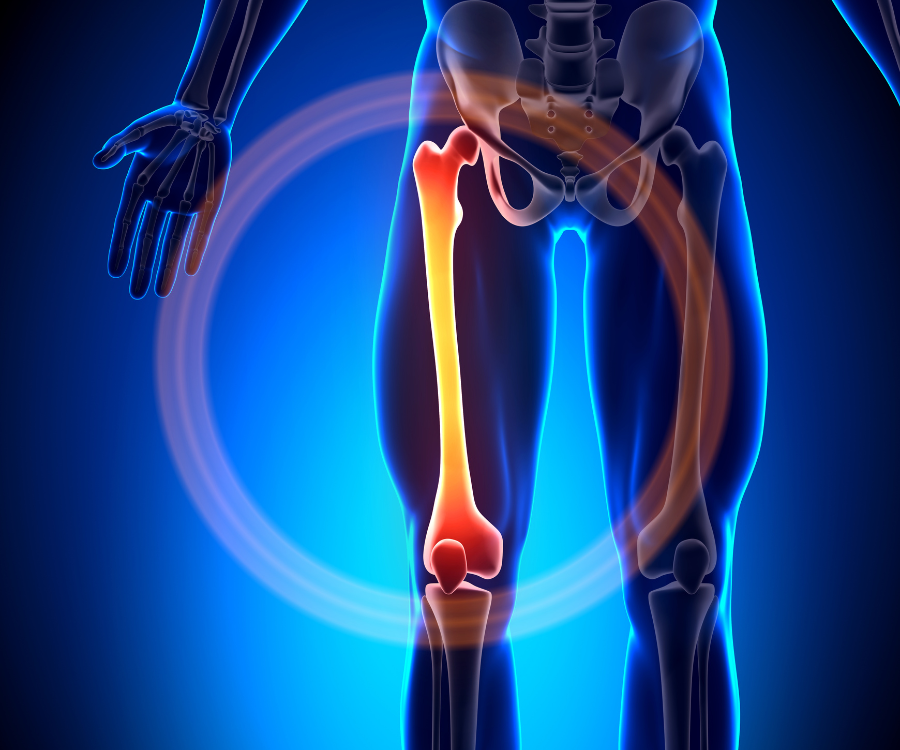
Blood Tests: A Window into Your Bone Health

Understanding the Link Between Calcium and Vitamin D

Have you ever wondered how your doctor can assess the health of your bones without peering inside? It turns out that a simple blood test can provide valuable insights into your skeletal health. Two key nutrients, calcium and vitamin D, play a pivotal role in bone strength and density.

Calcium: The Building Block of Bones

Calcium is a mineral essential for strong bones. It’s found in various foods like dairy products, leafy greens, and fortified cereals. When your body doesn’t have enough calcium, it may start to borrow it from your bones, leading to weakened and brittle structures.

Vitamin D: The Calcium Absorber

Vitamin D acts as a catalyst, helping your body absorb calcium from your diet. It’s produced naturally when your skin is exposed to sunlight, but many people also get it from fortified foods and supplements. A vitamin D deficiency can hinder calcium absorption, leading to bone problems.

How Blood Tests Reveal Bone Health

A blood test can measure the levels of calcium and vitamin D in your bloodstream. If your levels are low, it could indicate a potential risk for bone problems.

  • Low calcium levels might suggest a calcium deficiency or underlying conditions like kidney disease or parathyroid disorders.
  • Low vitamin D levels can be a sign of a deficiency, which can lead to poor calcium absorption.

Why Blood Tests Matter

Regular blood tests can help your doctor:

  • Identify potential bone health issues early.
  • Recommend appropriate treatment or lifestyle changes.
  • Monitor the effectiveness of any interventions.

Taking Care of Your Bones

To maintain healthy bones, consider these steps:

  • Eat a balanced diet rich in calcium and vitamin D.
  • Get regular sunlight exposure.
  • Engage in weight-bearing exercises.
  • Talk to your doctor about supplementation if needed.

By understanding the connection between blood tests, calcium, and vitamin D, you can take proactive steps to protect your bone health. Remember, early detection and intervention are key to preventing serious bone problems.


Categories Uncategorized

Secrets to Weight Loss: The Power of Blood Testing

Are you struggling to shed those stubborn pounds? Have you tried countless diets and exercise routines without seeing significant results? It’s time to consider a more personalized approach: blood testing.

Understanding Blood Testing for Weight Loss

Blood tests can offer valuable insights into your body’s unique metabolic processes, hormonal imbalances, and underlying health conditions that may be hindering your weight loss journey. By identifying these factors, you can tailor your approach to achieve optimal results.

Key Blood Tests for Weight Loss

  1. Hormone Panel: Hormonal imbalances can significantly impact weight management. A comprehensive hormone panel can assess levels of thyroid hormones (T3 and T4), insulin, cortisol, and sex hormones, all of which play a crucial role in metabolism and appetite regulation.
  2. Nutrient Deficiency Testing: Deficiencies in essential nutrients like vitamin B12, iron, and vitamin D can impair metabolic function and energy levels. Blood tests can help identify and address these deficiencies.
  3. Lipid Panel: This test measures cholesterol and triglyceride levels, which are important factors in heart health and weight management. High levels of LDL cholesterol and triglycerides can contribute to weight gain and increased risk of cardiovascular disease.
  4. Glucose Tolerance Test: This test assesses your body’s ability to process glucose, which is essential for energy production. It can help identify or rule out conditions like diabetes, which can significantly impact weight management.
  5. Inflammation Markers: Chronic inflammation has been linked to weight gain and difficulty losing weight. Blood tests can measure markers of inflammation, such as C-reactive protein (CRP), to assess your body’s inflammatory state.

Benefits of Blood Testing for Weight Loss

  • Personalized Approach: Blood tests provide a deeper understanding of your individual needs, allowing you to create a customized weight loss plan.
  • Identification of Underlying Issues: Blood testing can uncover hidden health conditions that may be contributing to weight gain.
  • Improved Results: By addressing the root causes of weight gain, you can achieve more sustainable and long-lasting results.
  • Enhanced Overall Health: Blood testing can help identify other health concerns, such as nutrient deficiencies or hormonal imbalances, that may be affecting your overall well-being.

Consulting with a Healthcare Professional

While blood testing can be a valuable tool for weight loss, it’s essential to consult with a healthcare professional to interpret the results and develop a personalized plan. They can provide guidance on lifestyle changes, dietary adjustments, and potential medical interventions if necessary.

Conclusion

Blood testing can offer valuable insights into your weight loss journey, providing a more targeted and effective approach. By understanding your body’s unique needs and addressing underlying issues, you can increase your chances of achieving sustainable weight loss and improved overall health.

Categories Uncategorized

Conquering Your Fear of Blood Tests

Fear of needles, or trypanophobia, is a common phobia. Many people experience anxiety or even panic when faced with the prospect of a blood test. However, these feelings can be managed and overcome.

Understanding Your Fear The first step to overcoming your fear is to understand its source. Is it the pain, the sight of blood, or the fear of the unknown? Identifying the specific triggers can help you develop strategies to address them.

Preparing for the Test

  • Research: Learn about the blood test procedure. Understanding what to expect can help reduce anxiety.
  • Inform Your Doctor: Share your fear with your healthcare provider. They can offer reassurance and tailor the procedure to your needs.
  • Deep Breathing Exercises: Practice deep breathing techniques before the test. This can help calm your nerves.
  • Distraction Techniques: Bring something to distract yourself, such as a book, magazine, or headphones with calming music.
  • Support System: Bring a friend or family member for emotional support.

During the Test

  • Communicate: Talk to the healthcare professional about your fear. They can offer reassurance and support.
  • Focus on Your Breathing: Keep your breathing steady and deep.
  • Look Away: If the sight of blood bothers you, look away.
  • Positive Affirmations: Repeat positive affirmations to yourself, such as “I can do this” or “I am strong.”

After the Test

  • Reward Yourself: Celebrate your accomplishment with a small treat.
  • Practice Self-Care: Engage in activities that help you relax and de-stress.

Seeking Additional Support If your fear of blood tests significantly impacts your life, consider seeking professional help. A therapist can teach you coping strategies and help you overcome your phobia.

Categories Uncategorized

DNA Paternity Testing: Unraveling the Mystery

DNA paternity testing has become a cornerstone in determining biological relationships. This scientific process offers definitive answers to questions about parentage, bringing clarity and peace of mind to many.

How Does DNA Paternity Testing Work?

DNA, the unique blueprint of life, is inherited from both parents. A paternity test compares the DNA profiles of a child and an alleged father. By analyzing specific genetic markers, experts can determine with a high degree of accuracy whether the alleged father is the biological parent.

The process typically involves collecting DNA samples, usually through a simple cheek swab. These samples are then analyzed in a laboratory, where sophisticated technology compares the DNA profiles.

Reasons for Paternity Testing

There are various reasons why someone might consider a paternity test:

  • Legal Purposes: Establishing paternity can be crucial for child support, custody arrangements, and inheritance rights.
  • Personal Peace of Mind: Some individuals seek paternity testing to confirm or dispel doubts about their biological father.
  • Immigration: In certain cases, proving a biological relationship through DNA testing is required for immigration purposes.

The Accuracy of DNA Paternity Testing

Modern DNA paternity testing is exceptionally accurate. When conducted by a reputable laboratory, the results are typically considered conclusive. A negative result definitively excludes the alleged father, while a positive result establishes paternity with a high probability.

Ethical Considerations

While DNA paternity testing provides valuable information, it’s essential to approach the process with sensitivity and ethical considerations. Open communication and careful consideration of the potential emotional impact are crucial, especially when involving children.

Choosing a Paternity Testing Service

Selecting a reputable laboratory is essential for accurate and reliable results. Look for accredited facilities with experienced professionals. It’s also advisable to research the services offered, including turnaround times and the cost of the test.

Remember: DNA paternity testing is a powerful tool, and the results can have significant implications. It’s often recommended to seek legal or genetic counseling before proceeding.