Categories Uncategorized

the Mysteries of Rare Diseases with Pathology

Imagine a hidden world of medical puzzles – diseases so uncommon, their symptoms a confusing labyrinth for doctors. This is the reality of rare diseases, affecting millions globally. But within this challenge lies a powerful tool: pathology. Let’s delve into the intricate world of rare diseases and explore how pathology sheds light on diagnosis and management.

The Baffling Labyrinth of Rare Diseases

Unlike common illnesses, rare diseases often present with a confusing array of symptoms. A chronic cough could be allergies, asthma, or something entirely different. This ambiguity makes diagnosis a frustrating odyssey for both patients and doctors.

The Illuminating Power of Pathology

This is where pathology steps in, acting as a medical detective. Pathologists examine tissues and cells under microscopes, searching for microscopic clues. They run specialized tests to identify abnormal proteins, genetic mutations, or unique patterns that might point towards a specific rare disease.

Challenges in the Rare Disease Landscape

However, diagnosing rare diseases through pathology has its hurdles.

  • Limited Knowledge Base: Due to the rarity, there might be limited information about the disease’s specific pathology. This makes identifying the culprit a challenge.
  • Finding the Right Test: Not all pathology tests are created equal. Choosing the most appropriate test for a suspected rare disease requires a deep understanding of the potential culprits and access to specialized techniques.
  • The Importance of Collaboration: Rare disease diagnosis often benefits from a collaborative approach. Pathologists work closely with geneticists, clinicians, and researchers to piece together the puzzle.

Navigating the Path to Better Management

Despite the challenges, pathology plays a crucial role in managing rare diseases. By identifying the specific cause, doctors can tailor treatment plans and monitor the disease’s course. This personalized approach can significantly improve a patient’s quality of life.

The Beacon of Hope: Advancing Research

Pathology also plays a vital role in advancing research on rare diseases. Tissue and cell samples from diagnosed cases become invaluable resources for researchers. By studying these samples, scientists can unlock the mysteries of the disease, leading to the development of better diagnostic tools and potential treatments.

Shining a Light on Rare Diseases

Rare diseases may be complex, but pathology offers a powerful tool for unraveling their mysteries. Through continued research and collaboration, pathologists are paving the way for a brighter future for patients with these challenging conditions.

Categories Uncategorized

Why Fast before blood test

Fasting for Blood Tests: Why You Skip Breakfast Sometimes

Ever wondered why some blood tests require you to fast beforehand, while others you can waltz in after a donut (or three)? It all boils down to getting the most accurate picture of what’s going on inside your body.

Think of your bloodstream as a highway. After you eat, nutrients from your food hitch a ride in your blood. This can temporarily alter the levels of certain substances the tests measure. For instance, a breakfast burrito might send your blood sugar levels soaring. If you were fasting for a blood sugar test, that wouldn’t be a true reflection of your baseline.

So, which tests require a pre-dawn ditching of coffee and toast? Here are the usual suspects:

  • Blood Sugar Tests: These are crucial for diagnosing diabetes and monitoring blood sugar control. Food throws off the results, so an empty stomach is key.
  • Lipid Panels: This checks your cholesterol levels, including the good (HDL), bad (LDL), and triglycerides. Since fat from food can affect these levels, fasting helps ensure a clear picture.
  • Liver Function Tests: These assess your liver’s health. While some tests might be okay with a light breakfast, others benefit from a fasted state for optimal accuracy.

Now, the good news: not all blood tests require fasting. Tests looking at things like blood cell counts or thyroid function are usually happy with a fueled you.

Here’s a tip: When you get scheduled for a blood test, always ask your doctor or the lab about fasting instructions. They’ll let you know exactly what to do to ensure your test results are on point. By following these guidelines, you’re helping your doctor get the clearest picture of your health and make the best decisions for your well-being.

Categories Uncategorized

The Dangers of Chemical Exposure and the Importance of Blood Tests

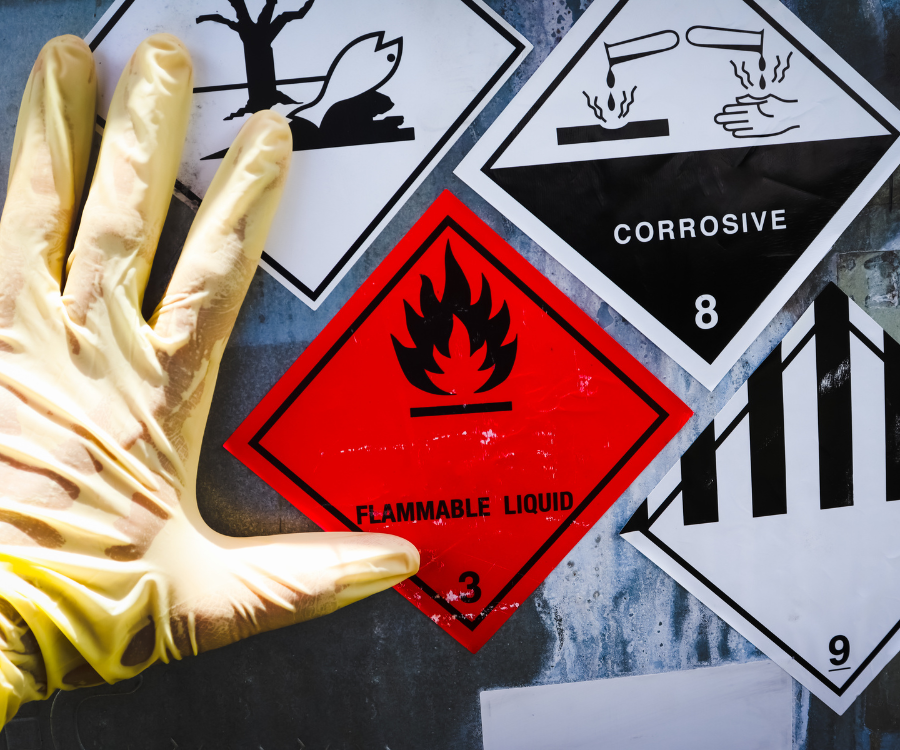
Working in the mining sector presents numerous occupational hazards, with chemical exposure being a significant concern for workers. From harmful substances released during extraction processes to the risk of toxic fumes in confined spaces, miners face potential health risks on a daily basis. In this blog post, we’ll explore the dangers of chemical exposure in the mining industry and highlight the importance of regular blood tests for mine workers to safeguard their health and well-being.

Understanding Chemical Exposure in Mining: Chemical exposure in mining can occur through various pathways, including inhalation of airborne particles, skin contact with hazardous substances, and ingestion of contaminated food or water. Common chemicals encountered in mining operations include heavy metals like lead, mercury, and arsenic, as well as toxic gases such as sulfur dioxide and hydrogen sulfide. Prolonged or repeated exposure to these chemicals can have serious health consequences, ranging from respiratory problems and neurological disorders to cancer and reproductive issues.

The Importance of Blood Tests for Mine Workers: Given the potential risks associated with chemical exposure, regular monitoring of miners’ health is essential for early detection and prevention of occupational illnesses. Blood tests serve as valuable diagnostic tools for assessing the levels of toxic substances in the body and detecting any adverse health effects. By analyzing blood samples, healthcare professionals can identify elevated levels of heavy metals or other contaminants, allowing for timely intervention and mitigation measures to protect workers’ health.

Benefits of Blood Testing for Mine Workers:

  1. Early Detection of Health Issues: Blood tests can detect elevated levels of toxic substances in the body before symptoms of illness manifest, enabling early intervention and treatment.
  2. Monitoring Exposure Levels: Regular blood testing allows for ongoing monitoring of miners’ exposure to hazardous chemicals, helping to identify trends and patterns over time.
  3. Tailored Health Interventions: By identifying individual workers with elevated exposure levels, targeted interventions such as personal protective equipment (PPE) upgrades or job reassignments can be implemented to reduce risks.
  4. Compliance with Regulations: Many regulatory agencies require employers in the mining industry to conduct health monitoring, including blood testing, to ensure compliance with safety standards and protect workers’ health.

Conclusion: Chemical exposure poses significant risks to mine workers’ health, highlighting the importance of proactive measures to mitigate these hazards. Regular blood testing plays a crucial role in identifying and monitoring occupational exposures, allowing for early intervention and protection of workers’ health. By prioritizing health monitoring and implementing preventive measures, mining companies can create safer work environments and support the well-being of their employees.

Categories Uncategorized

Why Regular Blood Tests are Crucial for Seafarers

Life at sea is a unique adventure, filled with breathtaking views and exotic destinations. But beyond the romance lies a demanding profession with specific health considerations. One crucial aspect of staying healthy onboard is regular blood testing for seafarers. Let’s explore why these tests are essential for those who work on ships.

A Remote Workplace with Unique Challenges

Unlike land-based jobs, seafarers operate in a remote environment. Access to advanced medical facilities can be limited, especially on long voyages. Early detection of potential health issues becomes even more critical in such circumstances.

Blood Tests: A Window into Overall Health

Regular blood tests offer a valuable window into a seafarer’s overall health. They can detect a variety of potential issues, including:

  • Nutritional Deficiencies: Long stretches at sea can make it challenging to maintain a balanced diet. Blood tests can identify deficiencies in vital nutrients like iron or vitamin D, allowing for timely adjustments to diet or supplementation.
  • Infectious Diseases: Close quarters onboard and frequent port calls can increase the risk of exposure to infectious diseases. Blood tests can screen for conditions like hepatitis or malaria, enabling early intervention and preventing outbreaks.
  • Chronic Conditions: Seafaring can be physically demanding, and some crew members may be at risk for chronic health issues like diabetes or high blood pressure. Regular blood tests allow for monitoring these conditions and adjusting treatment plans as needed.
  • Fitness for Duty: Certain blood tests can assess a seafarer’s fitness for specific tasks. For instance, some roles require good vision, and blood tests can check for underlying conditions that might affect eyesight.

Early Detection for Better Outcomes

Early detection is key to effective treatment and management of health issues. Regular blood tests onboard ships allow for proactive healthcare. By identifying potential problems early, medical professionals can:

  • Implement preventative measures to stop minor issues from escalating.
  • Initiate timely treatment, improving the chances of a full recovery.
  • Minimize the risk of complications and long-term health problems.

Maintaining a Healthy Crew for a Safe Voyage

Regular blood tests play a vital role in ensuring the health and well-being of seafarers. A healthy crew is not only essential for individual well-being but also contributes to the safe and efficient operation of the ship. By prioritizing regular blood testing, shipping companies can create a healthier work environment for their crew, promoting overall well-being and a successful voyage for everyone onboard.