Categories Uncategorized

Lipogram Test: Cholesterol Levels and Heart Health

The Cholesterol Lipogram Test: A Word Game for a Healthy Heart

In the vast world of wellness, we often talk about cholesterol and heart health—but what if we told you there’s a fun, little-known literary challenge that highlights just how vital this topic is? It’s a concept inspired by the ancient writing constraint known as a lipogram.

In writing, a lipogram is a work where the author avoids using a specific letter. Think of a full novel written without the letter ‘e’! It forces the writer to think creatively, use synonyms, and find new ways to communicate a crucial idea.

Now, imagine applying this “lipogram test” to your life: what if you had to eliminate the lifestyle habits that are the “forbidden letters” to your heart’s well-being?

It’s time to play this metaphorical game for a real-world win: a happy, strong cardiovascular system.


What is Cholesterol, Anyway? (No Forbidden Letters Here)

Before we start, a quick recap. Cholesterol is a waxy, fat-like substance found in all your body’s cells. Your body needs it to build healthy cells, but too much can pose a risk.

We look at two main types:

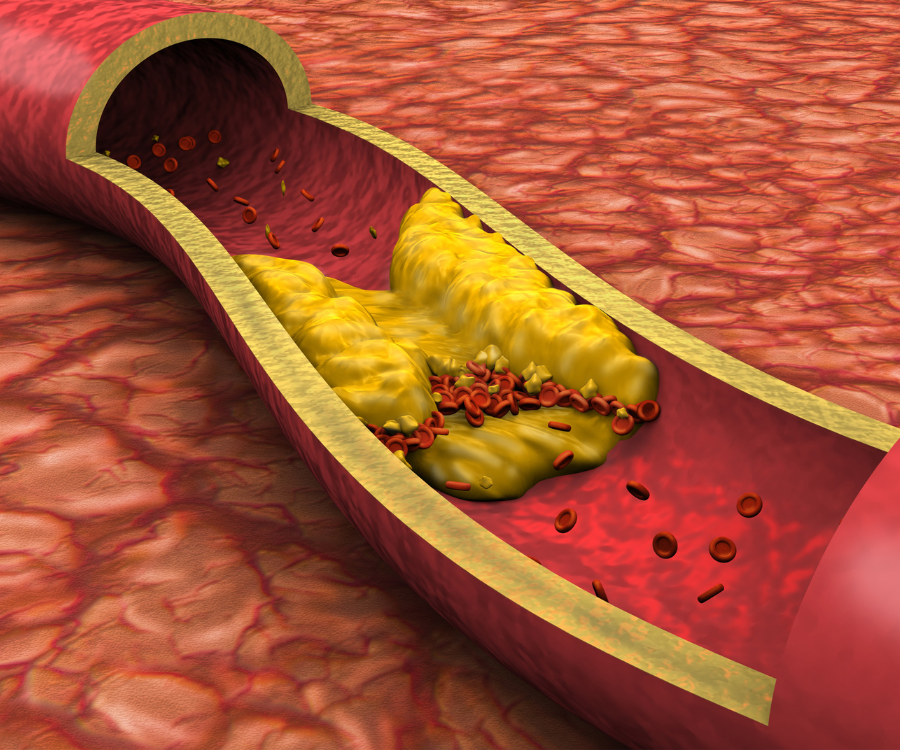
  • LDL (Low-Density Lipoprotein): This is the “Bad” cholesterol. High LDL levels contribute to fatty build-ups, or plaque, in your arteries, narrowing them and increasing the risk of a heart attack or stroke.
  • HDL (High-Density Lipoprotein): This is the “Good” cholesterol. HDL acts as a scavenger, carrying excess cholesterol back to the liver for disposal. A high HDL level is a plus for your heart health.

Your goal in the Lipogram Test of Life? Boost your HDL and limit your LDL.


🚫 The Lipogram Test: What to Avoid (The “Forbidden Letters”)

If heart health were a novel, certain habits would be the “forbidden letters” we strive to omit. These habits are significant risk factors that can be controlled with conscious effort.

Categories Uncategorized

What Your Blood Can Reveal: 10 Hidden Signs of Health Problems

What Your Blood Can Reveal: 10 Hidden Signs of Health Problems

A simple blood test is one of the most powerful diagnostic tools in medicine. It’s not just a collection of numbers; it’s a dynamic snapshot of your internal health, offering vital clues about everything from your diet to hidden infections.

If you’ve ever wondered what those lines on your lab report actually mean, you’re in the right place. We’re diving into the details your blood can reveal, highlighting ten hidden blood health indicators that could signal an underlying issue.


🔬 Beyond the Basics: Understanding Your Blood Health

Most routine check-ups include a Complete Blood Count (CBC) and a Comprehensive Metabolic Panel (CMP). These tests look at dozens of markers, and while some variations are normal, others are red flags.

Here are ten key areas your doctor reviews, and what subtle shifts might be telling them:

1. The Low Hemoglobin Clue: Anemia and Iron Deficiency

  • What it is: Hemoglobin is the protein in your red blood cells that carries oxygen.
  • The Hidden Sign: If your hemoglobin and ferritin levels are consistently low, it points to anemia, often caused by an iron deficiency.
  • The Health Problem: This can lead to persistent fatigue, weakness, pale skin, and even difficulty concentrating. In some cases, it can indicate internal bleeding (like from an ulcer) or poor nutrient absorption.

2. High White Blood Cell Count (WBC): The Immune System’s Battle

  • What it is: WBCs are your immune system’s soldiers, fighting infection and disease.
  • The Hidden Sign: A significant, sustained spike in your WBC count (known as leukocytosis).
  • The Health Problem: While often a simple reaction to a common infection (like a bad cold), a very high or continuously rising count without a clear reason can sometimes signal chronic inflammation, an autoimmune disorder, or, rarely, a blood cancer like leukemia.

3. Elevated Blood Glucose: The Pre-Diabetes Warning

  • What it is: The level of sugar (glucose) in your bloodstream.
  • The Hidden Sign: A fasting blood glucose reading above 100 mg/dL (or a high HbA1c value).
  • The Health Problem: This is often the first and most critical sign of pre-diabetes or Type 2 diabetes. High blood sugar is toxic to nerves and vessels, leading to serious long-term complications if not managed.

4. High LDL (“Bad”) Cholesterol: The Silent Heart Risk

  • What it is: Low-Density Lipoprotein (LDL) is the cholesterol responsible for building up plaques in your arteries.
  • The Hidden Sign: A high LDL reading, especially when combined with low HDL (“good”) cholesterol.
  • The Health Problem: High LDL is the primary driver of cardiovascular disease. It increases your risk of a heart attack or stroke by causing atherosclerosis (hardening of the arteries).

5. High Creatinine/BUN: Stress on the Kidneys

  • What it is: Creatinine and BUN (Blood Urea Nitrogen) are waste products filtered out by your kidneys.
  • The Hidden Sign: Abnormally high levels of either or both.
  • The Health Problem: This is a major indicator of kidney function impairment. Your kidneys may not be filtering waste effectively, which could signal dehydration, kidney disease, or, in severe cases, kidney failure.

6. Abnormal Platelet Count: Clotting Concerns

  • What it is: Platelets are tiny cells that help your blood clot to stop bleeding.
  • The Hidden Sign: A count that is either too high or too low.
  • The Health Problem:
    • Low Count (Thrombocytopenia): Can lead to excessive bleeding and bruising.
    • High Count (Thrombocytosis): Can increase the risk of dangerous, spontaneous blood clots, which can cause a stroke or heart attack.

7. Elevated Liver Enzymes (ALT/AST): Liver Distress

  • What it is: Alanine Aminotransferase (ALT) and Aspartate Aminotransferase (AST) are enzymes that leak into the bloodstream when the liver is damaged.
  • The Hidden Sign: Significantly high levels of these enzymes in your CMP.
  • The Health Problem: This can be a sign of liver disease, potentially caused by excessive alcohol consumption, certain medications, a viral infection (hepatitis), or Non-Alcoholic Fatty Liver Disease (NAFLD).

8. High C-Reactive Protein (CRP): Widespread Inflammation

  • What it is: CRP is a protein produced by your liver in response to inflammation.
  • The Hidden Sign: Elevated levels in the high-sensitivity CRP (hs-CRP) test.
  • The Health Problem: A high CRP confirms there is inflammation somewhere in the body. While it doesn’t pinpoint the cause, it is a strong, independent predictor of heart disease and is often high in people with chronic inflammatory conditions like rheumatoid arthritis.

9. High TSH Levels: Thyroid Imbalance

  • What it is: Thyroid-Stimulating Hormone (TSH), which is secreted by the pituitary gland to regulate your thyroid.
  • The Hidden Sign: A high TSH value with low T4/T3 (the actual thyroid hormones).
  • The Health Problem: This is the classic signature of hypothyroidism (underactive thyroid). Symptoms can include weight gain, chronic fatigue, dry skin, and feeling cold all the time.

10. Low Vitamin D: The Bone and Immune Deficiency

  • What it is: Vitamin D is crucial for bone health, calcium absorption, and immune system function.
  • The Hidden Sign: A 25-hydroxyvitamin D level below the optimal range.
  • The Health Problem: A Vitamin D deficiency is extremely common and is linked to weakened bones (osteoporosis), muscle pain, and possibly a weakened immune response, making you more susceptible to illness.

👩‍⚕️ The Takeaway on Blood Health

While this list might seem overwhelming, the key takeaway is simple: routine blood work is your window into preventative care.

Never hesitate to ask your doctor to explain your lab results. Understanding these numbers empowers you to make targeted lifestyle changes—whether that means adjusting your diet, starting a supplement, or seeking further screening—before a potential issue becomes a serious health problem.

Categories Uncategorized

Key blood tests for growing children

A Parent’s Guide to Growth: Key Blood Tests for Your Child’s Health

As your child grows from a busy toddler to a school-aged dynamo, their body undergoes incredible changes. We focus on healthy food, good sleep, and plenty of activity—but sometimes, the best insights into their well-being come from a tiny blood sample.

Blood tests are a vital tool for pediatricians, offering a window into internal systems and helping to catch potential issues like nutritional deficiencies or underlying conditions long before symptoms become severe. For parents looking to be proactive about their child’s health, knowing the key blood tests for growing children is a great first step.

Here is a simple, human-style guide to the most common and important blood screenings your pediatrician may recommend.


1. The Complete Blood Count (CBC): The Foundation

The CBC is perhaps the most fundamental blood test. It provides a detailed snapshot of the cells circulating in your child’s blood: red blood cells (RBCs), white blood cells (WBCs), and platelets.

  • What it checks:
    • Red Blood Cells (RBCs) & Hemoglobin: Measures the cells that carry oxygen throughout the body. Low levels, especially of hemoglobin, often indicate anemia.
    • White Blood Cells (WBCs): Measures the cells that fight infection. A high count can signal an infection or inflammation, while a low count might suggest an immune issue.
    • Platelets: Measures the cells responsible for blood clotting.
  • Why it’s key for children: Iron Deficiency Anemia is the single most common nutritional deficiency in children worldwide. Low iron can lead to fatigue, poor concentration, pale skin, and impact a child’s cognitive development and school performance. The CBC, along with an iron panel (Ferritin), helps diagnose and track this essential issue.

2. Vitamin D Level: The Sunshine Essential

Even with plenty of outdoor play, Vitamin D deficiency is surprisingly common in children. This vitamin is critical for bone development and a robust immune system.

  • What it checks: Measures the amount of 25-hydroxyvitamin D in the blood.
  • Why it’s key for children: Vitamin D is necessary for the body to absorb calcium, the building block for strong bones. Deficiency can lead to softening of the bones (rickets in severe cases), muscle weakness, and a higher susceptibility to infections. Because many children spend more time indoors or use sunscreen (which blocks Vitamin D synthesis), routine screening can ensure they are properly supplemented.

3. Lipid Panel (Cholesterol Screening): Heart Health Starts Early

While you might associate high cholesterol with adults, pediatricians often recommend a lipid panel screening for children, particularly in specific age ranges or if there are risk factors.

  • What it checks: Measures Total Cholesterol, LDL (bad cholesterol), HDL (good cholesterol), and Triglycerides.
  • Why it’s key for children: A family history of high cholesterol or early heart disease, or a child who has certain risk factors like obesity or diabetes, may prompt this test. Screening can identify genetic predispositions or lifestyle issues that, when addressed early, can drastically reduce the risk of heart disease later in life. The American Academy of Pediatrics (AAP) often recommends universal screening between the ages of 9 and 11 years and again between 17 and 21 years.

4. Thyroid-Stimulating Hormone (TSH): The Growth Regulator

The thyroid gland produces hormones that control metabolism, growth, and development. Checking TSH is a simple way to screen for thyroid function.

  • What it checks: Measures the level of TSH, the pituitary hormone that tells the thyroid gland how much T3 and T4 to produce.
  • Why it’s key for children: Undiagnosed thyroid issues (like hypothyroidism or hyperthyroidism) can impact a child’s growth rate, energy levels, and overall metabolism. Routine screening is especially important if a child is experiencing unexplained growth delays, significant weight changes, or persistent fatigue.

5. Blood Glucose (Blood Sugar) & HbA1c: Monitoring Metabolism

This test is often included if a child shows signs of metabolic concern, such as excessive weight or specific symptoms.

  • What it checks:
    • Blood Glucose: Measures the sugar level in the blood at that moment.
    • HbA1c: Provides an average of blood sugar control over the past two to three months.
  • Why it’s key for children: This test is essential for screening for or managing Type 1 or Type 2 Diabetes, conditions where the body struggles to process sugar effectively. Early detection of high blood sugar is crucial for starting treatment and preventing long-term complications.

📝 A Final Word on Blood Tests

It’s important to remember that these tests are generally simple procedures. Your pediatrician will only order blood work they deem necessary based on your child’s medical history, physical exam, and specific risk factors.

Talk to your doctor! If you have concerns about your child’s energy, diet, or development, a conversation with your pediatrician about these screening options is always a smart move. They will help you understand if a specific blood test is appropriate for your child’s age and health status.
Categories Uncategorized

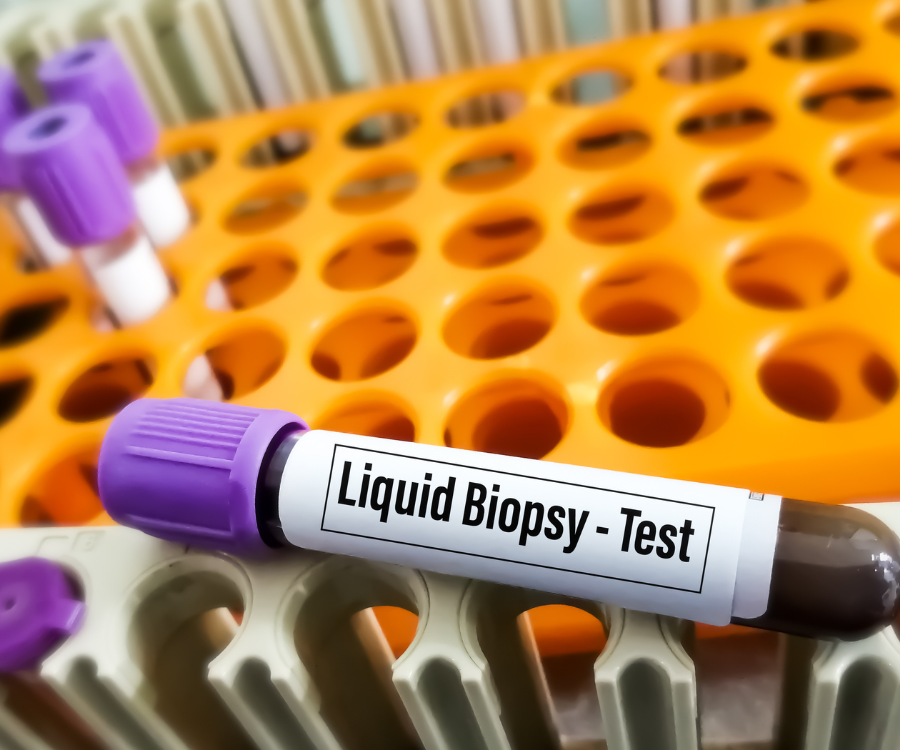
Liquid Biopsy: The Future of Early Cancer Detection Through a Simple Blood Draw

The world of cancer diagnostics is on the brink of a revolution, moving from invasive surgical procedures to a simple blood test. This game-changing innovation is the Liquid Biopsy, a powerful tool poised to transform early cancer detection, monitoring, and personalized treatment. Imagine finding cancer before symptoms even appear—all from a routine blood draw. That future is rapidly becoming today’s reality.


What Exactly is a Liquid Biopsy?

A liquid biopsy is a non-invasive blood test that detects evidence of cancer by analyzing materials that tumors shed into the bloodstream. Unlike a traditional tissue biopsy, which involves surgically removing a piece of the tumor, the liquid biopsy focuses on analyzing biomarkers such as:

  • Circulating Tumor DNA (ctDNA): Fragments of DNA released by dying or damaged cancer cells. These fragments carry the same specific genetic mutations as the tumor itself.
  • Circulating Tumor Cells (CTCs): Whole cancer cells that have detached from the main tumor and are traveling through the bloodstream.
  • Exosomes: Tiny vesicles released by tumor cells that contain proteins and genetic material (RNA, DNA) reflecting the tumor’s current state.

By detecting and analyzing these microscopic clues, doctors can gain valuable, real-time insights into a patient’s cancer without the risks and discomfort of surgery.

The Promise of Early Cancer Detection 🌟

The most exciting potential of the liquid biopsy lies in early cancer screening. For most cancers, survival rates drastically improve when the disease is caught at an early, localized stage. The goal is to detect cancer long before symptoms prompt a diagnosis.

The “Holy Grail” of Cancer Screening

New multi-cancer early detection (MCED) liquid biopsy tests are currently being researched and rolled out. These tests are designed to screen for dozens of cancer types—including lung, ovarian, and pancreatic cancer—from a single blood sample. By identifying minute traces of ctDNA in healthy, high-risk individuals, these tests could one day become part of routine preventative care, similar to how cholesterol is currently tested.

Personalized and Adaptive Treatment

Beyond screening, liquid biopsies are pivotal in precision oncology:

  1. Guiding Treatment: By identifying specific genetic mutations (like EGFR in lung cancer or BRCA in breast cancer), doctors can match patients to the most effective targeted therapies or immunotherapies.
  2. Monitoring Drug Resistance: Tumors can evolve and develop new mutations that make them resistant to treatment. A liquid biopsy can detect resistance early, allowing the doctor to switch treatments before the disease progresses significantly.
  3. Minimal Residual Disease (MRD): After a tumor is removed or treated, a liquid biopsy can check for tiny remaining cancer cells. Detecting MRD helps doctors decide if further aggressive treatment is needed or if a patient can safely enter surveillance.

Looking Ahead: The Future is Fluid

While the liquid biopsy is already FDA-approved for specific applications in late-stage cancer, the technology continues to advance rapidly. Researchers are constantly improving the sensitivity of the tests to find the minuscule amount of circulating tumor DNA shed by early-stage cancers.

Integrating liquid biopsy data with Artificial Intelligence (AI) and other clinical data will further enhance accuracy and specificity. The long-term vision is a future where annual cancer blood tests replace many of the more burdensome and invasive current screening methods, making cancer a more manageable disease through timely, personalized treatment and early detection.

The simple blood draw is transforming into a sophisticated diagnostic powerhouse, heralding a new era of proactive and patient-friendly cancer care.