

Categories Uncategorized

Blood Tests for Men’s and Women’s Hormone Health

Understanding Your Hormone Health: A Guide to Blood Tests

Hormones are the body’s chemical messengers, regulating everything from your metabolism and mood to your reproductive cycles and sleep. When these crucial messengers are out of balance, they can cause a wide range of symptoms that impact your daily life. The good news is that for both men and women, a simple blood test can provide a clear picture of your hormonal health.

What Are Hormone Blood Tests?

A hormone blood test, often called a hormone panel, measures the levels of specific hormones in your bloodstream. These tests are essential for diagnosing potential imbalances and can help your healthcare provider pinpoint the root cause of various symptoms.

Here’s a look at the key hormones often checked for men and women.

Hormone Blood Tests for Men

For men, a primary concern is often testosterone, but a comprehensive check can include other hormones as well.

Key Hormones Tested:

  • Testosterone: This is the most common hormone tested in men. It’s vital for maintaining muscle mass, bone density, energy levels, and sex drive. A test can measure total testosterone (both free and bound) or free testosterone, which can be more useful for diagnosing certain conditions.
  • Luteinizing Hormone (LH): Produced by the pituitary gland, LH stimulates the testicles to produce testosterone. Checking LH levels can help determine if low testosterone is caused by an issue with the testicles or the pituitary gland.
  • Follicle-Stimulating Hormone (FSH): FSH also plays a role in male reproductive health, stimulating sperm production.
  • Cortisol: Known as the “stress hormone,” cortisol levels can be affected by chronic stress and impact everything from your immune system to your weight.
  • Thyroid Hormones (T3, T4, and TSH): Thyroid imbalances, while more common in women, can also affect men and lead to symptoms like fatigue, weight changes, and depression.
  • Prolactin: Elevated prolactin levels can be a sign of a pituitary gland tumor and can lead to low testosterone.

Symptoms That May Warrant a Test: If you’re experiencing symptoms like low libido, erectile dysfunction, fatigue, a loss of muscle mass, or mood swings, a hormone test can provide valuable insights. It’s important to note that these symptoms can also be linked to lifestyle factors like stress, poor diet, and lack of exercise, but a blood test is the only way to confirm a hormonal imbalance.

Hormone Blood Tests for Women

Women experience natural hormone fluctuations throughout their lives, but certain symptoms can indicate a deeper imbalance that requires attention.

Key Hormones Tested:

  • Estrogen and Progesterone: These are the primary female hormones that regulate the menstrual cycle, fertility, and pregnancy. Estrogen levels can also impact bone health, mood, and sleep.
  • Follicle-Stimulating Hormone (FSH) and Luteinizing Hormone (LH): These hormones are crucial for ovarian function and ovulation. They are often tested to evaluate fertility, diagnose issues with the menstrual cycle, and confirm the start of perimenopause or menopause.
  • Testosterone: While a male hormone, women also produce small amounts of testosterone. An imbalance can lead to symptoms like acne, hair growth on the face or body, and a low sex drive.
  • Thyroid Hormones (T3, T4, and TSH): Thyroid disorders are more prevalent in women and can cause symptoms such as fatigue, weight gain, and mood swings.
  • Prolactin: Elevated prolactin levels in non-pregnant women can disrupt the menstrual cycle and lead to infertility.
  • Cortisol: A cortisol test can help identify if stress is contributing to symptoms like fatigue, sleep problems, or unexplained weight gain.

Symptoms That May Warrant a Test: You might consider a hormone test if you’re experiencing irregular or heavy periods, unexplained weight changes, chronic fatigue, hot flashes, or difficulty conceiving. Other signs can include mood swings, hair loss, or changes in your skin.

The Testing Process

Getting a hormone blood test is a quick and straightforward process. A healthcare professional, typically a phlebotomist, will draw a small sample of blood from a vein in your arm. The procedure usually takes less than five minutes.

Preparation and Results:

  • Some tests, such as those for testosterone or cortisol, may require you to have the blood draw in the morning, as hormone levels can fluctuate throughout the day. Your doctor may also ask you to fast for a certain period before the test.
  • Results are usually available within a few business days. The report will list the hormone levels, the normal reference range for your age and sex, and an indication of whether your levels are high, low, or within the normal range.

Taking the Next Step

If your blood test results show an imbalance, your healthcare provider will discuss the findings with you. An abnormal result doesn’t always indicate a serious condition, but it is a vital step in diagnosing underlying health issues. Based on your results and symptoms, your doctor may recommend lifestyle changes, medication, or further diagnostic tests to create a personalized treatment plan and help restore your hormonal balance.

Categories Uncategorized

The Connection Between Nutrition and Your Blood Work

Have you ever wondered what your blood work is really telling you? It’s more than just a list of numbers; it’s a window into your body’s inner workings. And while many factors influence these results, one of the most significant is something you have control over every single day: your nutrition.

Understanding the link between what you eat and your blood test results is a powerful tool for taking charge of your health. Let’s break down how your diet directly impacts key markers on your blood work and what you can do about it.

1. Cholesterol: The Good, the Bad, and the Food

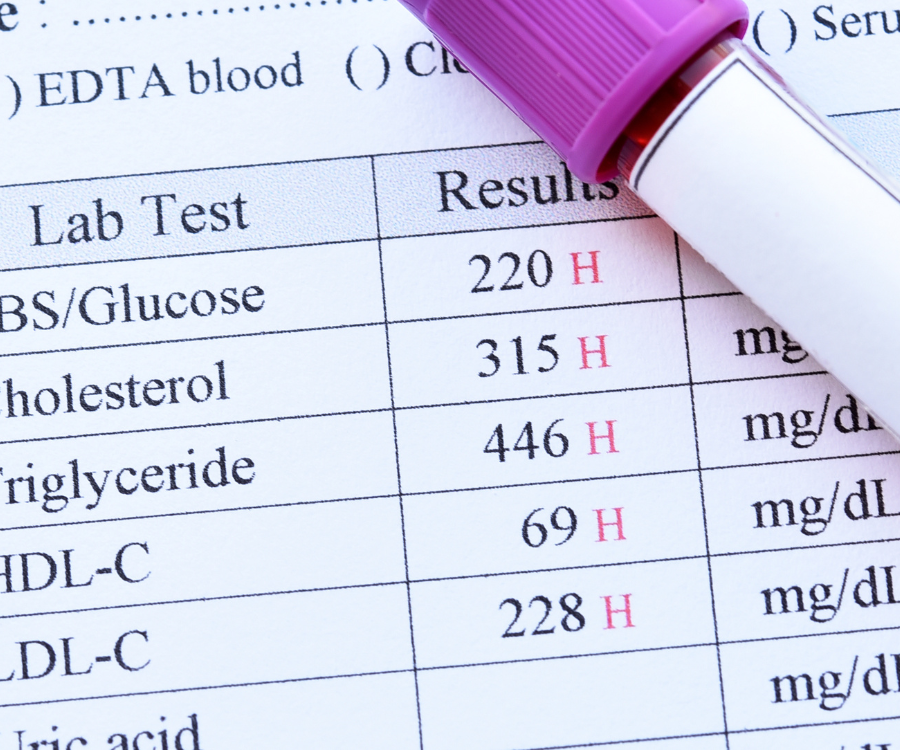
Your cholesterol panel, which includes LDL (“bad” cholesterol), HDL (“good” cholesterol), and triglycerides, is a classic example of nutrition’s impact.

  • Saturated and Trans Fats: Found in processed foods, fried items, and fatty cuts of meat, these fats are notorious for raising your LDL cholesterol. High levels of LDL can contribute to plaque buildup in your arteries, increasing your risk of heart disease.
  • Soluble Fiber: Foods like oats, barley, apples, and beans are rich in soluble fiber. This type of fiber acts like a sponge, binding to cholesterol in your digestive system and helping to remove it from your body, which can help lower your LDL levels.
  • Omega-3 Fatty Acids: Found in fatty fish like salmon, mackerel, and sardines, as well as in walnuts and flaxseeds, omega-3s are champions at lowering triglycerides. They also have anti-inflammatory properties that benefit overall heart health.

What to do: To improve your cholesterol numbers, focus on a diet rich in whole foods, lean proteins, and healthy fats. Limit your intake of processed snacks and fast food.

2. Blood Glucose: Balancing Your Sugar Intake

Your blood glucose (or blood sugar) level is a critical indicator of how your body is managing carbohydrates. This is particularly important for diagnosing and managing conditions like prediabetes and type 2 diabetes.

  • Simple Carbohydrates: Sugary drinks, white bread, pastries, and other simple carbs are quickly broken down into glucose, causing a rapid spike in your blood sugar.
  • Complex Carbohydrates and Fiber: Foods like whole grains, vegetables, and legumes are digested more slowly. This provides a steady release of glucose into your bloodstream, preventing those sharp spikes and crashes.

What to do: Opt for complex carbs over simple ones. Pair your carbs with protein and healthy fats to further slow down digestion and maintain stable blood sugar levels.

3. Iron and Vitamin Levels: Are You Getting Enough?

A complete blood count (CBC) often includes a look at your red blood cells, which can indicate iron deficiency anemia. Additionally, many people get blood tests to check for vitamin deficiencies, such as Vitamin D or Vitamin B12.

  • Iron: The most common cause of iron-deficiency anemia is a diet low in iron-rich foods. This includes red meat, poultry, fish, and plant-based sources like lentils, spinach, and tofu.
  • Vitamin B12: This vitamin is primarily found in animal products. Vegans and some vegetarians may be at risk for a deficiency and often need to supplement or consume fortified foods.
  • Vitamin D: While sunlight is a primary source, dietary sources like fatty fish, fortified milk, and eggs play a role. Low levels can impact bone health and immune function.

What to do: Ensure your diet is balanced and includes a variety of vitamins and minerals. If you follow a restrictive diet, talk to your doctor about potential deficiencies and whether supplements are right for you.

4. Liver and Kidney Function: Supporting Your Detox Organs

Blood tests for liver enzymes (like ALT and AST) and kidney function (like BUN and creatinine) can show if these organs are under stress.

  • High Alcohol and Sugar Intake: Both of these can put a significant burden on the liver, leading to elevated liver enzymes.
  • Excessive Protein: While protein is essential, an extremely high-protein diet, especially from animal sources, can increase the workload on your kidneys.
  • Hydration: Dehydration can negatively impact kidney function, so drinking enough water is crucial.

What to do: Moderate your alcohol and sugar intake. Focus on lean protein sources and, most importantly, stay well-hydrated throughout the day.

The Takeaway

Your blood work isn’t just a random set of numbers; it’s a reflection of your daily habits. By making conscious, nutritious choices, you can directly influence your cholesterol, blood sugar, and overall health markers. Think of your next blood test not as a test you need to pass, but as a report card on your lifestyle. A healthy, balanced diet is one of the most powerful ways to get a report card you can be proud of.

Categories Uncategorized

Understanding the Basics: What Your Blood Test Results Really Mean

Ever received a blood test report and felt like you were looking at a foreign language? You’re not alone. Those pages filled with acronyms and numbers can seem confusing, but they hold valuable clues about your health. Understanding what these results mean is the first step toward taking charge of your well-being.

Why Blood Tests Matter

Think of a blood test as a snapshot of what’s happening inside your body. It can help your doctor:

  • Diagnose diseases and conditions: From anemia to diabetes to kidney disease, blood tests are a crucial diagnostic tool.
  • Monitor chronic conditions: If you have a condition like high cholesterol, regular blood tests help your doctor track how well your treatment plan is working.
  • Assess organ function: Key markers can indicate how well your liver, kidneys, and other organs are functioning.
  • Check for nutritional deficiencies: A blood test can reveal if you’re low on essential vitamins and minerals like iron or Vitamin D.

Decoding the Report: Key Markers to Look For

Your report will list several different tests, each with a specific “reference range” or “normal range.” This range shows the typical values for a healthy person. If your result is outside this range, it might warrant further investigation.

Here are some of the most common tests and what they tell you:

1. Complete Blood Count (CBC)

This is one of the most common blood tests. It provides a detailed look at the cells in your blood:

  • White Blood Cells (WBC): Your body’s defense system. High levels can indicate an infection or inflammation. Low levels might be a sign of an autoimmune condition or a problem with your bone marrow.
  • Red Blood Cells (RBC): These cells carry oxygen throughout your body. Low levels (anemia) can cause fatigue and weakness. High levels might point to dehydration or other conditions.
  • Platelets: These tiny cells help your blood clot. Low platelet counts can increase the risk of bleeding, while high counts might indicate an increased risk of blood clots.

2. Basic Metabolic Panel (BMP)

The BMP gives your doctor a snapshot of your metabolism and kidney function. It includes:

  • Glucose (Blood Sugar): High levels can be a sign of pre-diabetes or diabetes.
  • Electrolytes (Sodium, Potassium, Chloride): These minerals are vital for nerve and muscle function. Imbalances can be a sign of dehydration or kidney issues.
  • Creatinine and Blood Urea Nitrogen (BUN): These are waste products that your kidneys filter. High levels can be a sign of kidney disease.

3. Lipid Panel (Cholesterol Test)

This test measures the fats (lipids) in your blood and is a key indicator of heart health:

  • Total Cholesterol: The overall amount of cholesterol in your blood.
  • LDL (“Bad”) Cholesterol: High levels can lead to plaque buildup in your arteries, increasing your risk of heart attack and stroke.
  • HDL (“Good”) Cholesterol: This type of cholesterol helps remove excess cholesterol from your arteries. Higher levels are better.
  • Triglycerides: Another type of fat in your blood. High levels can be linked to heart disease and other conditions.

What to Do with Your Results

Remember, these numbers are just part of the puzzle. Your doctor will interpret your results in the context of your overall health, lifestyle, and family history.

Key takeaway: Don’t panic if a number is outside the normal range. It doesn’t automatically mean you have a serious illness. A blood test is a tool for your doctor to get a more complete picture of your health. The best approach is to talk to your healthcare provider, ask questions, and work together to create a plan that’s right for you. Understanding your blood test results is a powerful step towards a healthier future.

Categories Uncategorized

Molecular Pathology and Precision Medicine

From “One-Size-Fits-All” to a Tailored Approach: How Molecular Pathology is Revolutionizing Medicine

Remember the days when a single diagnosis meant a standard course of treatment for everyone? While this “one-size-fits-all” approach has been the cornerstone of medicine for decades, a new era is dawning. It’s an era of precision medicine, and at its heart is the powerful field of molecular pathology.

So, what exactly are these two game-changing concepts, and how are they working together to create a future of truly personalized healthcare?

What is Molecular Pathology?

Think of molecular pathology as the ultimate detective work for diseases. Traditional pathology examines tissues and cells under a microscope to identify abnormalities. Molecular pathology goes a step further, delving into the very molecules—like DNA, RNA, and proteins—to uncover the genetic and molecular changes driving a disease.

This sub-specialty uses advanced technologies to analyze a patient’s unique molecular makeup. By identifying specific mutations, genetic alterations, or changes in gene expression, molecular pathologists can provide a detailed, “sub-microscopic” understanding of a disease. This information is a critical piece of the puzzle, revealing not just what a disease looks like, but why it’s behaving the way it is.

The Rise of Precision Medicine

Precision medicine, often called personalized medicine, is a healthcare model that tailors medical decisions, treatments, and even preventative strategies to the individual patient. It moves beyond generic disease classifications and takes into account a person’s unique genes, environment, and lifestyle.

Instead of prescribing the same drug to all patients with a particular type of cancer, for example, precision medicine uses molecular insights to choose the most effective therapy for that specific patient’s tumor. This approach has the potential to dramatically improve treatment outcomes, reduce side effects, and save both time and money by avoiding ineffective therapies.

The Dynamic Duo: How They Work Together

The connection between molecular pathology and precision medicine is a symbiotic one. Molecular pathology provides the essential data that makes precision medicine possible. Here’s how this powerful collaboration works in practice:

  • Targeted Therapies: In oncology, a key application of this partnership is the use of targeted therapies. Molecular pathologists analyze a patient’s tumor sample to identify specific genetic mutations. If a particular mutation is driving the cancer’s growth, a physician can prescribe a drug specifically designed to block that mutation. A well-known example is the use of BRAF inhibitors for melanoma patients with the BRAF gene mutation.
  • Diagnosis and Prognosis: Molecular analysis can refine a diagnosis that looks non-specific under a microscope. It can differentiate between similar diseases and help predict how a disease will progress. This allows doctors to create a more accurate and effective treatment plan from the outset.
  • Drug Development: Understanding the molecular basis of diseases also fuels the development of new, more effective drugs. By identifying new targets, scientists can design therapies that are more precise and have fewer off-target effects.
  • Infectious Disease Management: The power of molecular pathology extends beyond cancer. By analyzing the genetic material of bacteria or viruses, it’s possible to identify specific strains and tailor antibiotic or antiviral treatments, a crucial step in combating antibiotic resistance.

Challenges and the Future of Molecular Pathology

While the promise of this field is immense, there are still challenges to overcome. These include:

  • Data Interpretation: The sheer volume of data generated by genomic testing requires sophisticated bioinformatics tools and skilled professionals to interpret it accurately.
  • Cost and Accessibility: Advanced molecular tests and equipment can be expensive, which may limit their accessibility in some healthcare settings.
  • Standardization: Ensuring consistent and reliable results across different laboratories is crucial for patient safety and requires standardized protocols.

Despite these hurdles, the future of molecular pathology is incredibly bright. As technologies like Next-Generation Sequencing (NGS) become more affordable and widespread, we can expect to see an even greater integration of molecular insights into routine clinical practice. The field will continue to evolve, empowering doctors and patients alike to make smarter, more informed decisions about health and treatment.

In the end, this isn’t just a new set of tools; it’s a fundamental shift in how we approach healthcare. By treating the patient, not just the disease, molecular pathology is paving the way for a healthier, more personalized future.