
Categories Uncategorized

Testosterone, Estrogen, and Progesterone – What You Need to Know

In the intricate symphony of our bodies, hormones play a leading role, orchestrating countless processes that influence our mood, energy, reproduction, and overall well-being. Among the most talked-about are the “big three” sex hormones: testosterone, estrogen, and progesterone. While often associated with specific genders, these powerful chemical messengers are vital for everyone, albeit in differing concentrations and roles.

Let’s dive into the fascinating world of these hormonal powerhouses and understand their individual and intertwined impacts.

Testosterone: More Than Just a “Male” Hormone

When you hear “testosterone,” you probably picture bulging muscles and masculine traits. And while it’s the primary male sex hormone, produced mainly in the testes, it’s absolutely crucial for women too, produced in smaller amounts by the ovaries and adrenal glands.

In Men: Testosterone is fundamental for:

  • Sexual Development: Driving puberty, sperm production, and libido.
  • Muscle and Bone Health: Promoting muscle mass, strength, and bone density.
  • Red Blood Cell Production: Contributing to energy levels and oxygen transport.
  • Mood and Energy: Influencing mood, cognitive function, and overall vitality.

In Women: Don’t underestimate testosterone’s role! It contributes to:

  • Libido and Sexual Function: Playing a key role in female sex drive.
  • Bone Density: Supporting strong bones.
  • Energy Levels and Mood: Contributing to overall energy and well-being.

Signs of Imbalance (Low Testosterone): In both men and women, low testosterone can manifest as fatigue, decreased libido, mood changes, difficulty concentrating, and muscle weakness.

Estrogen: The Multi-Talented Hormone

Often considered the “female” hormone, estrogen (primarily estradiol, estrone, and estriol) is indeed dominant in women, produced mainly in the ovaries. However, men also produce estrogen, albeit in smaller quantities, and it plays important roles for them too.

In Women: Estrogen is central to:

  • Reproductive Health: Regulating the menstrual cycle, developing female secondary sexual characteristics, and supporting pregnancy.
  • Bone Health: Protecting against bone loss.
  • Cardiovascular Health: Contributing to healthy cholesterol levels and blood vessel function.
  • Skin and Hair: Influencing skin elasticity and hair health.
  • Mood and Cognition: Playing a role in mood regulation and cognitive function.

In Men: Estrogen is important for:

  • Bone Health: Contributing to bone density.
  • Sperm Production: Playing a role in healthy sperm development.
  • Libido: Influencing sexual desire.

Signs of Imbalance (High or Low Estrogen): In women, imbalances can lead to irregular periods, hot flashes, mood swings, weight gain, fatigue, and even increased risk of certain conditions. In men, high estrogen can sometimes contribute to issues like gynecomastia (enlarged breast tissue).

Progesterone: The Calming and Balancing Act

Progesterone, produced primarily in the ovaries (especially after ovulation) and in smaller amounts by the adrenal glands, is another crucial female hormone. While men produce very small amounts, its role in male physiology is less pronounced compared to women.

In Women: Progesterone’s key roles include:

  • Menstrual Cycle Regulation: Preparing the uterus for pregnancy and supporting early pregnancy.
  • Mood and Sleep: Often referred to as the “calming hormone,” it can promote relaxation and better sleep.
  • Bone Health: Supporting bone formation.
  • Breast Health: Protecting against certain breast conditions.

Signs of Imbalance (Low Progesterone): Low progesterone in women can contribute to irregular periods, heavy bleeding, PMS symptoms, anxiety, difficulty sleeping, and sometimes challenges with fertility.

The Interplay: A Delicate Balance

It’s crucial to understand that these hormones don’t act in isolation. They interact in complex ways, with the balance between them being far more important than the absolute level of any single hormone. For instance, the ratio of estrogen to progesterone is vital for a healthy menstrual cycle in women, and the balance between testosterone and estrogen in men impacts their overall health.

Optimising Your Hormonal Health

If you suspect a hormonal imbalance, it’s essential to consult with a healthcare professional. They can conduct appropriate tests and recommend personalized strategies. However, here are some general, Google-friendly tips for supporting overall hormonal balance:

  • Maintain a Balanced Diet: Focus on whole, unprocessed foods, including plenty of fruits, vegetables, lean proteins, and healthy fats.
  • Regular Exercise: Physical activity can positively impact hormone production and sensitivity.
  • Manage Stress: Chronic stress can disrupt hormone balance. Incorporate stress-reducing techniques like meditation, yoga, or spending time in nature.
  • Prioritise Sleep: Adequate, quality sleep is crucial for hormone regulation. Aim for 7-9 hours per night.
  • Limit Environmental Toxins: Be mindful of endocrine-disrupting chemicals found in some plastics, pesticides, and personal care products.

Understanding the roles of testosterone, estrogen, and progesterone is the first step towards taking charge of your health. By supporting your body’s natural hormonal balance through lifestyle choices, you can unlock a greater sense of well-being and vitality.

Categories Uncategorized

Fasting Before a Blood Test: What You Need to Know

Getting a blood test is a common part of managing your health, but sometimes your doctor will tell you to “fast” beforehand. This can leave many people wondering: what exactly does that mean, and why is it so important? Don’t worry, we’re here to demystify the process and ensure you get the most accurate results possible.

Why Fasting Matters for Blood Tests

When you eat or drink, your body breaks down food and absorbs nutrients, like sugars and fats, into your bloodstream. These new additions can temporarily alter the levels of certain substances in your blood. For specific tests, these fluctuations can give your doctor a misleading picture of your health.

Fasting essentially creates a “baseline” for your blood. By abstaining from food and certain beverages, your body returns to a stable state, allowing the lab to measure your true levels of various components without interference from your recent meal. This ensures the most accurate diagnosis, monitoring of conditions, and effectiveness of treatments.

Which Blood Tests Usually Require Fasting?

Not all blood tests require fasting, but some common ones that do include:

  • Fasting Blood Glucose Test: This test measures your blood sugar levels and is crucial for diagnosing and monitoring diabetes, prediabetes, and gestational diabetes. Eating before this test would significantly elevate your blood sugar, leading to inaccurate results.
  • Lipid Panel (Cholesterol and Triglycerides): This panel measures your total cholesterol, HDL (good cholesterol), LDL (bad cholesterol), and triglycerides (a type of fat). Since consuming fats can drastically increase triglyceride levels, fasting provides a clear and reliable reading of your lipid profile, which is important for assessing heart disease risk.
  • Basic Metabolic Panel (BMP) & Comprehensive Metabolic Panel (CMP): While not always a strict fasting requirement, your doctor might recommend it for these tests, especially if they’re looking at very specific glucose or electrolyte levels, or assessing liver function. These tests provide insights into your overall health, kidney, and liver function.
  • Some Vitamin B12 and Iron Tests: Depending on the specific test and your doctor’s instructions, you might be asked to fast or avoid certain supplements.

Always confirm with your doctor or the lab whether fasting is required for your specific tests. When in doubt, always ask!

How Long Do You Need to Fast?

The typical fasting period is 8 to 12 hours. For some tests, it might be as short as 6 hours, or even up to 14 hours for others. Your healthcare provider will give you precise instructions.

Tip: Many people find it easiest to schedule their fasting blood test for the morning. This way, a significant portion of your fasting period happens while you’re asleep!

What Can You Consume During a Fast?

Here’s the golden rule: plain water is generally allowed and encouraged! Staying hydrated can actually make it easier for the phlebotomist to find your veins.

However, you should avoid everything else, including:

  • Food of any kind: Even a small snack, chewing gum (even sugar-free), or a mint can impact your results.
  • All other beverages: This includes coffee (even black!), tea, juice, soda, energy drinks, and alcohol.
  • Smoking or vaping: Nicotine can affect certain blood levels.
  • Strenuous exercise: Physical activity can also influence your test results.

What About Medications?

This is a crucial point: unless specifically instructed by your doctor, continue taking your prescribed medications as usual. If a medication needs to be taken with food, or if you’re unsure, discuss it with your doctor before your fasting period. Never stop taking a prescribed medication without medical advice.

What if You Accidentally Eat or Drink?

Mistakes happen! If you accidentally eat or drink something before your fasting blood test, it’s essential to be honest and inform your healthcare provider or the lab technician immediately.

Depending on the test and what you consumed, they might:

  • Still proceed with the test, taking your recent intake into account when interpreting the results.
  • Ask you to reschedule the test for another day to ensure accuracy.

It’s far better to be upfront than to get inaccurate results that could lead to unnecessary further testing, incorrect diagnoses, or inappropriate treatment.

Making Fasting Easier

  • Schedule Early: As mentioned, morning appointments are your best friend.
  • Stay Hydrated: Drink plenty of plain water during your fasting period.
  • Plan Your Last Meal: Eat a balanced and satisfying meal before your fasting window begins.
  • Pack a Post-Test Snack: Bring something to eat and drink immediately after your blood draw to replenish your energy.
  • Distract Yourself: Keep busy with tasks or activities that take your mind off hunger.

Fasting before a blood test might seem like a small inconvenience, but it’s a vital step in ensuring your healthcare team has the most accurate information to assess your health. By understanding the “why” and following the guidelines, you’re actively contributing to your own well-being.

Categories Uncategorized

Understanding the Different Types of Blood Tests and Their Purposes

Understanding the Different Types of Blood Tests and Their Purposes

Blood tests are a common and incredibly valuable tool in modern medicine. They offer a window into your body’s inner workings, helping doctors diagnose conditions, monitor treatments, and assess your overall health. But with so many different types of blood tests available, it can be a bit confusing to understand what each one is for.

Let’s break down some of the most common types of blood tests and their crucial purposes.

1. Complete Blood Count (CBC)

This is perhaps the most frequently ordered blood test, and for good reason! A CBC provides a comprehensive overview of the cells in your blood: red blood cells, white blood cells, and platelets.

  • Red Blood Cells (RBCs): These carry oxygen throughout your body. Abnormal levels can indicate anemia (low RBCs) or polycythemia (high RBCs).
  • White Blood Cells (WBCs): These are your immune system’s defenders. High WBC counts can signal an infection or inflammation, while low counts might indicate a weakened immune system.
  • Platelets: These tiny cells are essential for blood clotting. Abnormal platelet counts can lead to excessive bleeding or clotting issues.

Purpose: A CBC is a general screening test used to detect a wide range of conditions, including infections, inflammation, anemia, and certain blood cancers.

2. Basic Metabolic Panel (BMP) & Comprehensive Metabolic Panel (CMP)

These panels measure various chemicals in your blood, providing insights into your body’s metabolism and organ function.

  • Basic Metabolic Panel (BMP): This typically includes glucose (blood sugar), electrolytes (sodium, potassium, chloride, bicarbonate), and kidney function markers (BUN and creatinine).
  • Comprehensive Metabolic Panel (CMP): The CMP builds on the BMP by adding liver function tests (e.g., ALT, AST, alkaline phosphatase, bilirubin) and protein levels.

Purpose: BMPs and CMPs are crucial for assessing kidney and liver function, electrolyte balance, blood sugar levels, and overall metabolic health. They can help diagnose conditions like diabetes, kidney disease, and liver disorders.

3. Lipid Panel (Cholesterol Test)

The lipid panel measures the different types of fats (lipids) in your blood.

  • Total Cholesterol: The overall amount of cholesterol in your blood.
  • LDL (“Bad”) Cholesterol: High levels can contribute to plaque buildup in arteries, increasing heart disease risk.
  • HDL (“Good”) Cholesterol: Higher levels are generally protective against heart disease.
  • Triglycerides: Another type of fat that, in high levels, can also increase heart disease risk.

Purpose: This test is vital for assessing your risk of cardiovascular disease, including heart attacks and strokes.

4. Thyroid Function Tests (TFTs)

These tests measure the levels of hormones produced by your thyroid gland, a small gland in your neck that regulates metabolism.

  • Thyroid-Stimulating Hormone (TSH): This is often the first test ordered. High TSH can indicate an underactive thyroid (hypothyroidism), while low TSH might suggest an overactive thyroid (hyperthyroidism).
  • T3 and T4: These are the actual thyroid hormones.

Purpose: TFTs diagnose and monitor thyroid disorders, which can affect energy levels, weight, mood, and many other bodily functions.

5. Blood Glucose Tests (for Diabetes)

These tests specifically measure your blood sugar levels.

  • Fasting Blood Glucose: Measures blood sugar after an overnight fast.
  • HbA1c (Glycated Hemoglobin): Provides an average of your blood sugar levels over the past 2-3 months.
  • Oral Glucose Tolerance Test (OGTT): Involves drinking a sugary solution and having blood drawn at intervals to see how your body processes sugar.

Purpose: These tests are essential for diagnosing and monitoring diabetes and prediabetes.

6. Coagulation Panel

This panel assesses your blood’s ability to clot.

  • Prothrombin Time (PT) and International Normalized Ratio (INR): Measures how long it takes for blood to clot. Often used to monitor patients on blood-thinning medications like warfarin.
  • Partial Thromboplastin Time (PTT): Another measure of clotting time, often used to evaluate bleeding disorders.

Purpose: These tests are important for diagnosing bleeding disorders, evaluating clotting risks, and monitoring anticoagulant therapy.

The Takeaway

Understanding the different types of blood tests can empower you to have more informed conversations with your doctor about your health. Remember, blood tests are just one piece of the puzzle. Your doctor will always consider your symptoms, medical history, and other diagnostic information to provide a complete picture of your health.

If you have any questions about a blood test your doctor has ordered, don’t hesitate to ask them for clarification. Knowledge is power when it comes to your health!

Categories Uncategorized

How a Simple PSA Blood Test Can Save Your Life

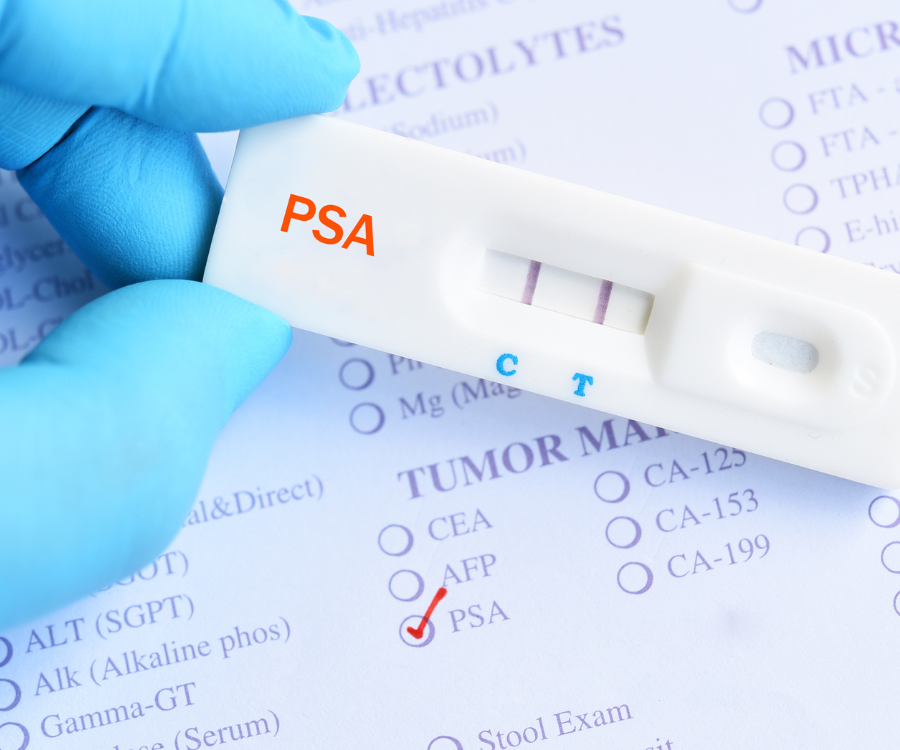
Prostate cancer is a silent threat. In its early stages, it often presents no symptoms, making it incredibly dangerous. However, there’s a powerful weapon in our arsenal against this disease: the Prostate-Specific Antigen (PSA) blood test. While not a definitive diagnostic tool on its own, understanding its role can literally be a lifesaver.

What Exactly is a PSA Test?

The PSA test is a blood test that measures the level of prostate-specific antigen in your blood. PSA is a protein produced by both normal and cancerous cells in the prostate gland. It’s important to remember that a high PSA level doesn’t automatically mean you have cancer. Other factors, like an enlarged prostate (BPH), prostate infection, or even recent vigorous exercise, can also elevate PSA levels.

Why is This Simple Test So Important?

The real power of the PSA test lies in its ability to detect potential prostate problems early. When prostate cancer is caught in its localized stage, before it has spread to other parts of the body, the chances of successful treatment are significantly higher. Early detection can mean:

  • More Treatment Options: Localized prostate cancer often has a wider range of effective treatment options, including surgery, radiation therapy, and active surveillance.
  • Better Outcomes: Early intervention dramatically improves the odds of a full recovery and a longer, healthier life.
  • Reduced Risk of Aggressive Cancer: Detecting prostate cancer when it’s still small and confined can prevent it from progressing into a more aggressive and difficult-to-treat form.

Who Should Consider a PSA Test?

Guidelines for PSA testing can vary, and it’s crucial to have a discussion with your doctor to determine what’s right for you. Generally, consider discussing PSA testing if you are:

  • Age 50 or older: This is the general age at which discussions about prostate cancer screening often begin.
  • Age 40-45 and have a family history of prostate cancer: If your father or brother had prostate cancer at an early age, your risk might be higher.
  • Of African descent: African men have a higher risk of developing prostate cancer and at an earlier age.

What Happens if My PSA is High?

A high PSA reading is not a diagnosis of cancer, but rather a signal for further investigation. Your doctor may recommend:

  • Repeat PSA test: To see if the levels remain elevated or have changed.
  • Digital Rectal Exam (DRE): A physical examination of the prostate.
  • Further imaging: Such as an MRI of the prostate.
  • Prostate biopsy: If other tests indicate a strong suspicion of cancer, a biopsy is necessary to confirm the diagnosis.

The Bottom Line: Be Proactive About Your Health

Don’t wait for symptoms to appear. By then, prostate cancer may have advanced. A simple conversation with your doctor about the PSA blood test can be a crucial step in safeguarding your health and potentially saving your life. It’s an easy, relatively inexpensive test that offers invaluable insights into your prostate health.

Talk to your doctor today about whether a PSA test is right for you. Your future health could depend on it.