
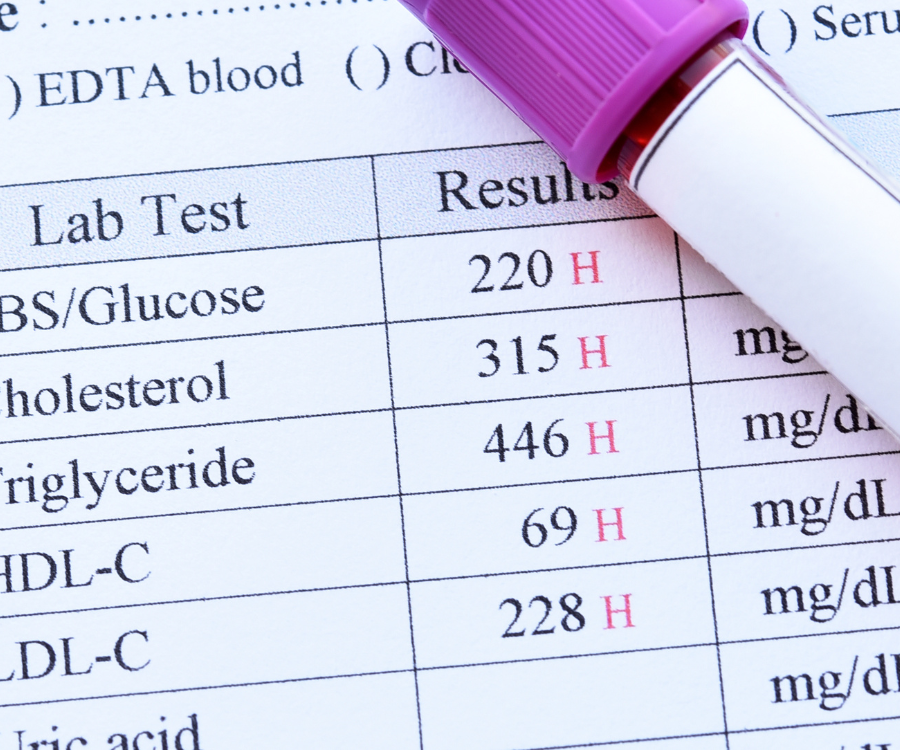
Ever received a blood test report and felt like you were looking at a foreign language? You’re not alone. Those pages filled with acronyms and numbers can seem confusing, but they hold valuable clues about your health. Understanding what these results mean is the first step toward taking charge of your well-being.
Why Blood Tests Matter
Think of a blood test as a snapshot of what’s happening inside your body. It can help your doctor:
- Diagnose diseases and conditions: From anemia to diabetes to kidney disease, blood tests are a crucial diagnostic tool.
- Monitor chronic conditions: If you have a condition like high cholesterol, regular blood tests help your doctor track how well your treatment plan is working.
- Assess organ function: Key markers can indicate how well your liver, kidneys, and other organs are functioning.
- Check for nutritional deficiencies: A blood test can reveal if you’re low on essential vitamins and minerals like iron or Vitamin D.
Decoding the Report: Key Markers to Look For
Your report will list several different tests, each with a specific “reference range” or “normal range.” This range shows the typical values for a healthy person. If your result is outside this range, it might warrant further investigation.
Here are some of the most common tests and what they tell you:
1. Complete Blood Count (CBC)
This is one of the most common blood tests. It provides a detailed look at the cells in your blood:
- White Blood Cells (WBC): Your body’s defense system. High levels can indicate an infection or inflammation. Low levels might be a sign of an autoimmune condition or a problem with your bone marrow.
- Red Blood Cells (RBC): These cells carry oxygen throughout your body. Low levels (anemia) can cause fatigue and weakness. High levels might point to dehydration or other conditions.
- Platelets: These tiny cells help your blood clot. Low platelet counts can increase the risk of bleeding, while high counts might indicate an increased risk of blood clots.
2. Basic Metabolic Panel (BMP)
The BMP gives your doctor a snapshot of your metabolism and kidney function. It includes:
- Glucose (Blood Sugar): High levels can be a sign of pre-diabetes or diabetes.
- Electrolytes (Sodium, Potassium, Chloride): These minerals are vital for nerve and muscle function. Imbalances can be a sign of dehydration or kidney issues.
- Creatinine and Blood Urea Nitrogen (BUN): These are waste products that your kidneys filter. High levels can be a sign of kidney disease.
3. Lipid Panel (Cholesterol Test)
This test measures the fats (lipids) in your blood and is a key indicator of heart health:
- Total Cholesterol: The overall amount of cholesterol in your blood.
- LDL (“Bad”) Cholesterol: High levels can lead to plaque buildup in your arteries, increasing your risk of heart attack and stroke.
- HDL (“Good”) Cholesterol: This type of cholesterol helps remove excess cholesterol from your arteries. Higher levels are better.
- Triglycerides: Another type of fat in your blood. High levels can be linked to heart disease and other conditions.
What to Do with Your Results
Remember, these numbers are just part of the puzzle. Your doctor will interpret your results in the context of your overall health, lifestyle, and family history.
Key takeaway: Don’t panic if a number is outside the normal range. It doesn’t automatically mean you have a serious illness. A blood test is a tool for your doctor to get a more complete picture of your health. The best approach is to talk to your healthcare provider, ask questions, and work together to create a plan that’s right for you. Understanding your blood test results is a powerful step towards a healthier future.