
Categories Uncategorized

Vitamin and Mineral Deficiency

Feeling fatigued, sluggish, or just not quite yourself? You might be wondering if a vitamin or mineral deficiency is playing a role. While a healthy diet should provide most of the nutrients you need, deficiencies can happen for various reasons. This blog post will guide you through what to expect when getting tested for vitamin and mineral deficiencies.

Why Get Tested?

Many factors can contribute to nutrient deficiencies, including:

  • Dietary choices: Limited variety in your diet, restrictive eating plans, or certain food intolerances can make it difficult to get all the vitamins and minerals your body needs.
  • Digestive issues: Conditions like Crohn’s disease or celiac disease can affect nutrient absorption.
  • Medications: Some medications can interfere with nutrient absorption.
  • Increased needs: Pregnancy, breastfeeding, and certain medical conditions can increase your body’s demand for specific vitamins and minerals.

What to Discuss with Your Doctor

Before getting tested, talk to your doctor. They can review your symptoms, medical history, and dietary habits to determine if a deficiency test is right for you. Be sure to mention any medications you’re taking and any recent changes in your diet or health.

Types of Tests

Vitamin and mineral deficiencies are typically assessed through blood tests. There are two main types:

  • Finger prick test: A small amount of blood is collected from your fingertip. This is a common option for testing specific vitamins or minerals.
  • Venous blood draw: Blood is drawn from a vein in your arm. This method allows for testing a wider range of vitamins and minerals.

The Testing Process

The testing process itself is generally quick and straightforward. Depending on the type of test, you may need to fast beforehand. During the blood draw, a healthcare professional will insert a needle into your fingertip or vein and collect a small blood sample. The sample is then sent to a laboratory for analysis.

Getting Your Results

It typically takes a few days to receive your test results. Your doctor will review the results with you and explain what they mean. If a deficiency is identified, they will discuss treatment options, which may include dietary changes, specific food recommendations, or supplements.

Remember

Vitamin and mineral deficiency testing is a valuable tool to help identify potential causes of your symptoms and improve your overall health. Discussing your concerns with your doctor is the first step. They can guide you through the testing process and recommend the best course of action based on your individual needs.

Additional Tips

  • Keep a record of your diet and symptoms to share with your doctor.
  • Don’t self-diagnose or take supplements without consulting your doctor. Excess vitamins and minerals can also be harmful.
  • Maintaining a balanced diet rich in fruits, vegetables, whole grains, and lean protein is the best way to ensure you’re getting the vitamins and minerals your body needs.

Categories Uncategorized

Blood Tests for Heart Disease Risk Assessment

Heart disease remains a leading cause of concern worldwide. The good news? Taking charge of your heart health is within reach. Regular checkups and screenings play a vital role in early detection and prevention. One key tool in this process? Blood tests for heart disease risk assessment.

Understanding Your Bloodwork:

Blood tests offer a window into your body’s internal workings. For heart disease risk assessment, doctors typically order a lipid panel, a comprehensive cholesterol check. This panel measures:

  • Total Cholesterol: This is the sum of all cholesterol in your blood. A high number indicates potential trouble.
  • LDL Cholesterol (often called “bad” cholesterol): This sticky substance builds up in arteries, narrowing them and increasing heart disease risk.
  • HDL Cholesterol (often called “good” cholesterol): This cholesterol acts like a scavenger, removing LDL particles from your arteries.
  • Triglycerides: Another type of fat in the blood, high levels can contribute to heart disease.

Beyond Cholesterol: Other Bloodwork Insights

While the lipid panel is crucial, other blood tests can provide additional clues about heart health:

  • C-Reactive Protein (CRP): This inflammatory marker can signal increased risk, even with normal cholesterol levels.
  • Homocysteine: Elevated homocysteine levels might be a risk factor, although research is ongoing.

What do the Numbers Mean?

Interpreting your bloodwork results is best done with your doctor. They’ll consider your individual health picture, including:

  • Age
  • Family history of heart disease
  • Lifestyle habits like smoking and diet
  • Existing health conditions like diabetes or high blood pressure

Taking Action for a Healthy Heart

Based on your bloodwork and overall risk assessment, your doctor might recommend:

  • Lifestyle changes: Prioritizing a healthy diet, regular exercise, and stress management are essential for heart health.
  • Medications: Cholesterol-lowering drugs or medications to manage other risk factors might be prescribed.

Remember: Blood tests are a starting point, not a definitive answer. A healthy lifestyle remains the cornerstone of heart disease prevention. Talk to your doctor about your risk factors and create a personalized plan to keep your heart happy and strong.

Empower Yourself with Knowledge

Schedule regular checkups and discuss your heart health with your doctor. By understanding your bloodwork and taking proactive steps, you can significantly reduce your risk of heart disease and live a long, healthy life.

Categories Uncategorized

Interpreting Liver Function Test Results

Understanding Your Liver Function Test Results: A Patient’s Guide

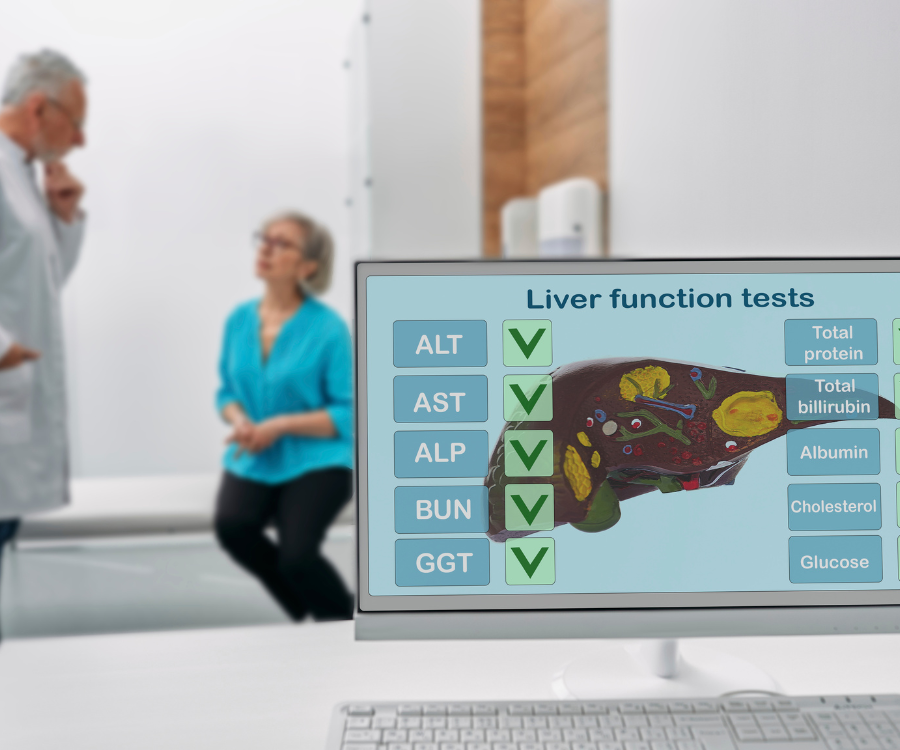
The liver is a powerhouse organ, silently working behind the scenes to keep us healthy. One way doctors assess its function is through a liver function test (LFT). This blood test measures various enzymes, proteins, and bilirubin levels that can indicate potential problems. But receiving your results can be confusing. Let’s break down what those numbers mean and how to interpret them.

What’s Included in an LFT?

An LFT panel typically includes:

  • Alanine aminotransferase (ALT) and aspartate aminotransferase (AST): These enzymes rise when liver cells are damaged.
  • Alkaline phosphatase (ALP): This enzyme indicates bile flow and can be elevated due to liver or bone issues.
  • Gamma-glutamyl transferase (GGT): Often elevated with excessive alcohol consumption or bile duct problems.
  • Bilirubin: This waste product increases when the liver can’t process it properly.
  • Albumin and prothrombin time (PT): These assess protein production and blood clotting, indirectly reflecting liver function.

Understanding the Numbers:

Each test has a normal range, which can vary slightly between labs. Doctors interpret results by considering the specific values, along with overall health and symptoms. Generally:

  • Slightly elevated levels: May warrant monitoring or further testing depending on the context.
  • Moderately elevated levels: Can indicate potential issues and may require additional investigation.
  • Severely elevated levels: Often suggest significant liver damage and need prompt medical attention.

Interpreting the Pattern:

The pattern of elevated enzymes can offer clues:

  • Both ALT and AST high: Suggests liver cell injury from various causes like hepatitis, toxins, or medications.
  • AST much higher than ALT: May point towards alcoholic liver disease or muscle damage.
  • ALP elevated: Could indicate bile duct blockage, bone disease, or, in some cases, liver problems.
  • GGT elevated: Often linked to heavy alcohol consumption or bile duct issues.

Remember, I’m not a Doctor!

This is just a general overview. Do not diagnose yourself based on LFT results alone. If you have any concerns about your results, discuss them with your doctor. They can interpret the findings in context with your medical history and recommend further action if needed.

Taking Charge of Your Liver Health:

Here are some tips for keeping your liver healthy:

  • Maintain a healthy weight: Excess fat can strain the liver.
  • Eat a balanced diet: Limit processed foods, sugary drinks, and unhealthy fats.
  • Drink alcohol moderately: Excessive alcohol consumption is a major risk factor for liver disease.
  • Get vaccinated: Protect yourself against hepatitis viruses.
  • Avoid toxins: Be mindful of medications and potential toxins in your environment.

By understanding your LFT results and adopting healthy habits, you can empower yourself to take control of your liver health.

Categories Uncategorized

Your Blood Sugar’s 3-Month Report Card for Diabetes Management

If you have diabetes, keeping your blood sugar levels in check is crucial for staying healthy and preventing complications. But constantly monitoring your blood sugar with finger pricks can be a hassle. That’s where the Hemoglobin A1c (HbA1c) test comes in – a simple blood test offering a valuable long-term picture of your blood sugar control.

What is Hemoglobin A1c?

Hemoglobin is a protein in your red blood cells that carries oxygen throughout your body. Glucose (sugar) in your bloodstream can attach to hemoglobin. The HbA1c test measures the percentage of hemoglobin that has sugar attached. Since red blood cells live for about 3 months, the HbA1c reflects your average blood sugar control over that period.

Why is HbA1c Important for Diabetes Management?

Unlike finger pricks that give a snapshot of your blood sugar at a specific time, the HbA1c test provides a broader view of your blood sugar control. This is especially helpful for:

  • Diagnosing prediabetes and diabetes: An HbA1c level of 5.7% to 6.4% indicates prediabetes, while 6.5% or higher on two separate tests suggests diabetes.
  • Monitoring diabetes management: Regularly checking your HbA1c allows you and your doctor to see how well your diabetes treatment plan is working.
  • Identifying areas for improvement: If your HbA1c is higher than your target range, it indicates a need to adjust your diet, exercise routine, or medication.

What are the Target HbA1c Levels?

Target HbA1c levels can vary depending on individual factors like age, overall health, and type of diabetes. However, in general, the American Diabetes Association recommends striving for an HbA1c below 7%. Your doctor will discuss your specific target HbA1c based on your situation.

How Often Should You Get an HbA1c Test?

The frequency of HbA1c testing depends on your type of diabetes, treatment plan, and how well your blood sugar is controlled. Typically, people with well-controlled type 2 diabetes might get tested two to four times a year, while those with newly diagnosed or poorly controlled diabetes may need more frequent testing.

Remember: HbA1c is a valuable tool, but it doesn’t replace regular blood sugar monitoring. If you experience symptoms of high or low blood sugar, always check your blood sugar level with a finger prick test and take appropriate action.

Living well with diabetes requires a multi-pronged approach. By working with your doctor, regularly monitoring your HbA1c, and making healthy lifestyle choices, you can effectively manage your diabetes and live a fulfilling life.