
Categories Uncategorized

Understanding Your Pathology Report

Ever received a medical report and felt like you needed a medical degree to decipher it? Pathology reports, which analyze tissue samples under a microscope, can be dense with technical terms. But fear not! This guide will equip you with the knowledge to navigate your pathology report with confidence.

Patient Information & Clinical History: This section is like the report’s cover page, identifying you and providing details relevant to the tissue sample.

Gross Description: Here, the pathologist describes the sample’s physical characteristics – size, color, number of pieces. Imagine it as a first impression before a closer look under the microscope.

Microscopic Description: This is where the detective work begins. The pathologist dives into the cellular level, describing what they see and comparing it to healthy tissue. This is where terms like “inflammation” or “atypical cells” might appear.

Diagnosis: This is the crux of the report – the pathologist’s conclusion based on their analysis. It could be a specific diagnosis like “benign mole” or indicate a need for further testing.

Additional Information: Sometimes, the report might include details on special tests performed, like immunohistochemistry, to pinpoint the type of cells present.

Understanding the Jargon: Pathology reports are full of medical terminology, but don’t panic! Look for keywords you recognize and write down any terms you’re unsure about.

Context is Key: While the report provides valuable information, it’s just one piece of the puzzle. Discuss the report with your doctor to understand how it fits into your overall health picture. They can explain the findings in layman’s terms, address any concerns, and outline the next steps.

Don’t Hesitate to Ask: Your doctor is there to guide you. If something in the report is unclear, don’t be shy to ask for clarification. Remember, understanding your health information empowers you to be an active participant in your care.
Categories Uncategorized

Blood Types: More Than Just a Trivia Night Answer

You might know your favorite color or your best friend’s birthday, but do you know your blood type? This seemingly simple question holds more weight than you might think. Blood types play a crucial role in our health, especially in situations like blood transfusions and understanding potential health risks.

So, let’s dive into the fascinating world of blood types and explore why knowing yours is more than just a party trick.

Decoding the Blood Type Mystery: ABO and Rh

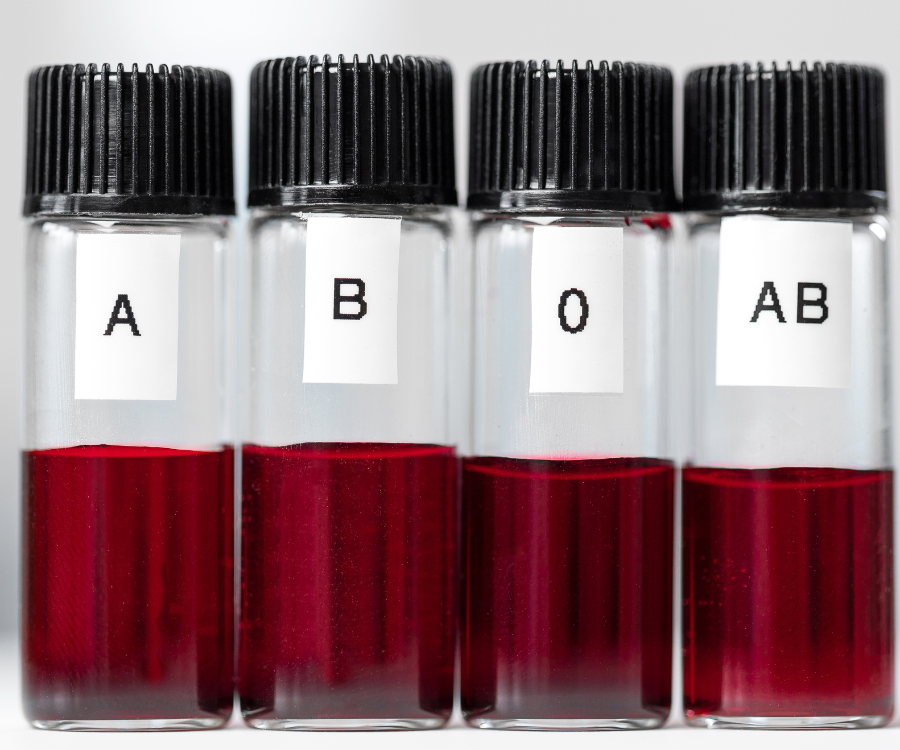
Our blood types are determined by a combination of proteins, called antigens, found on red blood cells and antibodies present in the blood plasma. The most common blood typing system is the ABO system, which classifies blood into four main types: A, B, AB, and O. Each type has a different combination of antigens.

Another important factor is the Rh system. This categorizes blood as either Rh positive or Rh negative, depending on the presence or absence of a specific Rh antigen. So, when you hear someone say they’re A positive, that means they have the A antigen on their red blood cells and the Rh antigen as well.

Why Knowing Your Blood Type Matters

Now, here’s where things get interesting. Knowing your blood type is vital for safe blood transfusions. When you receive a blood transfusion, your body needs to accept the donated blood. If the blood types aren’t compatible, your immune system can attack the donated red blood cells, leading to serious complications.

Here’s a quick rundown of blood transfusion compatibility:

  • O negative: The universal donor! O negative blood can be safely transfused to anyone, regardless of their blood type.
  • AB positive: The universal recipient! AB positive individuals can receive blood from any ABO blood type, but they can only donate to other AB positive individuals.

But blood types are about more than just transfusions. Some studies suggest potential links between blood types and certain health risks. For instance, research indicates people with type O blood may be less prone to stomach ulcers, while those with type A might have a higher risk of developing blood clots.

It’s important to remember, these are just associations, and many factors contribute to health. However, knowing your blood type can be a valuable piece of information for you and your doctor.

So, How Do You Find Out Your Blood Type?

There are a few ways to discover your blood type. You can:

  • Get a blood test: This is the most common way and can be done during a routine doctor’s visit.
  • Check your medical records: Your blood type might already be documented in your past medical history.
  • Blood donation drives: Many blood donation drives will also tell you your blood type after you donate.

Knowing your blood type is a simple step that can empower you to take charge of your health. It’s a valuable piece of information to have on hand, just in case. So, don’t wait for the next trivia night – find out your blood type today!

Categories Uncategorized

The Science Behind Blood Clotting Tests

Blood clots are a scary business. They can lurk in your veins, silently growing until they cause a blockage, leading to potentially life-threatening situations. But fear not, modern medicine has some clever tools to assess your risk and keep you safe. These come in the form of blood clotting tests, and understanding what they do can be empowering.

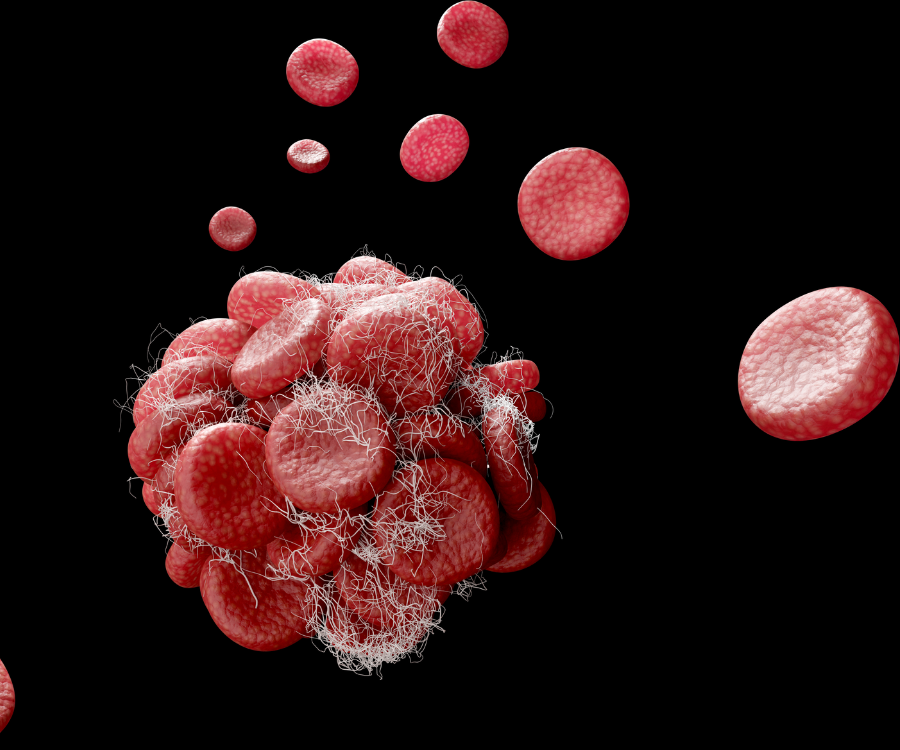
So, how does your blood know when to form a clot and when to keep flowing freely? It all boils down to a complex cascade of events called the coagulation system. Imagine a series of dominoes lined up; a trigger (like an injury) topples the first one, which knocks over the next, and so on. In the clotting system, these dominoes are proteins in your blood, and the final outcome is the formation of a fibrin clot, sealing the wound and preventing excessive bleeding.

Blood clotting tests measure different parts of this cascade. Here are two of the most common ones:

  • Prothrombin Time (PT): This test focuses on the extrinsic pathway, triggered by tissue outside your blood vessels, like when you cut yourself. It assesses how long it takes for a clot to form after adding specific substances to your blood sample.
  • Activated Partial Thromboplastin Time (aPTT): This one looks at the intrinsic pathway, activated by factors within your bloodstream itself. Similar to the PT, it measures clotting time under controlled conditions.

These tests can provide valuable clues to your doctor. A prolonged clotting time (taking longer to clot) might indicate a deficiency in certain clotting factors, which could raise your risk for excessive bleeding. Conversely, a very short clotting time could suggest a higher risk of clots forming unexpectedly.

There’s another test called the D-dimer. This one doesn’t directly measure clotting time, but rather helps detect the breakdown products of clots. A high D-dimer level might suggest the presence of a clot somewhere in your body.

It’s important to remember that these tests are just one piece of the puzzle. Your doctor will consider your medical history, symptoms, and other factors to make a diagnosis.

Thinking of getting a blood clotting test? If you’re experiencing unusual bleeding or bruising, or have a family history of clotting problems, talk to your doctor. They can determine if a blood clotting test is right for you. By understanding these tests and their role in maintaining a healthy balance, you can take charge of your blood health and work with your doctor to minimize risks.

Categories Uncategorized

Keeping It In Check with Thyroid Function Tests

The thyroid gland, a small butterfly-shaped organ in your neck, plays a big role in keeping your body humming. It produces hormones that regulate your metabolism, energy levels, mood, and even heart rate. When your thyroid isn’t functioning properly, it can wreak havoc on these vital processes.

This is where thyroid function tests come in. These simple blood tests can reveal whether your thyroid is underactive (hypothyroidism) or overactive (hyperthyroidism). Early detection and treatment can make a world of difference in managing these conditions and getting you back to feeling your best.

Signs Your Thyroid Might Need Attention

While some people with thyroid problems might not experience any symptoms, others might notice changes like:

  • Unexplained weight gain or loss
  • Fatigue and sluggishness
  • Difficulty sleeping
  • Changes in mood or irritability
  • Hair loss or thinning
  • Sensitivity to cold or heat
  • Irregular periods

The Thyroid Testing Toolbox

There are different types of thyroid function tests, but the most common ones measure:

  • Thyroid-Stimulating Hormone (TSH): This is often the first test done. TSH is produced by the pituitary gland and stimulates the thyroid to produce hormones. A high TSH level might indicate an underactive thyroid, while a low TSH could suggest an overactive one.
  • Free Thyroxine (FT4): This is the main hormone produced by the thyroid. A high FT4 might indicate hyperthyroidism, while a low FT4 could suggest hypothyroidism.
  • Triiodothyronine (T3): This is another thyroid hormone, but it’s often measured along with FT4 for a more complete picture.

In some cases, your doctor might also recommend additional tests to check for thyroid antibodies or assess the size and function of the thyroid gland itself.

Why Testing Matters: Taking Control of Your Health

If you’re experiencing symptoms that could be related to your thyroid, getting tested is crucial. Early detection of thyroid problems allows for prompt treatment, which can significantly improve your quality of life.

Treatment Options: Getting Your Thyroid Back on Track

Treatment for thyroid conditions typically involves medication. For hypothyroidism, medication replaces the hormones your thyroid isn’t producing. For hyperthyroidism, medication helps slow down hormone production.

Living Well with a Thyroid Condition

With proper diagnosis and treatment, most people with thyroid conditions can live healthy and fulfilling lives. Regular checkups and ongoing monitoring with your doctor are essential for managing your thyroid health.

Remember: This blog post is for informational purposes only and shouldn’t substitute for professional medical advice. If you’re concerned about your thyroid health, talk to your doctor.