
Categories Uncategorized

Your Liver: Why You Should Listen to Its Grumbles

The Damage Done: How Alcohol Hurts Your Liver

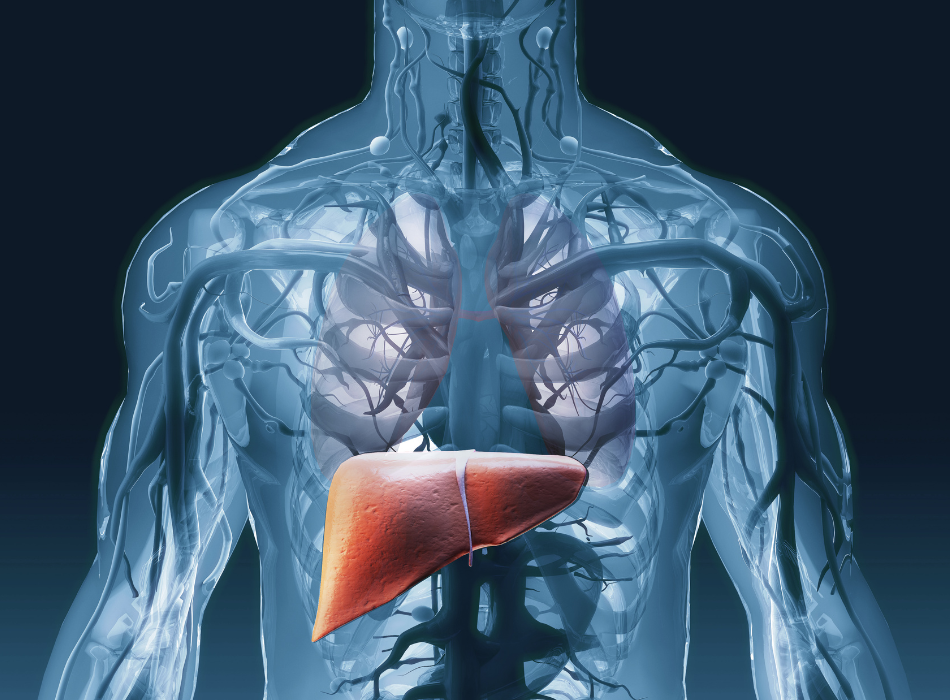
Think of your liver as a giant recycling center for your body. When you drink alcohol, your liver gets to work breaking it down. The problem? This process creates harmful byproducts that can damage liver cells. Over time, this damage can lead to a series of increasingly serious conditions:

  • Fatty Liver: This is the initial stage, where fat builds up in the liver due to alcohol overload. The good news? If you catch it early and ditch the excessive drinking, your liver can usually bounce back.
  • Alcoholic Hepatitis: This is inflammation of the liver, caused by the body’s attempt to repair the damage from alcohol. Symptoms can include fatigue, nausea, and abdominal pain. Early intervention, including stopping drinking, is crucial to prevent further damage.
  • Cirrhosis: This is the most severe stage, where scar tissue replaces healthy liver tissue. This scarring permanently reduces your liver’s function and can lead to liver failure, a life-threatening condition.

Early Detection is Key: The Power of Liver Blood Tests

The scary part about liver damage caused by alcohol is that it often progresses silently, with symptoms only appearing when the damage is significant. This is why liver blood tests are so important. These simple tests can detect abnormalities in your liver function, even in the early stages before symptoms arise.

Here are some of the things a liver blood test can measure:

  • Liver enzymes: Elevated levels of these enzymes can indicate liver damage.
  • Bilirubin: This yellowish pigment, normally processed by the liver, can build up in the bloodstream if your liver isn’t functioning properly.
  • Protein levels: The liver produces certain proteins. Abnormal levels can be a sign of liver problems.

Taking Charge of Your Liver Health

If you’re concerned about your alcohol consumption and its impact on your liver, talk to your doctor. They can recommend a liver blood test as part of a routine check-up. Early detection is key to preventing serious consequences.

Remember, your liver is a vital organ, and you only get one. By being mindful of your alcohol intake and getting regular check-ups, you can empower yourself to keep this silent hero functioning optimally for years to come.
Categories Uncategorized

Know Your Status: STI Blood Testing

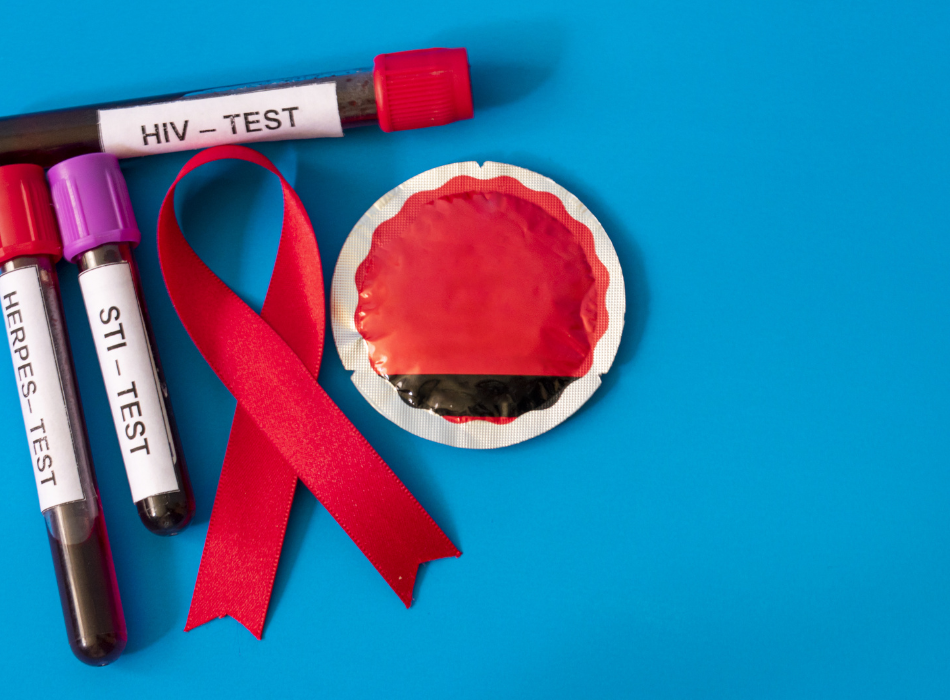
Sexually transmitted infections (STIs) are common, and often don’t cause any symptoms. This can be a double-edged sword: on the one hand, it means you might not know you have an STI, but on the other hand, it means getting tested is crucial for protecting yourself and your partners. Blood testing for STIs is a quick, confidential way to take charge of your sexual health. Here’s why it should be part of your regular wellness routine:

Silent But Serious:

Many STIs, like chlamydia and gonorrhea, can go unnoticed for months or even years. This silent spread can lead to serious health complications down the line, including pelvic inflammatory disease (PID) in women, which can affect fertility, and even certain cancers. Early detection and treatment are key to preventing these complications.

Knowledge is Power:

A positive STI test might sound scary, but it’s actually empowering information. With a diagnosis, you can get the treatment you need to avoid complications and prevent transmission to your partners. Most STIs are easily treatable with antibiotics or other medications.

Protecting Your Partner(s):

STI testing isn’t just about you – it’s about protecting your sexual partners too. By getting tested, you can ensure you’re not unknowingly transmitting an infection. Open communication about STI testing with your partner(s) is essential for maintaining a healthy and responsible sexual relationship.

Testing Options:

There are different types of STI tests available, including blood tests, urine tests, and swab tests. Blood tests are a highly accurate way to detect certain STIs like HIV, syphilis, and hepatitis. Your doctor can advise you on the best testing options based on your individual risk factors and sexual history.

Making Testing Easy:

Many clinics offer confidential and affordable STI testing. You can even get tested at home with rapid test kits for some STIs. There’s no reason to feel embarrassed about getting tested – it’s a responsible choice for your health and the health of your partners.

Prioritizing Prevention:

While STI testing is crucial, prevention is always the best approach. Practicing safe sex with condoms and dental dams significantly reduces the risk of contracting an STI. Open communication with your partner(s) about sexual history and STI testing is vital for maintaining a healthy and safe sex life.

Taking Charge of Your Health:

STI blood testing is a simple step you can take to prioritize your sexual health. It empowers you with knowledge, protects your partners, and allows for early intervention if needed. Remember, taking care of your sexual health is just as important as taking care of your overall well-being. So get informed, get tested, and take charge of your sexual health journey!

Categories Uncategorized

Facing the Unexpected: Common Cancers in Young Adults

Cancer. It’s a word that sends shivers down most spines, and for good reason. But while we often think of it as an older adult’s disease, cancer can strike at any age, including young adulthood (ages 15-39).

The good news? Early detection and treatment are key to successful outcomes, and many young adults diagnosed with cancer go on to live long, fulfilling lives.

So, what are the most common cancers young people face? Here’s a breakdown:

  • Teenage Years (15-19):
    • Thyroid Cancer: This is the most common cancer in this age group, often presenting as a lump in the neck.
    • Lymphoma: Both Hodgkin’s lymphoma and non-Hodgkin’s lymphoma can affect young people, causing swollen lymph nodes, fatigue, and fever.
    • Brain and Central Nervous System Tumors: These can cause headaches, vision problems, and difficulty with balance.
  • Young Adults (20-39):
    • Thyroid Cancer: Still a major player, but other cancers become more prominent.
    • Testicular Cancer: Often presenting as a lump or pain in the testicle, early detection is crucial.
    • Melanoma: The most serious form of skin cancer, this aggressive cancer requires vigilance about suspicious moles.
    • Breast Cancer: Though less common than in older women, breast cancer can still occur in young adults. Pay attention to breast lumps or changes.
    • Other Cancers: Cancers like sarcomas (bone and soft tissue cancers), leukemia, and colorectal cancer can also develop in young adults.

Remember, this is not an exhaustive list. If you experience any persistent, unusual symptoms, don’t hesitate to talk to your doctor. Early detection is the best weapon against cancer.

Here are some additional tips for young adults:

  • Know your family history: A family history of cancer can increase your risk.
  • Maintain a healthy lifestyle: Eat a balanced diet, exercise regularly, and limit alcohol and tobacco use.
  • Practice safe sun habits: Protect your skin from UV rays with sunscreen, clothing, and shade.
  • Be aware of your body: Conduct regular self-exams for breast lumps, testicular abnormalities, and suspicious moles.

By staying informed and proactive, young adults can empower themselves in the fight against cancer.

Categories Uncategorized

How Pathology Drives Personalized Medicine

Imagine a world where medicine isn’t a one-size-fits-all approach. A world where treatments are tailored to your unique biology, maximizing effectiveness and minimizing side effects. This is the promise of personalized medicine, and it all starts with a field you might not expect: pathology.

Pathology: The Detective Work Behind Disease

Pathology is the study of disease at the microscopic level. Pathologists, the detectives of the medical world, analyze tissues, cells, and bodily fluids to diagnose illnesses and understand how they function. But in the age of personalized medicine, their role goes far beyond simply identifying a disease.

The Power of Precision: Pathology Informs Treatment

Pathologists are now armed with an arsenal of advanced tools. Think genetic testing, immunohistochemistry (identifying proteins in tissues), and flow cytometry (analyzing cell populations). These tools allow them to pinpoint the specific characteristics of your disease, down to the molecular level.

This detailed information is the key to unlocking personalized treatment options. For example, in cancer treatment, identifying a specific gene mutation allows doctors to target therapies specifically designed to address that mutation. This leads to more effective treatment with fewer side effects, a win-win for patients.

Beyond Cancer: Personalized Medicine Takes Flight

The impact of pathology in personalized medicine extends far beyond cancer. It’s being used to tailor treatments for autoimmune diseases, where identifying specific immune system imbalances allows for targeted therapies. In cardiovascular disease, pathology helps assess the risk of future complications, allowing doctors to create preventive strategies specific to each patient.

The Future of Personalized Medicine: A Collaborative Effort

Pathology plays a pivotal role in personalized medicine, but it’s a team effort. Pathologists work hand-in-hand with doctors, geneticists, and other specialists to translate their findings into actionable treatment plans. As technology continues to advance, we can expect even more exciting developments in this field.

Personalized medicine holds immense potential to revolutionize healthcare. By understanding the unique pathology of your disease, doctors can create a treatment plan as unique as you are.