
Categories Uncategorized

Your Heart: Listen to What Your Blood is Saying

Your Heart: Listen to What Your Blood is Saying

Maintaining a healthy heart is not just about exercise and diet; it’s also about proactive monitoring. Blood tests offer a valuable window into your cardiovascular health, providing insights that can help prevent or manage heart disease.

Why are heart health blood tests important?

Heart disease is the leading cause of death globally, claiming millions of lives each year. Often, the early stages of heart disease go unnoticed, making regular blood tests crucial for early detection and intervention. These tests can:

  • Identify risk factors: Cholesterol levels, blood sugar, and inflammation markers can reveal your susceptibility to heart disease.
  • Diagnose heart conditions: Specific tests can detect heart attacks, heart failure, and arrhythmias.
  • Monitor treatment: Blood tests help track the effectiveness of medications and lifestyle changes for managing heart disease.

Common heart health blood tests:

  • Lipid panel: Measures cholesterol levels (HDL, LDL, and total) and triglycerides, providing insight into your risk of plaque buildup in arteries.
  • C-reactive protein (CRP): Indicates inflammation in the body, a potential risk factor for heart disease.
  • Blood sugar: High blood sugar levels can damage blood vessels and increase heart disease risk.
  • BNP (B-type natriuretic peptide): Elevated levels suggest heart failure, where the heart struggles to pump blood effectively.
  • Troponin: Detects heart muscle damage, often indicating a heart attack.

Benefits of regular heart health blood tests:

  • Early detection: Identifying risk factors or catching heart disease early allows for prompt treatment, improving outcomes.
  • Preventive measures: Knowing your risk empowers you to adopt healthy lifestyle changes to lower your heart disease risk.
  • Peace of mind: Regular testing can alleviate anxiety and provide reassurance about your heart health.

Talking to your doctor:

Discuss your heart health concerns with your doctor. They will recommend appropriate blood tests based on your individual risk factors and medical history. Remember, regular testing is key, even if you feel healthy.

Taking control of your heart health:

In addition to blood tests, prioritize a heart-healthy lifestyle:

  • Eat a balanced diet rich in fruits, vegetables, and whole grains.
  • Engage in regular physical activity.
  • Maintain a healthy weight.
  • Manage stress.
  • Don’t smoke.
  • Limit alcohol intake.

By prioritizing both preventive measures and proactive monitoring through blood tests, you can take charge of your heart health and live a longer, healthier life.

Remember, your heart is precious. Listen to what your blood is saying, and take action to keep it beating strong!

Additional tips:

  • Encourage your loved ones to get regular heart health blood tests, especially those with a family history of heart disease.
  • Share this blog post with your friends and family to raise awareness about the importance of heart health.
  • Look for reputable online resources and health organizations that provide information about heart health and blood tests.

By working together, we can create a healthier future for everyone’s hearts.

I hope this blog post provides valuable information about heart health blood tests and their benefits. Remember, I am not a medical professional, and this blog post is not intended to be a substitute for professional medical advice. Always consult with your doctor for personalized recommendations regarding your heart health.

Categories Uncategorized

Your Blood: A Crystal Ball for Chronic Disease Prevention?

Your Blood: A Crystal Ball for Chronic Disease Prevention?

Blood tests – those vials of crimson holding more than just your type. They’re like tiny time capsules, packed with information about your inner workings. And guess what? They can be powerful tools for detecting chronic diseases before symptoms even appear. Think of them as a crystal ball for your health, offering a glimpse into potential problems so you can take action early.

But how exactly do blood tests work their magic?

They measure various substances and cells in your blood, like:

  • Blood sugar: High levels can indicate diabetes, allowing for early intervention to prevent complications.
  • Cholesterol: Elevated levels of “bad” cholesterol increase the risk of heart disease and stroke, but proactive lifestyle changes and medication can keep it in check.
  • Thyroid hormones: Imbalances can point to thyroid disorders, impacting metabolism and mood, with early diagnosis leading to effective treatment.
  • Liver enzymes: Elevated levels might suggest liver problems like hepatitis or fatty liver disease, enabling early intervention to prevent further damage.
  • Tumor markers: While not definitive, their presence can raise suspicion for certain cancers, prompting further investigation and potentially life-saving early diagnosis.

Let’s dive deeper into some specific examples:

  • Colorectal cancer: A simple blood test called the FIT (fecal immunochemical test) can detect microscopic amounts of blood in stool, a potential early sign of colon cancer. This can lead to colonoscopies to identify and remove polyps before they turn cancerous.
  • Kidney disease: Elevated levels of creatinine or protein in the blood might indicate early-stage kidney dysfunction. Early detection allows for treatment aimed at slowing disease progression and preventing complications.
  • Autoimmune diseases: Blood tests can detect antibodies associated with conditions like rheumatoid arthritis or lupus, enabling early diagnosis and management to prevent joint damage and other complications.

Remember, early detection is key! Chronic diseases often progress silently, but blood tests can offer a timely warning bell. Regular checkups with your doctor and incorporating these tests into your routine, especially as you age or have risk factors, can make a world of difference.

Here are some bonus tips:

  • Discuss your family history and risk factors with your doctor to determine which tests are most relevant for you.
  • Understand the limitations of blood tests – they’re not always conclusive, but they can be a valuable starting point for further investigation.
  • Don’t let fear of needles deter you! The benefits of early detection far outweigh the discomfort of a prick.

So, embrace the power of your blood! Use it as a tool to empower your health and take control of your future. Share your experiences with blood tests and early detection in the comments below!

Together, let’s unlock the secrets within and build a healthier tomorrow.

Categories Uncategorized

How Donating Saves Lives – and Yours Too!

Your Blood, a Lifesaving Elixir: How Donating Saves Lives – and Yours Too!

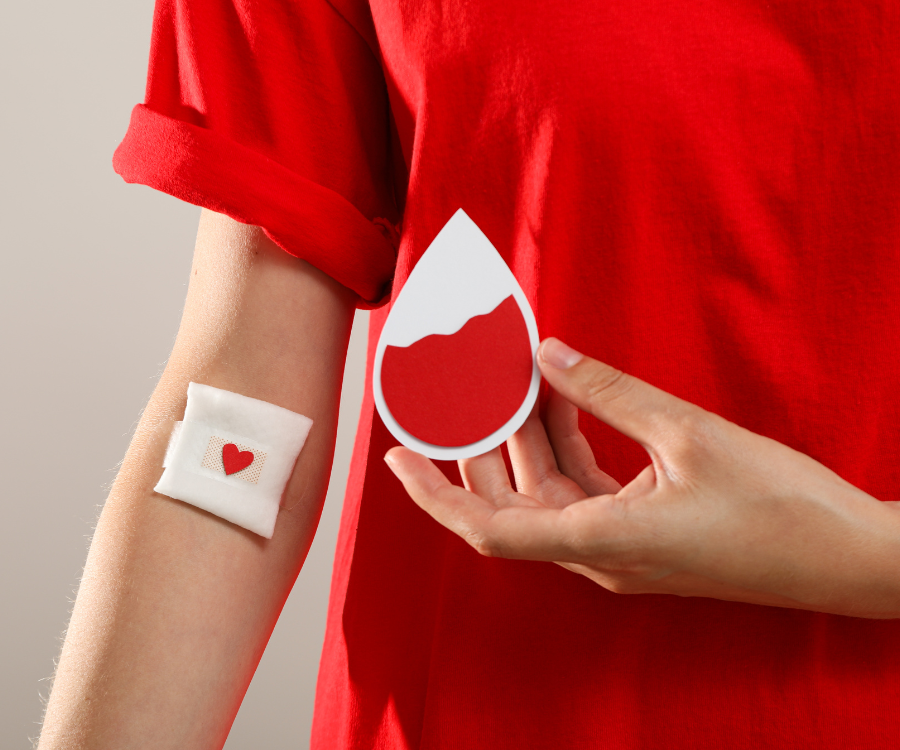
Imagine this: your pint of ice cream has the power to heal wounds, fight cancer, and even deliver a second chance at life. Sounds like a fantastical superhero movie, right? Wrong! This remarkable power lies within each of us, in the very essence of our being – our blood.

Donating blood isn’t just a noble act; it’s a tangible way to be a living superhero, impacting lives in ways you might never know. But beyond the altruistic glow, did you know that donating blood also benefits your own health? Intrigued? Let’s explore the magic behind this life-saving elixir:

Saving Lives with a Pinch:

Blood donations fuel medical miracles. From routine surgeries to transplants, blood products are essential for various life-saving procedures. Imagine being the missing piece in someone’s fight for survival – a hero whose contribution made all the difference.

Boosting Your Own Health:

  • Free mini-physical: Each donation comes with a mini health check. Your iron levels, blood pressure, and even potential infections are screened, giving you a valuable snapshot of your well-being.
  • Reduced risk of heart disease: Regular blood donations (within recommended limits) can stimulate iron production, potentially lowering cholesterol and reducing the risk of cardiovascular issues.
  • Feel-good vibes: The rush of helping others is a potent health booster! Studies show that altruistic acts release endorphins, promoting feelings of happiness and reducing stress.

Becoming a Blood Hero:

  • Eligibility check: Most healthy adults between 17 and 75 can donate blood. Weight and health history factors play a role, so check with your local blood bank for specific guidelines.
  • Donation process: The entire process takes about an hour, with the actual donation lasting just 10-15 minutes. Relax, grab a snack, and enjoy the satisfaction of saving lives!
  • Find a blood bank near you: Websites like DonateBlood.org can connect you with local blood donation centers. Roll up your sleeves and join the movement of life-saving heroes!

So, the next time you feel powerless or insignificant, remember the superhero within. A single pint of your blood, a gift from your own incredible body, can become a lifeline for someone in desperate need. Donate blood, save lives, and discover the unexpected rewards for your own health. Together, let’s turn the hero-fantasy into a life-saving reality, one blood donation at a time!

Categories Uncategorized

Needle Nightmares: Conquering Blood Test Fears for a Healthier You

Needle Nightmares: Conquering Blood Test Fears for a Healthier You

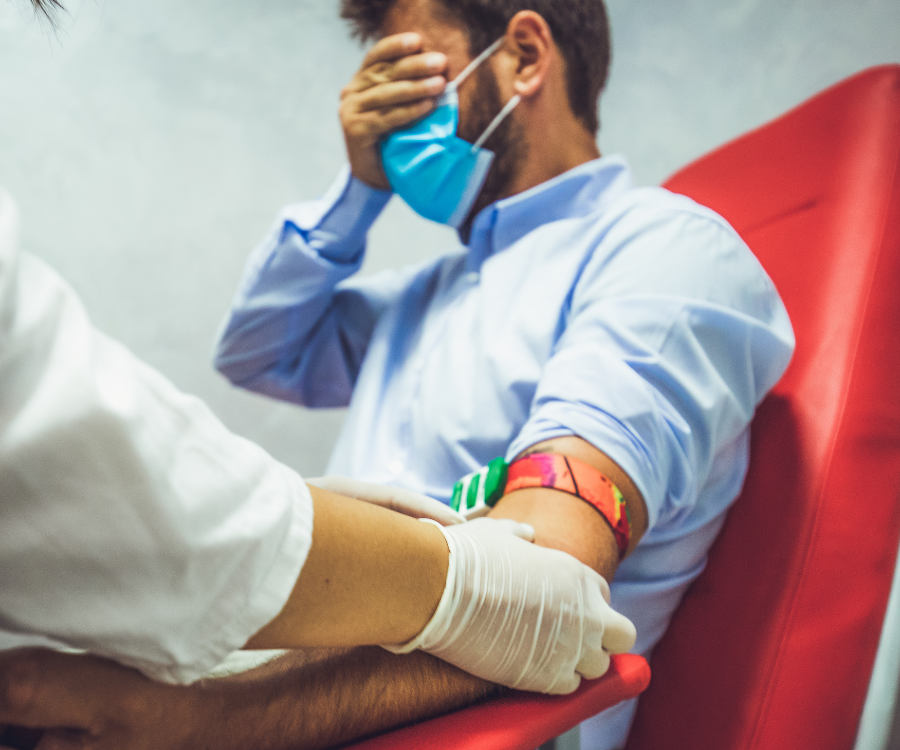
The sight of a syringe can turn even the bravest into jelly. Fear of needles, also known as trypanophobia, affects millions worldwide, and blood tests are often ground zero for this anxiety. But don’t let needle nerves dictate your health! Let’s explore the reasons behind this fear and equip you with tools to face your next blood test with confidence.

Unraveling the Fear Knot:

Why do needles spark such panic? Here are some common culprits:

  • Pain anticipation: The prick and potential discomfort associated with injections trigger the body’s fight-or-flight response, leading to anxiety and even fainting.
  • Blood phobia: Some people experience an aversion to seeing or even thinking about blood, making blood tests doubly daunting.
  • Past trauma: Negative experiences with needles in childhood or previous painful injections can create lasting fear and avoidance.
  • Control issues: The feeling of surrendering control to someone else poking you with a sharp object can fuel anxiety in those who prefer autonomy.

Facing the Fear: From Tremors to Triumph:

Conquering your needle fear takes courage and the right approach:

  • Knowledge is power: Understand the purpose of your blood test. Knowing it can improve your health and prevent future problems can motivate you to overcome your fear.
  • Talk it out: Discuss your anxiety with your doctor or therapist. They can offer support, strategies to manage anxiety, and even explore alternative testing methods if feasible.
  • Distraction tactics: Bring headphones and play calming music, engage in conversation with the nurse, or focus on visualizing a relaxing scene to take your mind off the needle.
  • Squeeze and breathe: Practice relaxation techniques like deep breathing and progressive muscle relaxation to calm your body’s physical response to fear.
  • Positive reinforcement: Reward yourself for facing your fear! Celebrate your success with a small treat or activity you enjoy.

Remember, you’re not alone: Millions share your fear, and many have learned to manage it. Don’t be afraid to seek support and take small steps towards conquering your needle anxieties.

Bonus Tip: Many hospitals and clinics offer “numbing sprays” or distraction techniques like virtual reality headsets to ease needle anxiety. Ask your healthcare provider about available options to make your blood test experience less stressful.

With knowledge, support, and the right tools, you can transform your blood test journey from a fearful ordeal to a confident stride towards better health. Remember, facing your fears paves the way for a healthier, happier you, so take that first deep breath and step into a brighter future, one prick at a time.

#needlephobia #bloodtest #anxiety #fear #healthtips #wellbeing