Categories Uncategorized

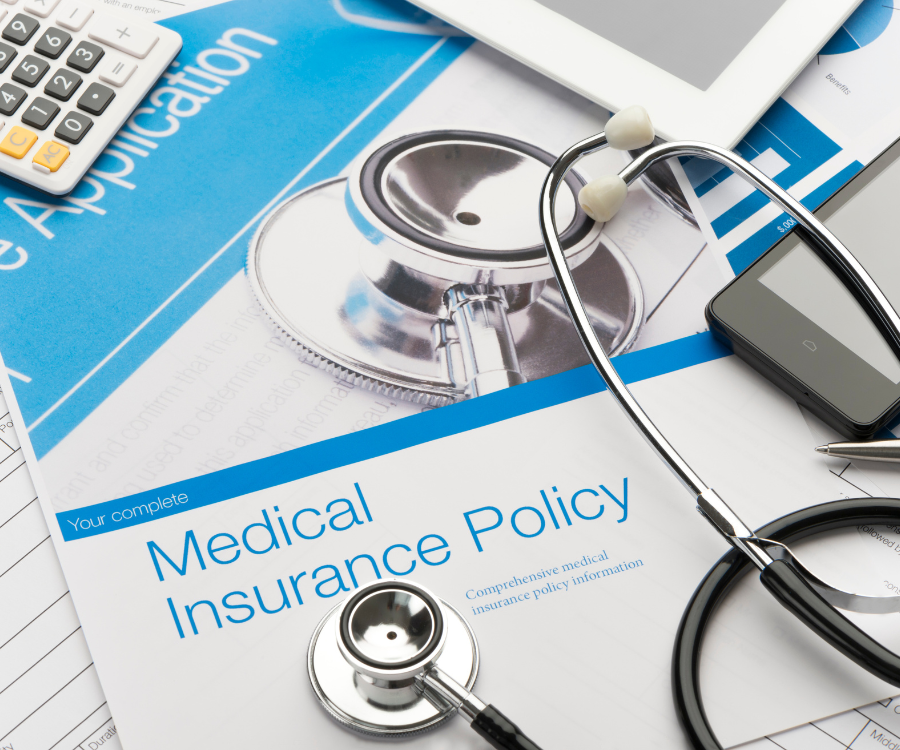
Why Medical Aids in South Africa Should Champion Blood Tests

Beyond Bandages: Why Medical Aids in South Africa Should Champion Blood Tests

In South Africa, where healthcare disparities linger, early detection and preventative measures are crucial for a population facing a rising burden of chronic diseases. And one often overlooked yet powerful tool lies in the simple prick of a finger: the blood test.

Unveiling the Power of a Pinch:

Blood tests offer a window into the body’s hidden landscape, revealing a multitude of health markers:

  • Silent Signals: They can detect silent killers like diabetes, hypertension, and kidney disease before symptoms arise, paving the way for early intervention and improved outcomes.
  • Infection Warriors: From HIV to hepatitis, blood tests identify lurking infections, guiding timely treatment and preventing transmission.
  • Cancer Champions: Early detection through blood tests gives patients and healthcare teams a fighting chance against various cancers, boosting survival rates.
  • Pre-emptive Planning: For individuals with risk factors, blood tests can predict and prevent complications like heart disease or stroke, saving lives and healthcare costs.

Beyond Cost Savings, Investing in Lives:

While medical aids might see blood tests as an initial expense, the long-term benefits speak volumes:

  • Reduced Treatment Costs: Early detection and prevention lower the need for expensive surgeries, hospitalizations, and chronic care later.
  • Improved Health Outcomes: Timely interventions lead to better health outcomes, reducing disability and meningkatkan productivity.
  • Member Loyalty and Trust: Proactive health initiatives through blood tests foster trust and loyalty among members, strengthening the relationship between medical aids and their clients.

Beyond Numbers, A Call to Action:

Encouraging blood tests should go beyond cost-benefit analyses. Medical aids can play a proactive role by:

  • Educational Campaigns: Raise awareness about the importance of blood tests through targeted campaigns, dispelling myths and encouraging preventative measures.
  • Targeted Incentives: Offer financial incentives or reward points for participating in regular blood tests, making them more accessible and appealing.
  • Partnership with Providers: Collaborate with healthcare providers to offer convenient and affordable blood testing options for members.
  • Digital Support: Develop user-friendly platforms for members to track their blood test results and health trends, empowering them to take charge of their well-being.

In a world battling preventable diseases, medical aids in South Africa can become true champions of health by harnessing the power of blood tests. It’s not just about numbers on a screen; it’s about investing in the lives of their members, building a healthier nation, and creating a future where prevention shines brighter than illness.

#medicalaid #southafrica #bloodtests #preventativehealth #earlydetection #wellbeing
Categories Uncategorized

Why Liver Screening Blood Tests are Your Secret Weapon

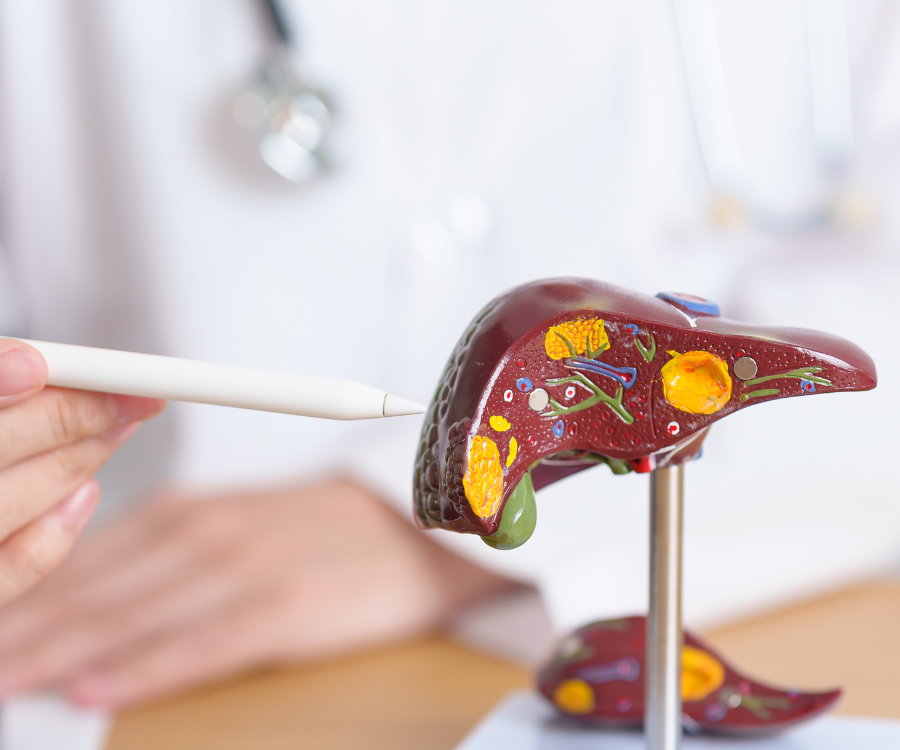
The Silent Sentinel: Why Liver Screening Blood Tests are Your Secret Weapon

Your liver is a silent hero. It filters toxins, produces proteins, and helps digest food, all without a peep. But this tireless worker is vulnerable to damage, often without noticeable symptoms until it’s late. That’s why regular liver screening blood tests are crucial – they act as your early warning system, identifying potential problems before they turn into major trouble.

Why is the liver so important?

Think of your liver as a factory floor churning out vital tasks for your body. It keeps your blood free of toxins, builds proteins like building blocks for your body, and manufactures bile to aid digestion. But this constant workload makes it susceptible to injury from various sources, including:

  • Viruses: Hepatitis A, B, and C can all infect and inflame the liver.
  • Alcohol: Excessive alcohol consumption can damage liver cells.
  • Fatty liver disease: This condition occurs when too much fat builds up in the liver, interfering with its function.
  • Medications: Certain medications can have side effects that harm the liver.
  • Autoimmune diseases: In some cases, the immune system mistakenly attacks the liver cells.

Why are liver screening blood tests important?

The insidious nature of liver disease lies in its silence. Often, you won’t experience symptoms until the damage is significant. That’s why proactive screening through blood tests is vital. These tests, typically a panel of various measurements, assess different aspects of your liver function. Anomalies in these levels can point towards potential problems, allowing for early intervention before serious complications arise.

What do liver screening blood tests check for?

Liver function tests measure various proteins and enzymes released by the liver. Elevated levels of specific markers can indicate different issues, such as:

  • Bilirubin: High levels suggest issues with bile production or flow.
  • Alanine aminotransferase (ALT) and aspartate aminotransferase (AST): Elevated levels indicate liver cell damage.
  • Albumin: Lower levels suggest impaired protein production by the liver.
  • Gamma-glutamyl transferase (GGT): Increased levels may indicate bile duct problems or alcohol abuse.

Who should get liver screening blood tests?

Regular screenings are especially important for individuals at higher risk for liver disease, such as:

  • People with a family history of liver disease
  • Heavy drinkers
  • Individuals with obesity or diabetes
  • Those taking medications known to affect the liver
  • People exposed to hepatitis viruses

Remember, early detection is key!

Liver disease is often reversible with early diagnosis and proper treatment. Regular liver screening blood tests empower you to become an active participant in your health, safeguarding your silent sentinel. Talk to your doctor about whether you should get a liver screening, especially if you fall into any of the high-risk categories. This simple precaution can be your first line of defense against a silent threat, ensuring your liver stays healthy and keeps its vital work going smoothly.

By prioritizing liver health and embracing the power of preventive screening, you can give your silent hero the support it deserves.

Additional tips:

  • Maintain a healthy weight through balanced diet and exercise.
  • Limit alcohol consumption.
  • Avoid sharing personal items like razors or toothbrushes that could transmit hepatitis.
  • Discuss all medications you take with your doctor to assess potential liver risks.

Take care of your liver, and it will take care of you!

Categories Uncategorized


Blood on the Line: Why Regular Testing Keeps Miners Protected

Blood on the Line: Why Regular Testing Keeps Miners Protected

Beneath the earth, in the dark embrace of mines, toil men and women whose labor fuels our world. But their work comes at a cost, a silent threat that lurks in the air they breathe, the dust they swallow. To combat this hidden danger, a crucial defense stands guard: regular blood testing.

The Invisible Foe: Occupational Hazards in the Mine

Mining exposes workers to a cocktail of harmful substances, each posing its own insidious threat:

  • Dust: Silica dust, the main culprit, scars lungs, leading to debilitating silicosis, a condition with no cure.
  • Metals: Lead, arsenic, and cadmium can accumulate in the bloodstream, wreaking havoc on organs and causing long-term health problems.
  • Gases: Radon, a silent radioactive gas, increases lung cancer risk, while carbon monoxide can disrupt oxygen flow, jeopardizing vital functions.

Early Warning: The Power of Bloodwork

Regular blood testing acts as a vigilant sentry, monitoring these hidden enemies before they inflict lasting damage. Here’s how:

  • Silica exposure: Blood tests can detect early signs of silicosis, allowing proactive measures like respirator upgrades or job changes to prevent irreversible lung damage.
  • Metal levels: Monitoring blood metals like lead and arsenic allows intervention before they reach toxic levels, protecting vital organs like kidneys and the nervous system.
  • Kidney function: Early detection of kidney damage caused by heavy metals or dehydration is crucial for preventing kidney failure.
  • Anemia: Iron deficiency, common among miners due to blood loss or poor diet, can be identified and treated to ensure optimal oxygen delivery.

Beyond Detection: Proactive Health Management

Blood testing isn’t just about sounding the alarm. It empowers miners and healthcare professionals to:

  • Track trends: Monitoring changes in blood markers over time helps assess exposure levels and tailor preventive measures.
  • Early intervention: Detecting health issues early allows for prompt treatment and management, minimizing long-term health consequences.
  • Personalized care: Individual health profiles informed by bloodwork guide personalized approaches to health and safety in the mine.

A Shield for Every Shift: Making Regular Testing a Priority

Regular blood testing isn’t just a medical requirement; it’s a lifeline for miners, a proactive shield against the silent threats of their work. By making consistent testing a priority, we ensure these vital workers continue to power our world, protected from the dangers that lurk beneath the surface.

Remember: This blog post is for informational purposes only and should not be taken as medical advice. Always consult a healthcare professional for any health concerns.

Categories Uncategorized

Blood Testing Myths: Debunking Common Misconceptions


Blood Testing Myths: Debunking Common Misconceptions

Blood testing is a vital tool in healthcare, providing valuable information about your overall health and potential underlying conditions. However, many myths and misconceptions surround this routine procedure, causing unnecessary anxiety and confusion. Let’s debunk some of the most common myths and shed light on the facts:

Myth: Fasting is always required for blood tests.

Fact: This is only true for certain tests, such as those measuring blood sugar levels or cholesterol. Many tests, including those checking for thyroid function or vitamin levels, do not require fasting. Always follow your doctor’s specific instructions regarding fasting before a blood test.

Myth: Blood tests are painful.

Fact: While the prick of the needle may cause a momentary pinch, most people describe the discomfort as minimal. Modern needles are very thin and designed to minimize pain. Additionally, topical numbing creams can be applied to further reduce discomfort.

Myth: Blood tests can transmit diseases.

Fact: Modern blood collection practices are extremely safe and follow strict hygiene protocols. Disposable needles and sterile equipment are used to eliminate the risk of infection.

Myth: You shouldn’t exercise before a blood test.

Fact: Moderate exercise generally does not affect most blood test results. However, strenuous exercise shortly before a test can impact certain measurements, such as blood sugar levels. It’s best to consult your doctor if you have concerns.

Myth: Having a cold or flu disqualifies you from a blood test.

Fact: Minor illnesses like a cold or flu usually don’t affect most blood test results. However, certain conditions or medications may require rescheduling the test. Inform your doctor about any recent illness or medications you are taking.

Myth: Blood tests can reveal your entire health picture.

Fact: While blood tests provide valuable information, they offer only a snapshot of your health at a specific point in time. Additional tests and medical evaluation may be needed to diagnose or monitor certain conditions.

Myth: Drinking water before a blood test dilutes your blood.

Fact: Drinking moderate amounts of water before a blood test does not significantly dilute your blood and usually has no effect on the results. However, excessive water intake can dilute urine samples, so it’s best to follow your doctor’s instructions.

The Takeaway:

Understanding the facts about blood testing can alleviate anxiety and ensure you receive accurate results. Always consult your doctor for specific instructions and guidance before your test. Remember, blood testing is a valuable tool for maintaining your health and well-being. Don’t hesitate to ask questions and be proactive in your healthcare journey.