
The Importance of Blood Tests During Pregnancy
Introduction
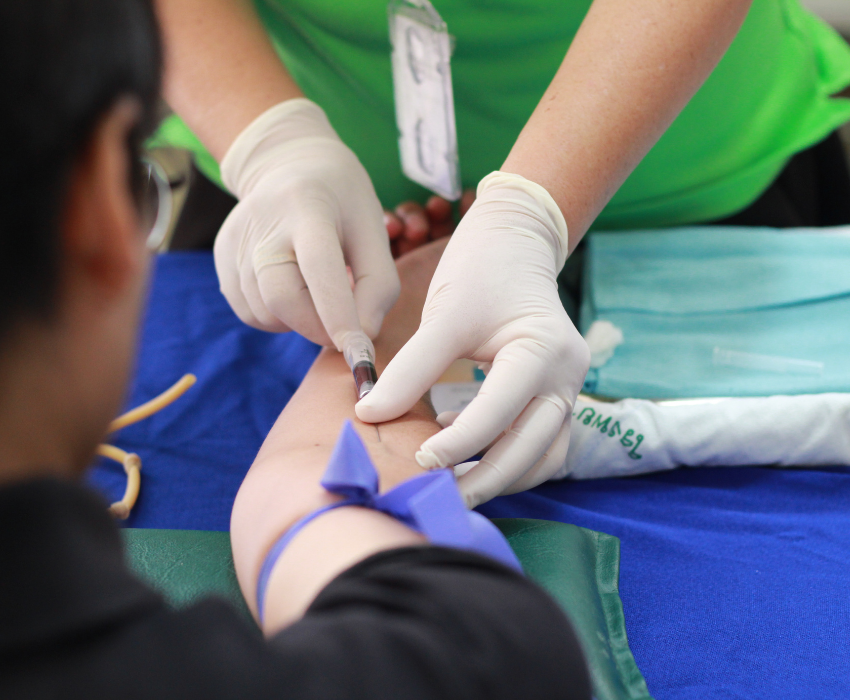
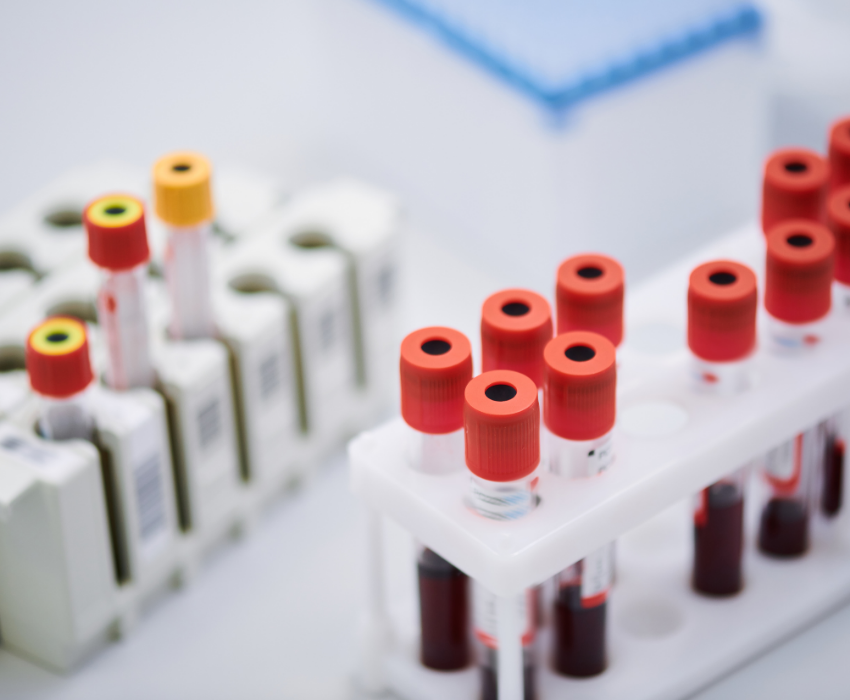
Pregnancy is a beautiful and transformative time in a woman’s life. Ensuring the health and well-being of both the mother and the growing fetus is of paramount importance. One crucial aspect of prenatal care is the regular administration of blood tests. In this blog post, we will delve into the reasons why pregnant women undergo a series of blood tests throughout their pregnancy journey.
- Baseline Health Assessment
The initial blood tests conducted during early pregnancy serve as a baseline assessment of the mother’s overall health. These tests evaluate factors like blood type, Rh factor, and any existing health conditions. Understanding these baseline parameters helps healthcare providers tailor their care to meet the specific needs of the mother and baby.
- Screening for Genetic Conditions
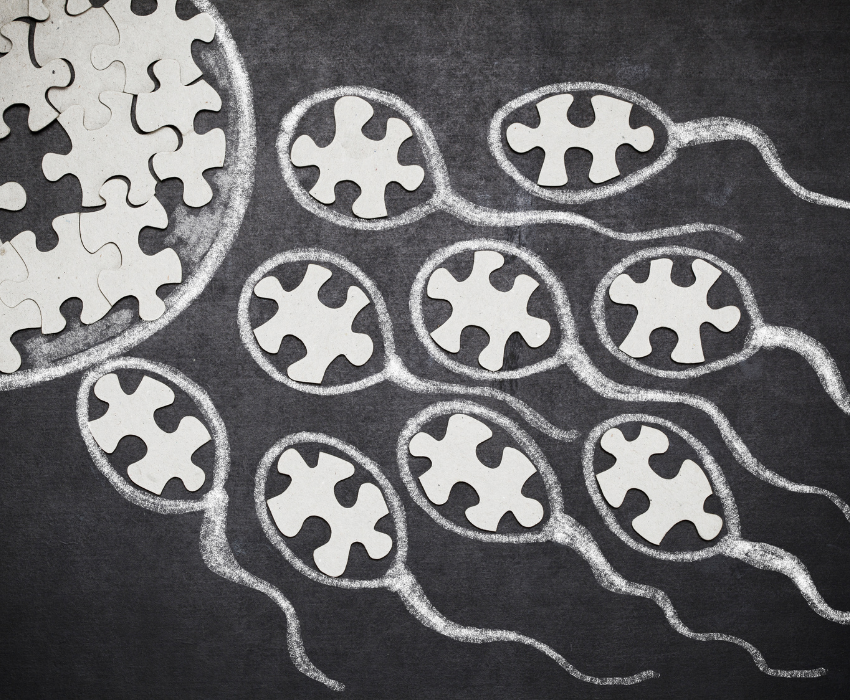
Certain blood tests, such as the first-trimester screening and the quad screen, are designed to assess the risk of genetic disorders like Down syndrome, trisomy 18, and neural tube defects. Early detection allows for timely intervention and preparation for any special care that may be required after birth.
- Monitoring Iron Levels
Anemia, or low iron levels, is a common concern during pregnancy. Regular blood tests track hemoglobin and iron levels, ensuring that the mother’s body can produce enough red blood cells to support both her and the developing fetus.
- Checking for Gestational Diabetes
Around the 24th to 28th week of pregnancy, women are screened for gestational diabetes through a glucose tolerance test. This condition, if left untreated, can pose risks to both the mother and the baby. Timely diagnosis allows for proper management through diet, exercise, or medication.
- Rhogam Administration for Rh-Negative Women
Rh factor incompatibility can lead to complications in subsequent pregnancies. Rh-negative women receive a blood test to determine their Rh status. If the mother is Rh-negative and the baby is Rh-positive, Rhogam injections are administered to prevent any potential complications.
- Assessing Thyroid Function
Hormonal changes during pregnancy can affect thyroid function. Blood tests monitor levels of thyroid-stimulating hormone (TSH) to ensure that the thyroid gland is functioning optimally. Proper thyroid function is crucial for both the mother’s well-being and the baby’s brain development.
- Screening for Sexually Transmitted Infections (STIs)
Certain STIs can be transmitted from mother to baby during childbirth. Blood tests screen for infections like HIV, syphilis, and hepatitis B, allowing for appropriate medical interventions to reduce the risk of transmission.
Conclusion
The numerous blood tests conducted during pregnancy serve as invaluable tools for safeguarding the health of both the mother and the growing fetus. Through early detection and monitoring, healthcare providers can address any potential issues promptly, ensuring a smoother pregnancy journey. Embracing these tests as a crucial component of prenatal care is a proactive step towards the well-being of both mother and child.