
Categories Uncategorized

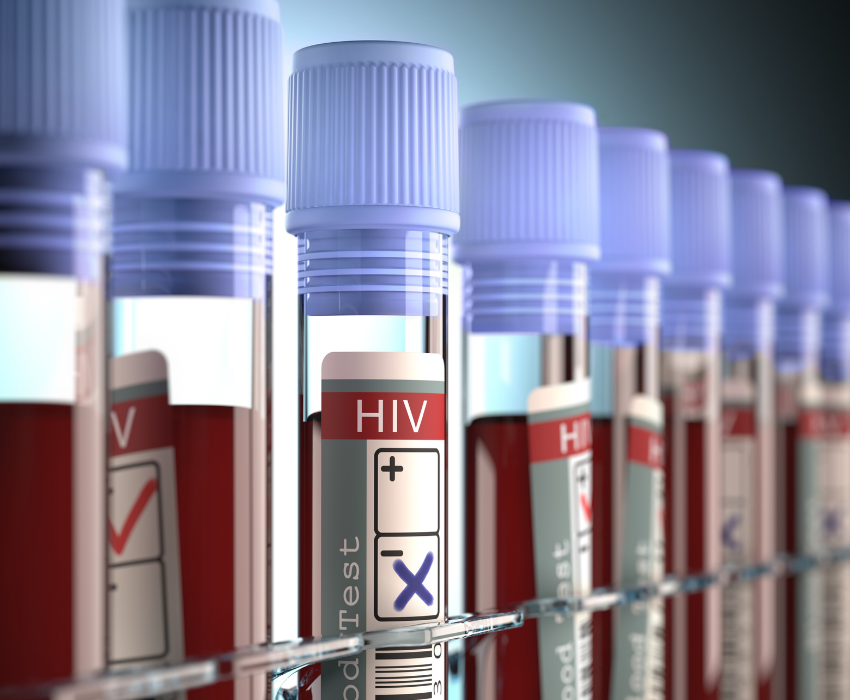
The Role of Blood Testing in HIV Management

The Role of Blood Testing in HIV Management

Introduction

In the realm of healthcare, early detection and effective management of conditions like HIV are paramount. At Path 24, we’re dedicated to providing cutting-edge pathology services, including HIV management blood testing. In this article, we’ll delve into the significance of blood testing in HIV management and share vital global statistics about this condition. Trust Path 24 to be your partner in taking proactive steps towards a healthier, happier life.

Understanding HIV Management

HIV (Human Immunodeficiency Virus) is a global health concern, requiring careful management. Here are some key global statistics:

  1. Prevalence: According to UNAIDS, approximately 37.7 million people were living with HIV in 2020, and there were 680,000 AIDS-related deaths worldwide.
  2. Treatment and Care: As of 2020, around 27.4 million people living with HIV had access to antiretroviral therapy (ART), a significant increase from previous years.
  3. New Infections: In 2020, an estimated 1.5 million people were newly infected with HIV globally.
  4. Challenges: Stigma, discrimination, and access to healthcare remain significant challenges in the global fight against HIV.

The Significance of HIV Management Blood Testing

Blood testing plays a critical role in the management of HIV. Here’s why it’s crucial:

  1. Viral Load Monitoring: Blood tests measure the amount of HIV in the bloodstream, known as the viral load. This helps determine the effectiveness of treatment and guides adjustments if needed.
  2. CD4 Cell Count: Another crucial parameter assessed through blood testing is the CD4 cell count. A higher count indicates a stronger immune system.
  3. Detecting Drug Resistance: Blood tests can identify any drug-resistant strains of the virus, allowing for the adjustment of treatment plans to ensure their effectiveness.
  4. Monitoring Overall Health: Blood tests also provide insights into other aspects of health, such as liver function and cholesterol levels, which can be affected by HIV and its treatment.

Path 24: Your Trusted Partner in Pathology Services

At Path 24, we’re dedicated to advancing healthcare through state-of-the-art pathology services. Our experienced team and cutting-edge technology ensure the highest quality results. When you choose Path 24, you’re choosing excellence in healthcare.

Conclusion

Early detection and effective management are pivotal in navigating HIV. Through HIV management blood testing, individuals can take control of their health and make informed decisions. At Path 24, we’re committed to providing top-tier pathology services to support individuals in their journey towards a healthier, more vibrant life. Take the first step with Path 24.


Categories Uncategorized

Arthritis Blood Testing

A Vital Step Towards Early Detection and Management

Introduction

Arthritis, a widespread condition affecting millions globally, can be a debilitating experience for those living with it. Early detection is paramount for effective management, and one of the most powerful tools in achieving this is arthritis blood testing. In this article, we’ll explore the significance of blood testing in arthritis diagnosis and share eye-opening global statistics about this prevalent condition. At Path 24, we’re committed to providing cutting-edge pathology services, including state-of-the-art arthritis blood testing, to empower individuals in their journey towards a pain-free life.

Understanding Arthritis

Arthritis encompasses a diverse range of over 100 different conditions, with osteoarthritis and rheumatoid arthritis being the most common. Here are some key global statistics:

  1. Prevalence: The World Health Organization estimates that over 300 million people worldwide suffer from some form of arthritis, making it a substantial global health concern.
  2. Types of Arthritis: Osteoarthritis, often associated with wear and tear, affects more than 32 million adults in the United States alone. Rheumatoid arthritis, an autoimmune condition, affects approximately 1.5 million Americans.
  3. Economic Impact: Arthritis exerts a significant economic burden, costing the U.S. economy an estimated $303.5 billion annually in medical expenses and lost earnings.
  4. Demographics: Arthritis is not limited to the elderly; it affects people of all ages, including children. Women are more commonly affected, constituting nearly 60% of arthritis patients.

The Crucial Role of Blood Testing

Blood testing plays a pivotal role in the early detection and management of arthritis. Here’s why:

  1. Identification of Biomarkers: Certain biomarkers found in blood, such as C-reactive protein (CRP) and rheumatoid factor (RF), can indicate the presence of inflammation, a hallmark of many types of arthritis.
  2. Differential Diagnosis: Blood tests assist in distinguishing between various types of arthritis, providing invaluable information for tailored treatment plans.
  3. Disease Progression Monitoring: Regular blood tests enable healthcare providers to monitor disease activity, allowing for adjustments to treatment strategies as needed.
  4. Facilitating Early Intervention: Detecting arthritis in its early stages through blood testing can lead to more effective and less aggressive treatment approaches, potentially slowing down disease progression.

Path 24: Your Partner in Arthritis Blood Testing

At Path 24, we understand the critical role that timely and accurate testing plays in managing arthritis. Our state-of-the-art facilities, seasoned team, and unwavering dedication to cutting-edge technology ensure that you receive results of the highest quality. By choosing Path 24, you’re choosing excellence in pathology services.

Conclusion

Arthritis is a pervasive condition with a significant global impact. Early detection is crucial, and blood testing stands as a powerful tool in achieving this. At Path 24, we’re committed to providing top-tier pathology services, including advanced arthritis blood testing, to support individuals in their quest for a pain-free life. Don’t let arthritis hinder your quality of life—take the first step towards early detection and effective management with Path 24.

Categories Uncategorized

Fun Facts About Blood Tests

As routine as blood tests may seem, there’s a lot more to these simple yet powerful diagnostic tools than meets the eye. Blood tests play a crucial role in modern medicine, providing valuable insights into a person’s health and helping healthcare providers diagnose and treat various conditions. But did you know that there are some fun and fascinating facts about blood tests? In this blog post, we’ll delve into the intriguing world of blood tests and uncover some interesting facts that you may not know!

  1. Your Blood Can Reveal Your DNA: Blood tests can provide a wealth of information about your genetic makeup. Through a process called DNA testing, blood samples can be analyzed to reveal your unique genetic code. This information can help identify genetic disorders, determine your ancestry, and even predict your risk for certain diseases.
  2. Blood Tests Have Been Around for Centuries: While modern blood tests have advanced significantly in recent years, the concept of blood testing has been around for centuries. The ancient Egyptians were known to use blood samples to diagnose illnesses as far back as 1600 BCE. In the 19th century, the invention of the microscope led to further advancements in blood testing, paving the way for the modern blood tests we use today.
  3. Blood Tests Can Measure Your Hormone Levels: Blood tests can provide insight into your hormonal health. Hormones are chemical messengers in the body that regulate various processes, such as metabolism, mood, and reproductive function. Blood tests can measure hormone levels, such as estrogen, testosterone, and thyroid hormones, helping healthcare providers diagnose hormonal imbalances and determine appropriate treatments.
  4. Blood Tests Can Detect Nutrient Deficiencies: Blood tests can reveal if you’re lacking essential nutrients. For example, blood tests can measure levels of vitamins, minerals, and other nutrients in your blood, indicating if you have deficiencies that may impact your overall health. This information can guide dietary changes or supplementation to ensure you’re getting the nutrients your body needs.
  5. Blood Tests Can Help Detect Infectious Diseases: Blood tests can identify the presence of infectious diseases in your body. For example, blood tests can detect antibodies or antigens that indicate the presence of viral or bacterial infections, such as HIV, hepatitis, or Lyme disease. Early detection through blood tests can enable prompt treatment and prevent the spread of infectious diseases.
  6. Blood Tests Can Monitor Your Organ Function: Blood tests can assess the health and function of your organs. For instance, liver function tests and kidney function tests are common blood tests that can evaluate the performance of these vital organs. Blood tests can provide important information about the health of your organs and help detect any potential issues.
  7. Blood Tests Are Relatively Painless: Despite the fear of needles, blood tests are generally considered relatively painless. The needle used for blood tests is usually small, and the discomfort is usually minimal and short-lived. The benefits of the information obtained from blood tests far outweigh the temporary discomfort of the procedure.

In conclusion, blood tests are fascinating diagnostic tools that provide valuable insights into our health. From revealing our DNA to detecting nutrient deficiencies, monitoring organ function, and identifying infectious diseases

Categories Uncategorized

Blood Tests During Pregnancy

Pregnancy is a special time in a woman’s life, filled with joy, anticipation, and sometimes, uncertainty. Expecting mothers often prioritize their physical health during pregnancy, and one important aspect of this is getting regular blood tests. Blood tests are essential tools for monitoring the health of both the mother and the developing fetus. In this blog post, we will explore the key benefits of getting blood tests done during pregnancy and why they are crucial for the health of expectant mothers and their babies.

  1. Early Detection of Health Issues: Blood tests during pregnancy can detect potential health issues early on, allowing for prompt intervention and treatment. For example, routine blood tests can monitor blood sugar levels, iron levels, and thyroid function, all of which can affect the health of the mother and the fetus. Early detection of conditions such as gestational diabetes, anemia, and thyroid disorders can lead to better health outcomes for both the mother and the baby.
  2. Identifying Risk Factors: Blood tests can also identify risk factors that may affect the pregnancy or the baby’s health. For example, blood tests can detect genetic abnormalities, infections, and autoimmune disorders that can cause complications during pregnancy. Identifying these risk factors early on can help healthcare providers take appropriate measures to ensure a healthy pregnancy and delivery.
  3. Tailored Prenatal Care: Blood tests can provide valuable information that can guide healthcare providers in developing a tailored prenatal care plan. For example, if blood tests show low iron levels, the provider may recommend iron supplements to prevent anemia. Similarly, if blood tests show elevated blood sugar levels, the provider may recommend dietary changes or medication to manage gestational diabetes. Personalized prenatal care based on blood test results can optimize the health of the mother and the baby.
  4. Monitoring Fetal Health: Blood tests during pregnancy can also monitor the health of the developing fetus. For example, certain blood tests can screen for neural tube defects, Down syndrome, and other chromosomal abnormalities. Blood tests can also detect infections that can affect the fetus, such as cytomegalovirus and toxoplasmosis. Regular blood tests can ensure that the baby is developing healthily and can detect any potential issues that may require further evaluation or treatment.
  5. Peace of Mind: Regular blood tests during pregnancy can provide peace of mind for expectant mothers. Knowing that their health and the health of their baby are being monitored can alleviate anxiety and provide reassurance. Blood test results can empower expectant mothers to take proactive steps towards maintaining their health and ensuring a healthy pregnancy and delivery.

In conclusion, blood tests during pregnancy are essential for monitoring the health of both the mother and the developing fetus. Regular blood tests can detect potential health issues, identify risk factors, guide personalized prenatal care, monitor fetal health, and provide peace of mind for expectant mothers. If you’re pregnant, talk to your healthcare provider about getting regular blood tests to ensure a healthy pregnancy and delivery. Your health and the health of your baby are worth it.