Blood on the Line: Why Regular Testing Keeps Miners Protected
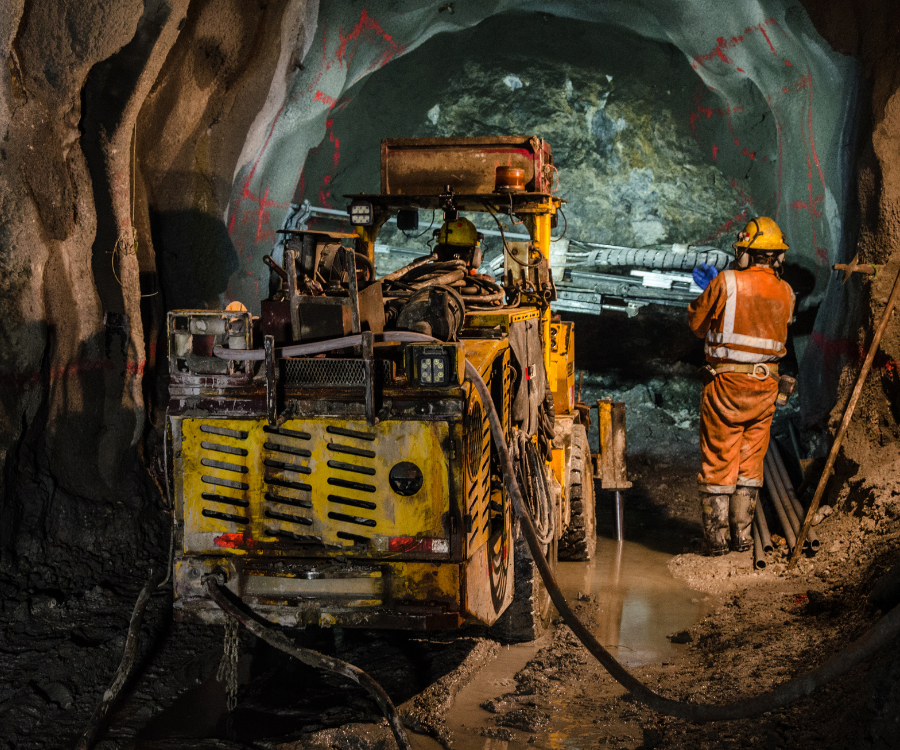
Beneath the earth, in the dark embrace of mines, toil men and women whose labor fuels our world. But their work comes at a cost, a silent threat that lurks in the air they breathe, the dust they swallow. To combat this hidden danger, a crucial defense stands guard: regular blood testing.
The Invisible Foe: Occupational Hazards in the Mine
Mining exposes workers to a cocktail of harmful substances, each posing its own insidious threat:
- Dust: Silica dust, the main culprit, scars lungs, leading to debilitating silicosis, a condition with no cure.
- Metals: Lead, arsenic, and cadmium can accumulate in the bloodstream, wreaking havoc on organs and causing long-term health problems.
- Gases: Radon, a silent radioactive gas, increases lung cancer risk, while carbon monoxide can disrupt oxygen flow, jeopardizing vital functions.
Early Warning: The Power of Bloodwork
Regular blood testing acts as a vigilant sentry, monitoring these hidden enemies before they inflict lasting damage. Here’s how:
- Silica exposure: Blood tests can detect early signs of silicosis, allowing proactive measures like respirator upgrades or job changes to prevent irreversible lung damage.
- Metal levels: Monitoring blood metals like lead and arsenic allows intervention before they reach toxic levels, protecting vital organs like kidneys and the nervous system.
- Kidney function: Early detection of kidney damage caused by heavy metals or dehydration is crucial for preventing kidney failure.
- Anemia: Iron deficiency, common among miners due to blood loss or poor diet, can be identified and treated to ensure optimal oxygen delivery.
Beyond Detection: Proactive Health Management
Blood testing isn’t just about sounding the alarm. It empowers miners and healthcare professionals to:
- Track trends: Monitoring changes in blood markers over time helps assess exposure levels and tailor preventive measures.
- Early intervention: Detecting health issues early allows for prompt treatment and management, minimizing long-term health consequences.
- Personalized care: Individual health profiles informed by bloodwork guide personalized approaches to health and safety in the mine.
A Shield for Every Shift: Making Regular Testing a Priority
Regular blood testing isn’t just a medical requirement; it’s a lifeline for miners, a proactive shield against the silent threats of their work. By making consistent testing a priority, we ensure these vital workers continue to power our world, protected from the dangers that lurk beneath the surface.
Remember: This blog post is for informational purposes only and should not be taken as medical advice. Always consult a healthcare professional for any health concerns.