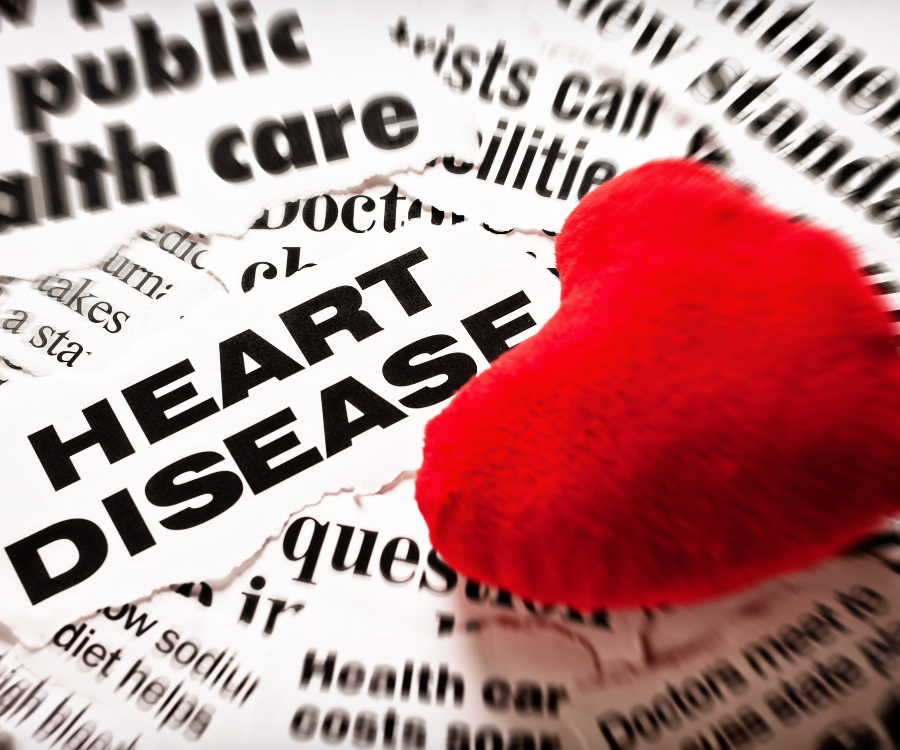
Heart disease remains a leading cause of concern worldwide. The good news? Taking charge of your heart health is within reach. Regular checkups and screenings play a vital role in early detection and prevention. One key tool in this process? Blood tests for heart disease risk assessment.
Understanding Your Bloodwork:
Blood tests offer a window into your body’s internal workings. For heart disease risk assessment, doctors typically order a lipid panel, a comprehensive cholesterol check. This panel measures:
- Total Cholesterol: This is the sum of all cholesterol in your blood. A high number indicates potential trouble.
- LDL Cholesterol (often called “bad” cholesterol): This sticky substance builds up in arteries, narrowing them and increasing heart disease risk.
- HDL Cholesterol (often called “good” cholesterol): This cholesterol acts like a scavenger, removing LDL particles from your arteries.
- Triglycerides: Another type of fat in the blood, high levels can contribute to heart disease.
Beyond Cholesterol: Other Bloodwork Insights
While the lipid panel is crucial, other blood tests can provide additional clues about heart health:
- C-Reactive Protein (CRP): This inflammatory marker can signal increased risk, even with normal cholesterol levels.
- Homocysteine: Elevated homocysteine levels might be a risk factor, although research is ongoing.
What do the Numbers Mean?
Interpreting your bloodwork results is best done with your doctor. They’ll consider your individual health picture, including:
- Age
- Family history of heart disease
- Lifestyle habits like smoking and diet
- Existing health conditions like diabetes or high blood pressure
Taking Action for a Healthy Heart
Based on your bloodwork and overall risk assessment, your doctor might recommend:
- Lifestyle changes: Prioritizing a healthy diet, regular exercise, and stress management are essential for heart health.
- Medications: Cholesterol-lowering drugs or medications to manage other risk factors might be prescribed.
Remember: Blood tests are a starting point, not a definitive answer. A healthy lifestyle remains the cornerstone of heart disease prevention. Talk to your doctor about your risk factors and create a personalized plan to keep your heart happy and strong.
Empower Yourself with Knowledge
Schedule regular checkups and discuss your heart health with your doctor. By understanding your bloodwork and taking proactive steps, you can significantly reduce your risk of heart disease and live a long, healthy life.