
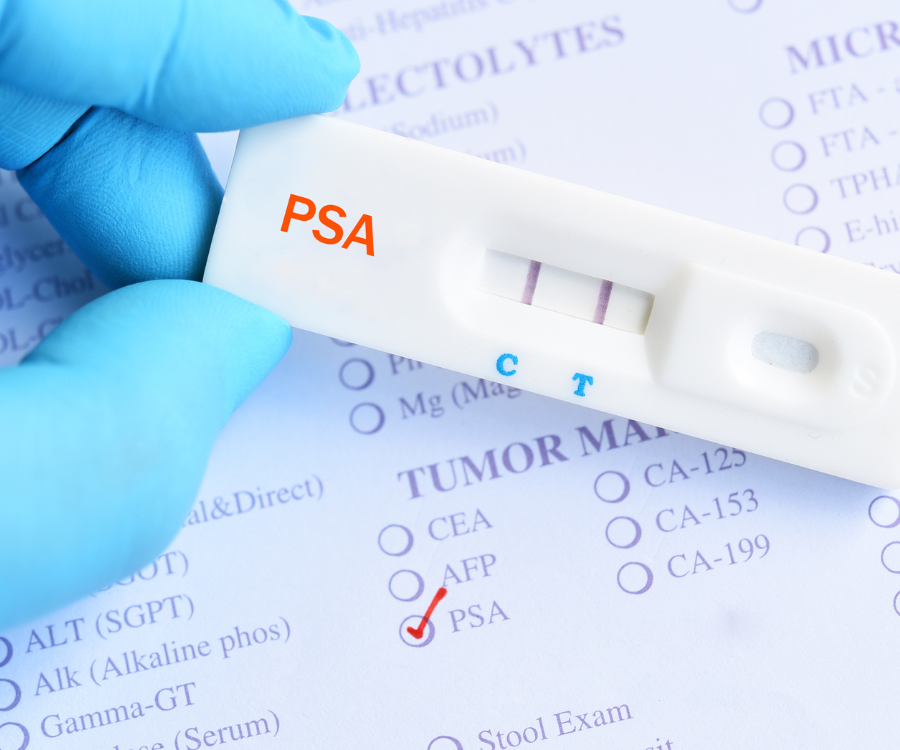
Prostate cancer is a silent threat. In its early stages, it often presents no symptoms, making it incredibly dangerous. However, there’s a powerful weapon in our arsenal against this disease: the Prostate-Specific Antigen (PSA) blood test. While not a definitive diagnostic tool on its own, understanding its role can literally be a lifesaver.
What Exactly is a PSA Test?
The PSA test is a blood test that measures the level of prostate-specific antigen in your blood. PSA is a protein produced by both normal and cancerous cells in the prostate gland. It’s important to remember that a high PSA level doesn’t automatically mean you have cancer. Other factors, like an enlarged prostate (BPH), prostate infection, or even recent vigorous exercise, can also elevate PSA levels.
Why is This Simple Test So Important?
The real power of the PSA test lies in its ability to detect potential prostate problems early. When prostate cancer is caught in its localized stage, before it has spread to other parts of the body, the chances of successful treatment are significantly higher. Early detection can mean:
- More Treatment Options: Localized prostate cancer often has a wider range of effective treatment options, including surgery, radiation therapy, and active surveillance.
- Better Outcomes: Early intervention dramatically improves the odds of a full recovery and a longer, healthier life.
- Reduced Risk of Aggressive Cancer: Detecting prostate cancer when it’s still small and confined can prevent it from progressing into a more aggressive and difficult-to-treat form.
Who Should Consider a PSA Test?
Guidelines for PSA testing can vary, and it’s crucial to have a discussion with your doctor to determine what’s right for you. Generally, consider discussing PSA testing if you are:
- Age 50 or older: This is the general age at which discussions about prostate cancer screening often begin.
- Age 40-45 and have a family history of prostate cancer: If your father or brother had prostate cancer at an early age, your risk might be higher.
- Of African descent: African men have a higher risk of developing prostate cancer and at an earlier age.
What Happens if My PSA is High?
A high PSA reading is not a diagnosis of cancer, but rather a signal for further investigation. Your doctor may recommend:
- Repeat PSA test: To see if the levels remain elevated or have changed.
- Digital Rectal Exam (DRE): A physical examination of the prostate.
- Further imaging: Such as an MRI of the prostate.
- Prostate biopsy: If other tests indicate a strong suspicion of cancer, a biopsy is necessary to confirm the diagnosis.
The Bottom Line: Be Proactive About Your Health
Don’t wait for symptoms to appear. By then, prostate cancer may have advanced. A simple conversation with your doctor about the PSA blood test can be a crucial step in safeguarding your health and potentially saving your life. It’s an easy, relatively inexpensive test that offers invaluable insights into your prostate health.
Talk to your doctor today about whether a PSA test is right for you. Your future health could depend on it.