
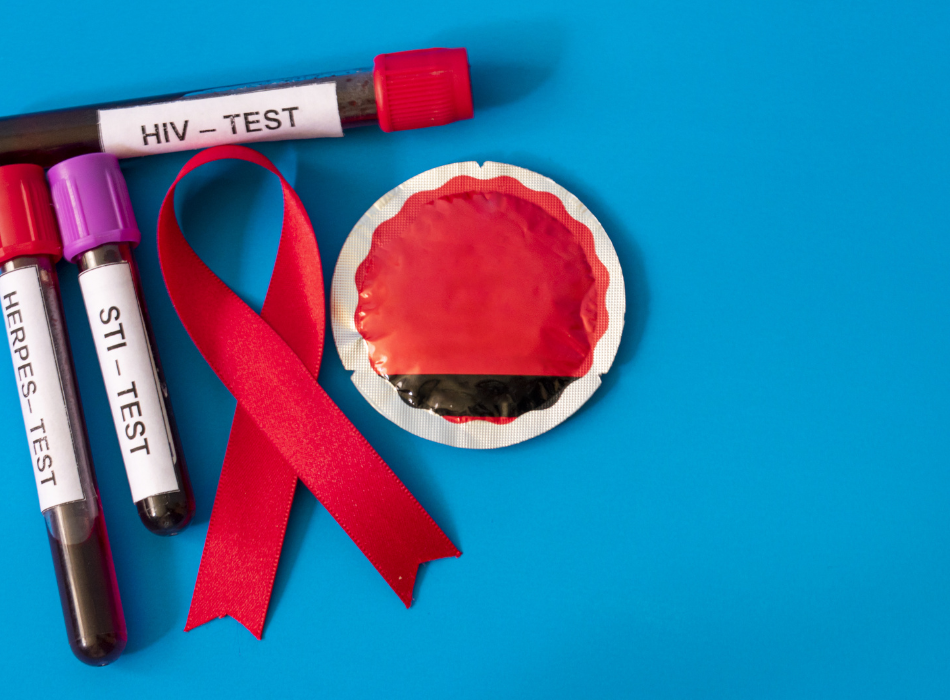
Sexually transmitted infections (STIs) are common, and often don’t cause any symptoms. This can be a double-edged sword: on the one hand, it means you might not know you have an STI, but on the other hand, it means getting tested is crucial for protecting yourself and your partners. Blood testing for STIs is a quick, confidential way to take charge of your sexual health. Here’s why it should be part of your regular wellness routine:
Silent But Serious:
Many STIs, like chlamydia and gonorrhea, can go unnoticed for months or even years. This silent spread can lead to serious health complications down the line, including pelvic inflammatory disease (PID) in women, which can affect fertility, and even certain cancers. Early detection and treatment are key to preventing these complications.
Knowledge is Power:
A positive STI test might sound scary, but it’s actually empowering information. With a diagnosis, you can get the treatment you need to avoid complications and prevent transmission to your partners. Most STIs are easily treatable with antibiotics or other medications.
Protecting Your Partner(s):
STI testing isn’t just about you – it’s about protecting your sexual partners too. By getting tested, you can ensure you’re not unknowingly transmitting an infection. Open communication about STI testing with your partner(s) is essential for maintaining a healthy and responsible sexual relationship.
Testing Options:
There are different types of STI tests available, including blood tests, urine tests, and swab tests. Blood tests are a highly accurate way to detect certain STIs like HIV, syphilis, and hepatitis. Your doctor can advise you on the best testing options based on your individual risk factors and sexual history.
Making Testing Easy:
Many clinics offer confidential and affordable STI testing. You can even get tested at home with rapid test kits for some STIs. There’s no reason to feel embarrassed about getting tested – it’s a responsible choice for your health and the health of your partners.
Prioritizing Prevention:
While STI testing is crucial, prevention is always the best approach. Practicing safe sex with condoms and dental dams significantly reduces the risk of contracting an STI. Open communication with your partner(s) about sexual history and STI testing is vital for maintaining a healthy and safe sex life.
Taking Charge of Your Health:
STI blood testing is a simple step you can take to prioritize your sexual health. It empowers you with knowledge, protects your partners, and allows for early intervention if needed. Remember, taking care of your sexual health is just as important as taking care of your overall well-being. So get informed, get tested, and take charge of your sexual health journey!