
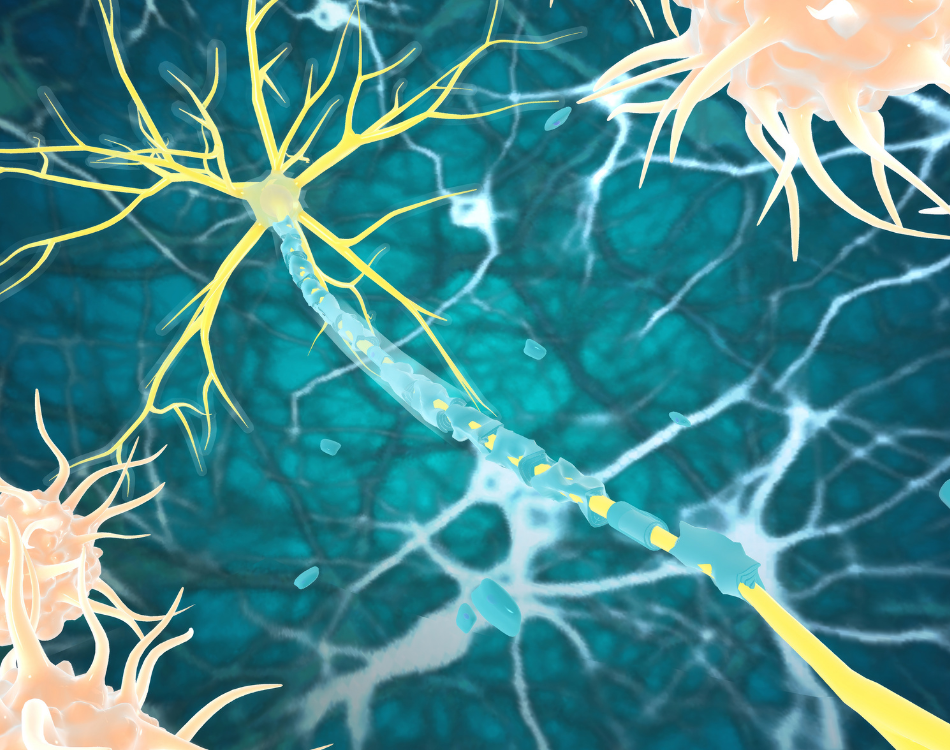
Imagine a hidden world of medical puzzles – diseases so uncommon, their symptoms a confusing labyrinth for doctors. This is the reality of rare diseases, affecting millions globally. But within this challenge lies a powerful tool: pathology. Let’s delve into the intricate world of rare diseases and explore how pathology sheds light on diagnosis and management.
The Baffling Labyrinth of Rare Diseases
Unlike common illnesses, rare diseases often present with a confusing array of symptoms. A chronic cough could be allergies, asthma, or something entirely different. This ambiguity makes diagnosis a frustrating odyssey for both patients and doctors.
The Illuminating Power of Pathology
This is where pathology steps in, acting as a medical detective. Pathologists examine tissues and cells under microscopes, searching for microscopic clues. They run specialized tests to identify abnormal proteins, genetic mutations, or unique patterns that might point towards a specific rare disease.
Challenges in the Rare Disease Landscape
However, diagnosing rare diseases through pathology has its hurdles.
- Limited Knowledge Base: Due to the rarity, there might be limited information about the disease’s specific pathology. This makes identifying the culprit a challenge.
- Finding the Right Test: Not all pathology tests are created equal. Choosing the most appropriate test for a suspected rare disease requires a deep understanding of the potential culprits and access to specialized techniques.
- The Importance of Collaboration: Rare disease diagnosis often benefits from a collaborative approach. Pathologists work closely with geneticists, clinicians, and researchers to piece together the puzzle.
Navigating the Path to Better Management
Despite the challenges, pathology plays a crucial role in managing rare diseases. By identifying the specific cause, doctors can tailor treatment plans and monitor the disease’s course. This personalized approach can significantly improve a patient’s quality of life.
The Beacon of Hope: Advancing Research
Pathology also plays a vital role in advancing research on rare diseases. Tissue and cell samples from diagnosed cases become invaluable resources for researchers. By studying these samples, scientists can unlock the mysteries of the disease, leading to the development of better diagnostic tools and potential treatments.
Shining a Light on Rare Diseases
Rare diseases may be complex, but pathology offers a powerful tool for unraveling their mysteries. Through continued research and collaboration, pathologists are paving the way for a brighter future for patients with these challenging conditions.