
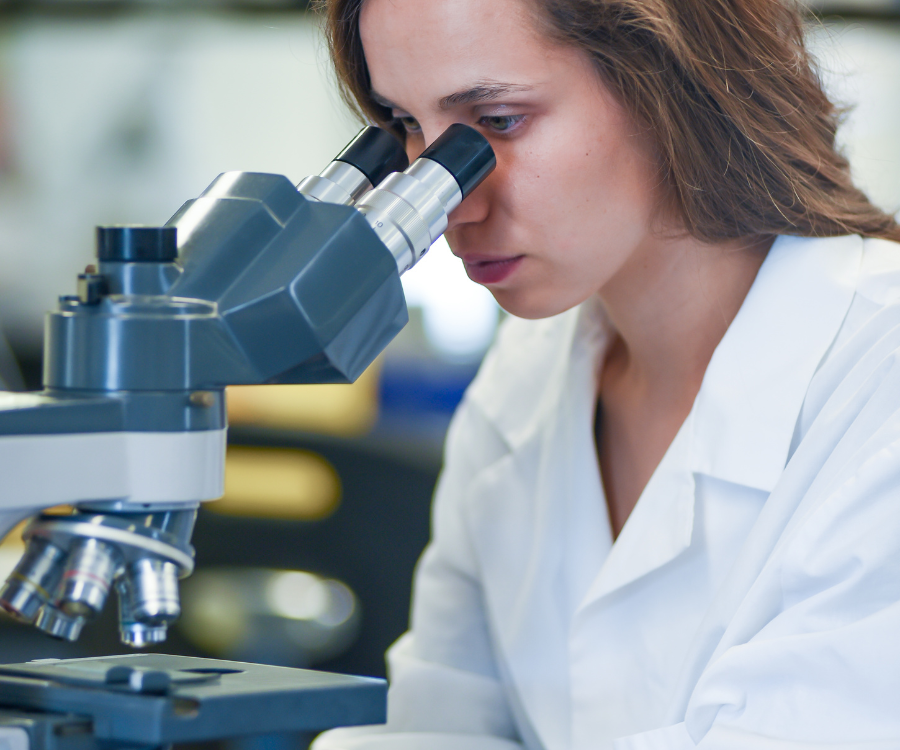
Precision medicine, a healthcare approach that tailors treatments to individual patients based on their genetic makeup, is revolutionizing the medical field. At the forefront of this transformative trend are pathologists, whose expertise in diagnosing diseases through the examination of tissues and cells is indispensable.
Pathology: The Cornerstone of Precision Medicine
Pathologists play a critical role in precision medicine by:
- Identifying Genetic Mutations: By analyzing tissue samples, pathologists can detect genetic mutations that predispose individuals to certain diseases or influence their response to specific treatments.
- Classifying Tumors: Accurate tumor classification is essential for determining the most effective treatment options. Pathologists use advanced techniques, such as immunohistochemistry and molecular testing, to classify tumors based on their molecular characteristics.
- Monitoring Disease Progression: Pathologists monitor disease progression by examining tissue samples collected before, during, and after treatment. This information helps physicians evaluate the effectiveness of therapies and adjust treatment plans as needed.
The Future of Pathology in Precision Medicine
As technology continues to advance, pathologists are increasingly leveraging innovative techniques to enhance their role in precision medicine. Some notable developments include:
- Liquid Biopsies: Liquid biopsies, which involve analyzing circulating tumor cells or DNA in blood, offer a less invasive alternative to traditional tissue biopsies. Pathologists are playing a key role in developing and interpreting liquid biopsy tests.
- Artificial Intelligence: AI-powered algorithms are being used to assist pathologists in tasks such as image analysis and diagnosis. This technology can help improve accuracy and efficiency, especially in cases with complex or rare diseases.
- Personalized Medicine: Pathologists are working closely with other healthcare professionals to develop personalized treatment plans based on a patient’s unique genetic profile. This approach holds great promise for improving patient outcomes and reducing healthcare costs.
In conclusion, pathologists are essential contributors to the field of precision medicine. Their expertise in diagnosing diseases and analyzing tissue samples provides valuable insights that inform treatment decisions. As technology continues to evolve, pathologists will undoubtedly play an even more critical role in shaping the future of healthcare.