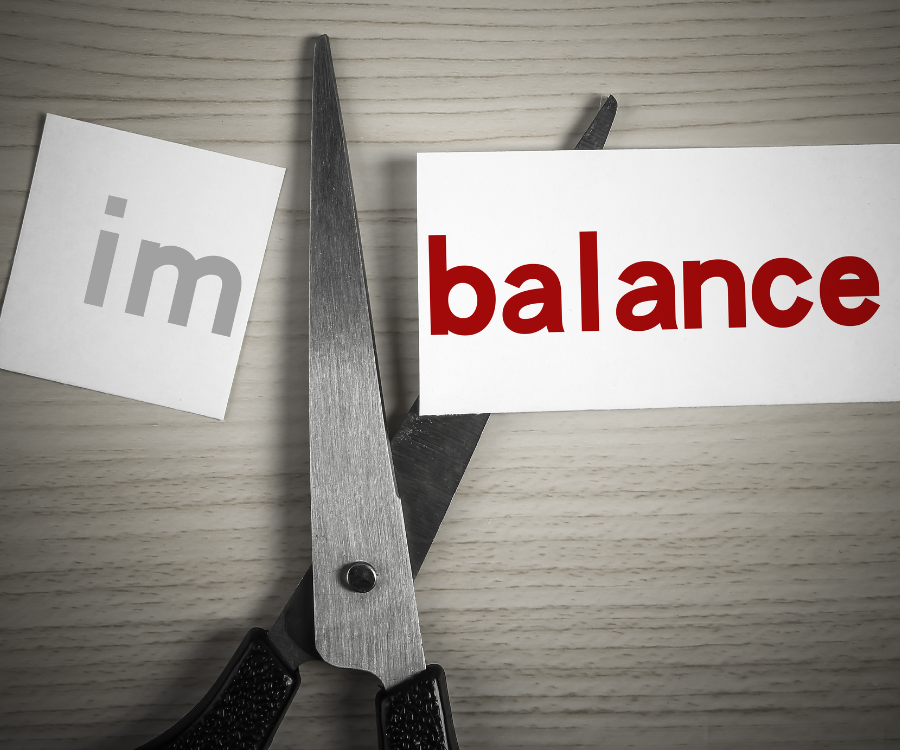
Hormonal imbalances can disrupt our bodies in significant ways, causing a range of symptoms from fatigue and weight gain to mood swings and irregular periods. When seeking medical help, blood tests are often a crucial tool for diagnosing these imbalances. Let’s delve into the common blood tests used to assess hormonal health.
Key Blood Tests for Hormonal Imbalances
- Thyroid Hormone Tests:
- Thyroid-Stimulating Hormone (TSH): Measures how hard your pituitary gland is working to stimulate your thyroid.
- T3 (Triiodothyronine) and T4 (Thyroxine): These are the main thyroid hormones that regulate metabolism.
- Free T3 and Free T4: These are the active forms of T3 and T4 that circulate in your blood.
- Sex Hormone Tests:
- Estrogen: The primary female sex hormone, involved in reproduction and other bodily functions.
- Progesterone: Another female sex hormone, essential for pregnancy and menstrual cycles.
- Testosterone: The primary male sex hormone, but also present in females.
- Follicle-Stimulating Hormone (FSH) and Luteinizing Hormone (LH): These hormones regulate ovulation and menstrual cycles in females and sperm production in males.
- Adrenal Hormone Tests:
- Cortisol: A stress hormone that regulates blood sugar, blood pressure, and immune function.
- DHEA (Dehydroepiandrosterone): A precursor to testosterone and estrogen.
- Insulin and Glucose Tests:
- Insulin: A hormone that helps regulate blood sugar levels.
- Glucose: A simple sugar that is the primary source of energy for cells.
When to Consider Blood Tests
If you’re experiencing symptoms such as:
- Weight gain or loss
- Fatigue
- Mood swings
- Irregular periods
- Hair loss
- Skin changes
- Sexual dysfunction
It’s a good idea to consult with a healthcare provider to discuss potential hormonal imbalances. They may recommend blood tests to assess your hormone levels.
Remember: Blood tests are just one piece of the puzzle. Your healthcare provider will consider your symptoms, medical history, and other factors when making a diagnosis and treatment plan.