
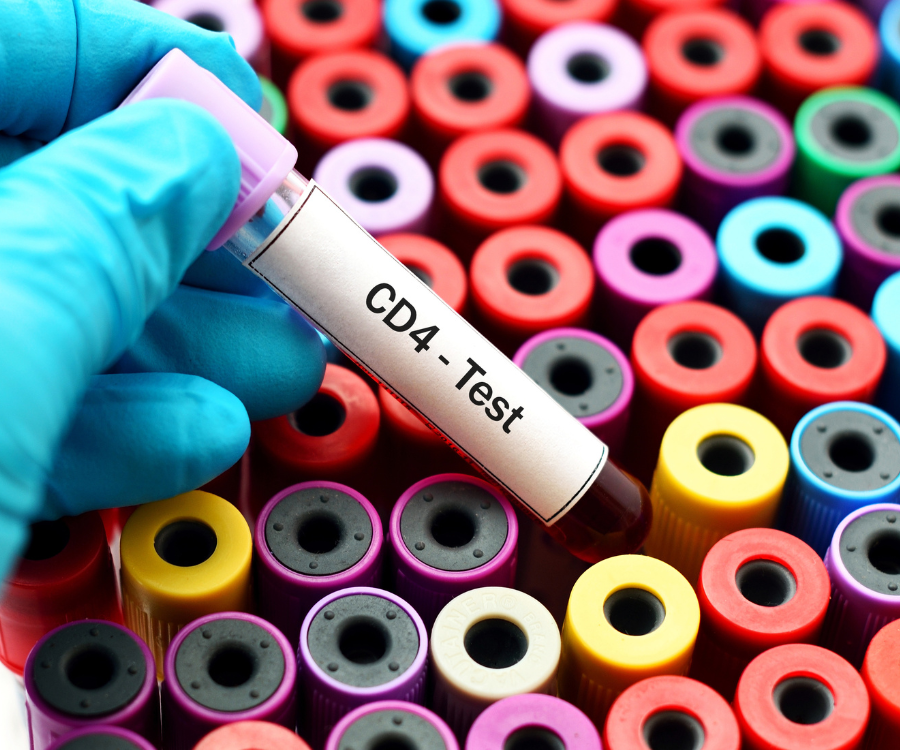
Living with HIV requires proactive management, and regular blood tests play a crucial role in maintaining health and preventing disease progression. Among these tests, the CD4 count stands out as a key indicator of immune system health. This blog post will delve into the significance of CD4 counts in HIV management and how blood testing helps individuals live healthier lives.
What is a CD4 Count?
CD4 cells, also known as T-helper cells, are white blood cells that play a vital role in the immune system. They help coordinate the immune response to fight off infections. HIV specifically targets and destroys CD4 cells, weakening the immune system over time. A CD4 count measures the number of CD4 cells in a sample of blood, providing a snapshot of the immune system’s strength.
Why is CD4 Count Important for HIV Management?
The CD4 count is a crucial marker for several reasons:
- Assessing Immune System Health: A higher CD4 count generally indicates a stronger immune system. As HIV progresses and CD4 cells decline, the risk of opportunistic infections (infections that take advantage of a weakened immune system) increases.
- Monitoring HIV Progression: Tracking CD4 counts over time helps monitor the progression of HIV infection. A significant drop in CD4 count may indicate the need for adjustments in treatment.
- Guiding Treatment Decisions: CD4 counts help healthcare providers determine when to start or adjust antiretroviral therapy (ART). ART helps to suppress HIV replication, allowing the immune system to recover and CD4 counts to increase.
- Diagnosing AIDS: A CD4 count below 200 cells/mm³ is one of the criteria used to diagnose AIDS (Acquired Immunodeficiency Syndrome), the most advanced stage of HIV infection.
How is CD4 Count Measured?
CD4 count is measured through a simple blood test. The test is typically performed in a healthcare setting, and the results are usually available within a few days. Regular CD4 count monitoring is recommended for people living with HIV, typically every 3-6 months, or as advised by their healthcare provider.
Managing HIV with CD4 Count Monitoring and ART
With the advent of effective ART, HIV is now a manageable chronic condition. Regular CD4 count monitoring, along with viral load testing (which measures the amount of HIV in the blood), helps healthcare providers assess the effectiveness of treatment and make necessary adjustments.
Key aspects of HIV management include:
- Regular Monitoring: Consistent monitoring of CD4 count and viral load is essential to track treatment progress and identify any potential issues.
- Adherence to ART: Taking ART medications as prescribed is crucial for suppressing HIV and maintaining a healthy CD4 count.
- Healthy Lifestyle: Maintaining a healthy lifestyle through proper nutrition, exercise, and avoiding smoking and excessive alcohol consumption can further support immune health.
Conclusion
CD4 count is a vital tool in HIV management, providing valuable insights into immune system health and guiding treatment decisions. Regular blood testing and adherence to ART are key to maintaining a healthy CD4 count, preventing opportunistic infections, and living a long and fulfilling life with HIV. If you are living with HIV, work closely with your healthcare provider to monitor your CD4 count and ensure you are receiving the best possible care.