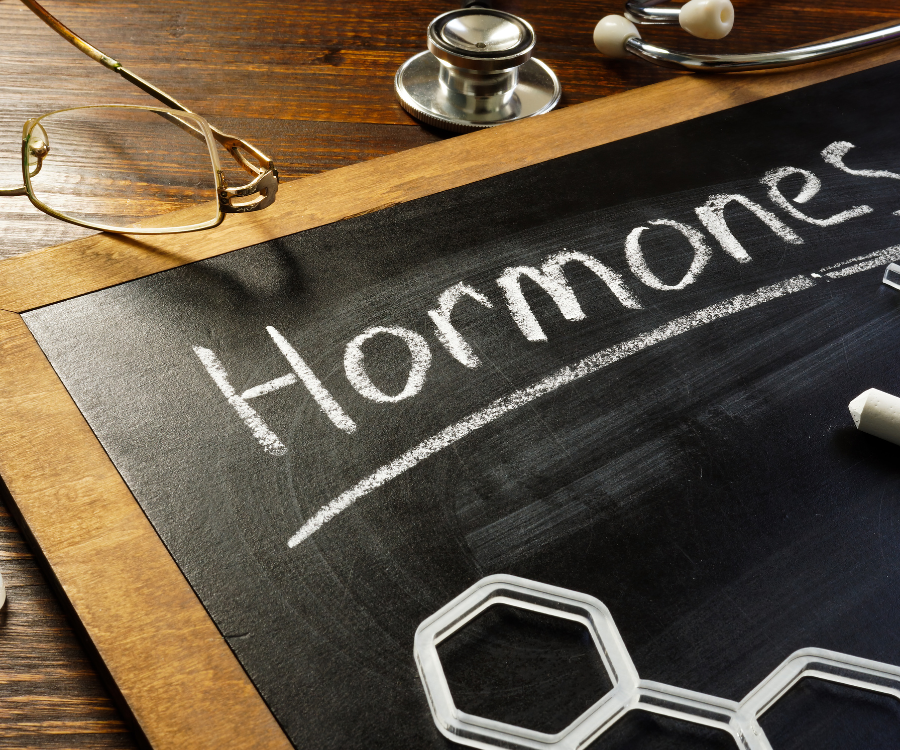
Hormones are the unsung heroes of our bodies, silently orchestrating everything from growth and development to mood and metabolism. While there are countless hormones working behind the scenes, four stand out for their significant impact on our overall health and well-being: cortisol, testosterone, estrogen, and progesterone.
Cortisol: The Stress Hormone
Often referred to as the “stress hormone,” cortisol plays a crucial role in our body’s response to stress. It helps regulate blood sugar levels, blood pressure, and immune function. While essential for survival, chronic stress can lead to elevated cortisol levels, which can have negative consequences on your health.
- Symptoms of high cortisol: weight gain, difficulty sleeping, weakened immune system, mood swings, and high blood pressure.
- Symptoms of low cortisol: fatigue, dizziness, low blood pressure, and salt cravings.
Testosterone: The Male Sex Hormone
Although primarily associated with men, testosterone is also present in women. In men, it’s responsible for the development of male sex characteristics, muscle mass, and bone density. In women, it contributes to libido, energy levels, and bone health.
- Symptoms of low testosterone in men: decreased libido, erectile dysfunction, fatigue, mood swings, and decreased muscle mass.
- Symptoms of low testosterone in women: decreased libido, low energy, difficulty concentrating, and bone loss.
Estrogen: The Female Sex Hormone
Estrogen is the primary female sex hormone responsible for the development of female sex characteristics, regulating the menstrual cycle, and supporting bone health. It also plays a role in mood, libido, and energy levels.
- Symptoms of low estrogen: hot flashes, night sweats, vaginal dryness, mood swings, and difficulty sleeping.
- Symptoms of high estrogen: breast tenderness, bloating, weight gain, and irregular periods.
Progesterone: The Pregnancy Hormone
While progesterone is often associated with pregnancy, it’s essential for both men and women. In women, it helps prepare the uterus for pregnancy, supports the pregnancy, and regulates the menstrual cycle. In men, it helps produce testosterone.
- Symptoms of low progesterone: irregular periods, infertility, PMS, and breast tenderness.
- Symptoms of high progesterone: fatigue, breast tenderness, bloating, and mood swings.
It’s important to note that hormone levels can fluctuate naturally due to factors such as age, stress, diet, and lifestyle. If you’re experiencing persistent symptoms related to hormone imbalance, it’s essential to consult with a healthcare professional for proper diagnosis and treatment.
Disclaimer: This blog post is intended for informational purposes only and should not be considered medical advice. Always consult with a healthcare professional for any health concerns.