Categories Uncategorized

Interpreting Liver Function Test Results

Understanding Your Liver Function Test Results: A Patient’s Guide

The liver is a powerhouse organ, silently working behind the scenes to keep us healthy. One way doctors assess its function is through a liver function test (LFT). This blood test measures various enzymes, proteins, and bilirubin levels that can indicate potential problems. But receiving your results can be confusing. Let’s break down what those numbers mean and how to interpret them.

What’s Included in an LFT?

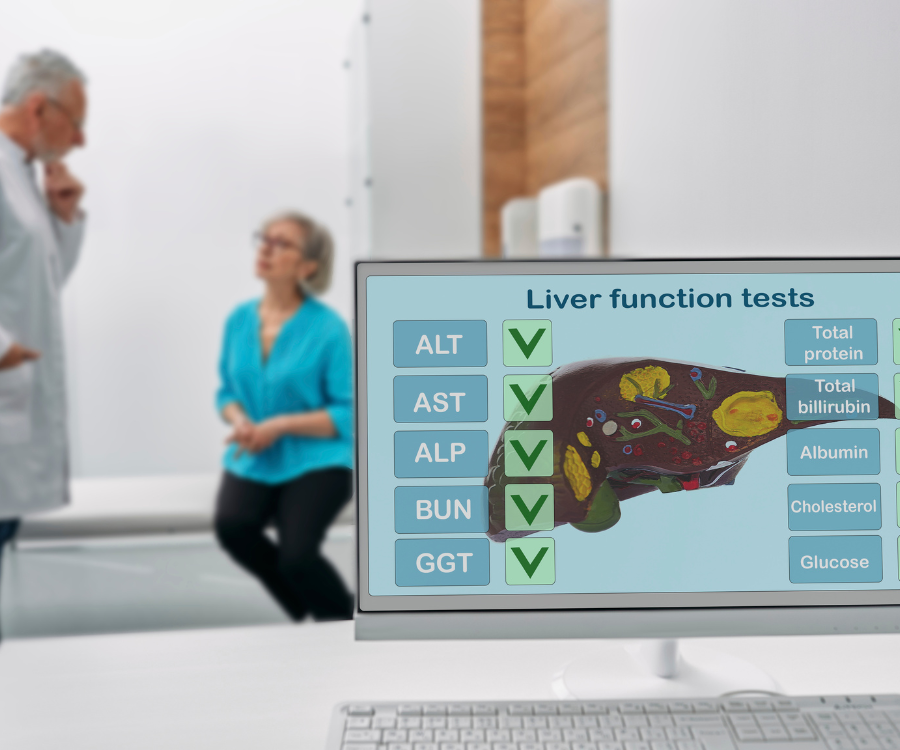
An LFT panel typically includes:

  • Alanine aminotransferase (ALT) and aspartate aminotransferase (AST): These enzymes rise when liver cells are damaged.
  • Alkaline phosphatase (ALP): This enzyme indicates bile flow and can be elevated due to liver or bone issues.
  • Gamma-glutamyl transferase (GGT): Often elevated with excessive alcohol consumption or bile duct problems.
  • Bilirubin: This waste product increases when the liver can’t process it properly.
  • Albumin and prothrombin time (PT): These assess protein production and blood clotting, indirectly reflecting liver function.

Understanding the Numbers:

Each test has a normal range, which can vary slightly between labs. Doctors interpret results by considering the specific values, along with overall health and symptoms. Generally:

  • Slightly elevated levels: May warrant monitoring or further testing depending on the context.
  • Moderately elevated levels: Can indicate potential issues and may require additional investigation.
  • Severely elevated levels: Often suggest significant liver damage and need prompt medical attention.

Interpreting the Pattern:

The pattern of elevated enzymes can offer clues:

  • Both ALT and AST high: Suggests liver cell injury from various causes like hepatitis, toxins, or medications.
  • AST much higher than ALT: May point towards alcoholic liver disease or muscle damage.
  • ALP elevated: Could indicate bile duct blockage, bone disease, or, in some cases, liver problems.
  • GGT elevated: Often linked to heavy alcohol consumption or bile duct issues.

Remember, I’m not a Doctor!

This is just a general overview. Do not diagnose yourself based on LFT results alone. If you have any concerns about your results, discuss them with your doctor. They can interpret the findings in context with your medical history and recommend further action if needed.

Taking Charge of Your Liver Health:

Here are some tips for keeping your liver healthy:

  • Maintain a healthy weight: Excess fat can strain the liver.
  • Eat a balanced diet: Limit processed foods, sugary drinks, and unhealthy fats.
  • Drink alcohol moderately: Excessive alcohol consumption is a major risk factor for liver disease.
  • Get vaccinated: Protect yourself against hepatitis viruses.
  • Avoid toxins: Be mindful of medications and potential toxins in your environment.

By understanding your LFT results and adopting healthy habits, you can empower yourself to take control of your liver health.


Categories Uncategorized

Your Blood Sugar’s 3-Month Report Card for Diabetes Management

If you have diabetes, keeping your blood sugar levels in check is crucial for staying healthy and preventing complications. But constantly monitoring your blood sugar with finger pricks can be a hassle. That’s where the Hemoglobin A1c (HbA1c) test comes in – a simple blood test offering a valuable long-term picture of your blood sugar control.

What is Hemoglobin A1c?

Hemoglobin is a protein in your red blood cells that carries oxygen throughout your body. Glucose (sugar) in your bloodstream can attach to hemoglobin. The HbA1c test measures the percentage of hemoglobin that has sugar attached. Since red blood cells live for about 3 months, the HbA1c reflects your average blood sugar control over that period.

Why is HbA1c Important for Diabetes Management?

Unlike finger pricks that give a snapshot of your blood sugar at a specific time, the HbA1c test provides a broader view of your blood sugar control. This is especially helpful for:

  • Diagnosing prediabetes and diabetes: An HbA1c level of 5.7% to 6.4% indicates prediabetes, while 6.5% or higher on two separate tests suggests diabetes.
  • Monitoring diabetes management: Regularly checking your HbA1c allows you and your doctor to see how well your diabetes treatment plan is working.
  • Identifying areas for improvement: If your HbA1c is higher than your target range, it indicates a need to adjust your diet, exercise routine, or medication.

What are the Target HbA1c Levels?

Target HbA1c levels can vary depending on individual factors like age, overall health, and type of diabetes. However, in general, the American Diabetes Association recommends striving for an HbA1c below 7%. Your doctor will discuss your specific target HbA1c based on your situation.

How Often Should You Get an HbA1c Test?

The frequency of HbA1c testing depends on your type of diabetes, treatment plan, and how well your blood sugar is controlled. Typically, people with well-controlled type 2 diabetes might get tested two to four times a year, while those with newly diagnosed or poorly controlled diabetes may need more frequent testing.

Remember: HbA1c is a valuable tool, but it doesn’t replace regular blood sugar monitoring. If you experience symptoms of high or low blood sugar, always check your blood sugar level with a finger prick test and take appropriate action.

Living well with diabetes requires a multi-pronged approach. By working with your doctor, regularly monitoring your HbA1c, and making healthy lifestyle choices, you can effectively manage your diabetes and live a fulfilling life.

Categories Uncategorized

Understanding Your Pathology Report

Ever received a medical report and felt like you needed a medical degree to decipher it? Pathology reports, which analyze tissue samples under a microscope, can be dense with technical terms. But fear not! This guide will equip you with the knowledge to navigate your pathology report with confidence.

Patient Information & Clinical History: This section is like the report’s cover page, identifying you and providing details relevant to the tissue sample.

Gross Description: Here, the pathologist describes the sample’s physical characteristics – size, color, number of pieces. Imagine it as a first impression before a closer look under the microscope.

Microscopic Description: This is where the detective work begins. The pathologist dives into the cellular level, describing what they see and comparing it to healthy tissue. This is where terms like “inflammation” or “atypical cells” might appear.

Diagnosis: This is the crux of the report – the pathologist’s conclusion based on their analysis. It could be a specific diagnosis like “benign mole” or indicate a need for further testing.

Additional Information: Sometimes, the report might include details on special tests performed, like immunohistochemistry, to pinpoint the type of cells present.

Understanding the Jargon: Pathology reports are full of medical terminology, but don’t panic! Look for keywords you recognize and write down any terms you’re unsure about.

Context is Key: While the report provides valuable information, it’s just one piece of the puzzle. Discuss the report with your doctor to understand how it fits into your overall health picture. They can explain the findings in layman’s terms, address any concerns, and outline the next steps.

Don’t Hesitate to Ask: Your doctor is there to guide you. If something in the report is unclear, don’t be shy to ask for clarification. Remember, understanding your health information empowers you to be an active participant in your care.

Categories Uncategorized

Blood Types: More Than Just a Trivia Night Answer

You might know your favorite color or your best friend’s birthday, but do you know your blood type? This seemingly simple question holds more weight than you might think. Blood types play a crucial role in our health, especially in situations like blood transfusions and understanding potential health risks.

So, let’s dive into the fascinating world of blood types and explore why knowing yours is more than just a party trick.

Decoding the Blood Type Mystery: ABO and Rh

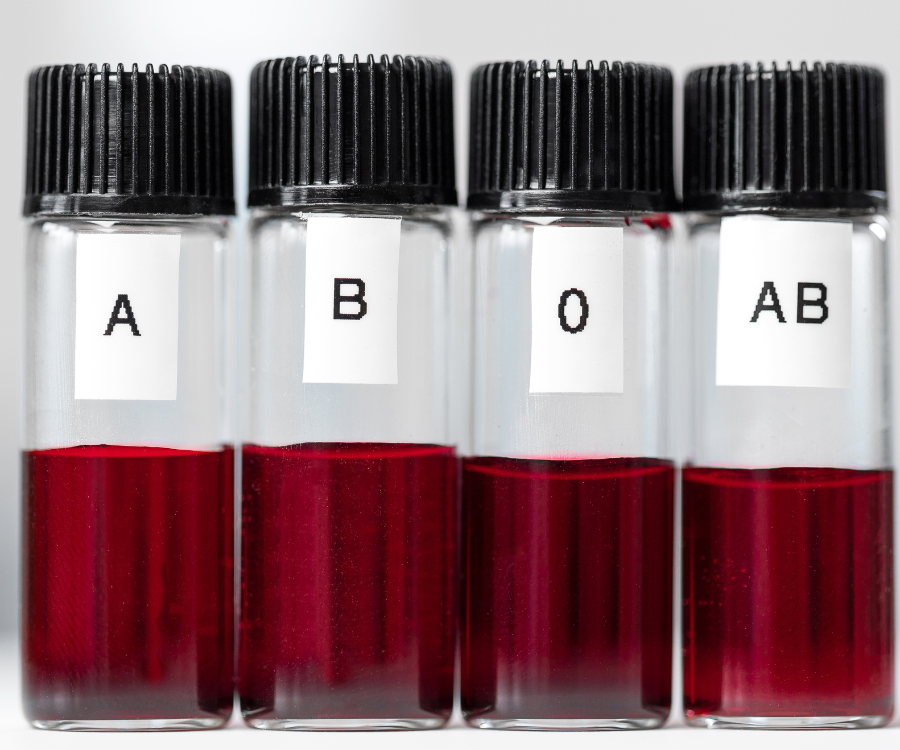
Our blood types are determined by a combination of proteins, called antigens, found on red blood cells and antibodies present in the blood plasma. The most common blood typing system is the ABO system, which classifies blood into four main types: A, B, AB, and O. Each type has a different combination of antigens.

Another important factor is the Rh system. This categorizes blood as either Rh positive or Rh negative, depending on the presence or absence of a specific Rh antigen. So, when you hear someone say they’re A positive, that means they have the A antigen on their red blood cells and the Rh antigen as well.

Why Knowing Your Blood Type Matters

Now, here’s where things get interesting. Knowing your blood type is vital for safe blood transfusions. When you receive a blood transfusion, your body needs to accept the donated blood. If the blood types aren’t compatible, your immune system can attack the donated red blood cells, leading to serious complications.

Here’s a quick rundown of blood transfusion compatibility:

  • O negative: The universal donor! O negative blood can be safely transfused to anyone, regardless of their blood type.
  • AB positive: The universal recipient! AB positive individuals can receive blood from any ABO blood type, but they can only donate to other AB positive individuals.

But blood types are about more than just transfusions. Some studies suggest potential links between blood types and certain health risks. For instance, research indicates people with type O blood may be less prone to stomach ulcers, while those with type A might have a higher risk of developing blood clots.

It’s important to remember, these are just associations, and many factors contribute to health. However, knowing your blood type can be a valuable piece of information for you and your doctor.

So, How Do You Find Out Your Blood Type?

There are a few ways to discover your blood type. You can:

  • Get a blood test: This is the most common way and can be done during a routine doctor’s visit.
  • Check your medical records: Your blood type might already be documented in your past medical history.
  • Blood donation drives: Many blood donation drives will also tell you your blood type after you donate.

Knowing your blood type is a simple step that can empower you to take charge of your health. It’s a valuable piece of information to have on hand, just in case. So, don’t wait for the next trivia night – find out your blood type today!