
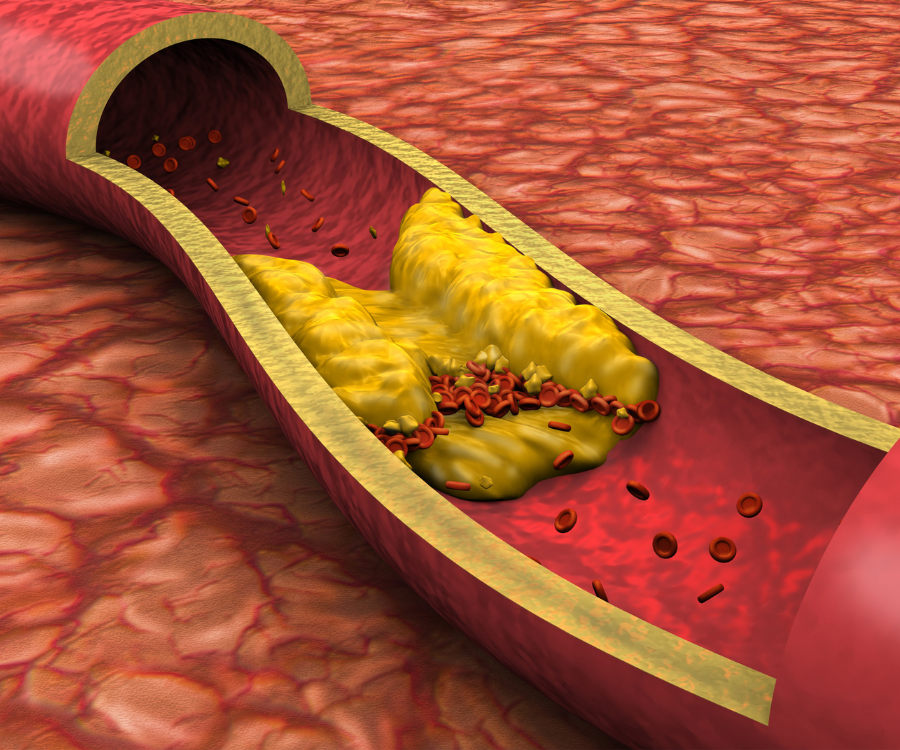
Cholesterol often gets a bad reputation, but your body actually needs it to build cells and make hormones. The key is balance. Let’s break down your cholesterol test results without the confusing medical jargon.
1. The Good vs. The Bad: HDL and LDL
Your test results will likely break your cholesterol down into two main types of transport proteins:
- LDL (Low-Density Lipoprotein): Often called the “bad” cholesterol. Think of LDL as a delivery truck that drops cholesterol off throughout your body. If you have too much of it, it can spill over and build up in your artery walls, creating plaque that narrows your blood vessels.
- HDL (High-Density Lipoprotein): Known as the “good” cholesterol. Think of HDL as a vacuum cleaner. It travels through your bloodstream, scoops up excess cholesterol, and carries it back to your liver, where it’s broken down and removed from your body.
2. What Do the Numbers Actually Mean?
While ideal targets can vary slightly based on your personal health history (like whether you smoke, have diabetes, or have a family history of heart disease), major health organizations generally point to the following baseline ranges for adults:
| Component | What it Measures | Desirable Range |
| Total Cholesterol | The overall amount of cholesterol in your blood. | Below 200 mg/dL |
| LDL Cholesterol | The “bad” cholesterol that can build up in arteries. | Below 100 mg/dL |
| HDL Cholesterol | The “good” cholesterol that clears away the bad. | Above 40 mg/dL (Men) Above 50 mg/dL (Women) |
| Triglycerides | A type of fat from unused calories stored in your blood. | Below 150 mg/dL |
3. The Forgotten Number: Triglycerides
People often hyper-focus on LDL, but triglycerides are just as important. While cholesterol is used to build cells, triglycerides are used to store excess energy.
If you regularly eat more calories than you burn—especially from simple carbohydrates, sugars, or alcohol—your triglyceride levels will climb. High triglycerides combined with high LDL significantly increase the risk of cardiovascular complications.
4. Numbers Don’t Tell the Whole Story
A common misconception is that a high total cholesterol number instantly means danger. However, modern medicine looks at the entire picture.
For example, if your total cholesterol is slightly elevated at 210 mg/dL, but your HDL (good) is exceptionally high and your triglycerides are low, your overall cardiovascular risk might actually be quite low. Doctors frequently look at ratios and other metabolic health markers rather than treating a single number in isolation.
A Note on Fasting: If your lab results seem unusually high, check if your test required fasting. Eating a heavy or sugary meal a few hours before a non-fasting blood draw can temporarily spike your triglyceride levels.
Moving Forward: Next Steps
If your numbers aren’t quite where you want them to be, don’t panic. Cholesterol is highly responsive to everyday habits. Simple changes like increasing your intake of soluble fiber (found in oats, beans, and fruit), incorporating regular brisk walks, and reducing ultra-processed foods can make a massive dent in your numbers over a few months.
Always sit down with your healthcare provider to discuss your specific lab results, as your target numbers should be personalized to your unique body and history.