High Blood Pressure: The Silent Killer and Why Blood Tests Matter
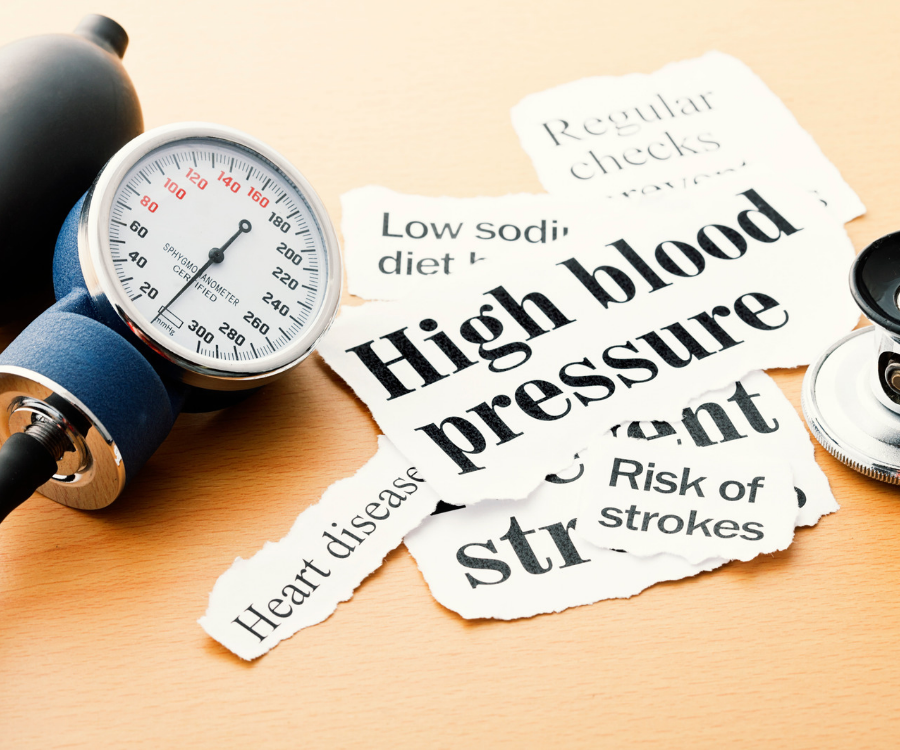
High blood pressure, medically known as hypertension, earns its reputation as the “silent killer” because it rarely produces noticeable symptoms until significant damage has already occurred inside the body. Millions of adults walk around with dangerously elevated blood pressure while feeling completely healthy. While an inflatable arm cuff measures the force of blood pushing against artery walls, it only tells part of the story. Blood tests for high blood pressure are essential for uncovering hidden root causes, evaluating organ health, and determining the safest, most effective treatment plan.
What Is High Blood Pressure and Why Is It Called the Silent Killer?
Blood pressure is recorded using two numbers: systolic pressure (the force when the heart beats) and diastolic pressure (the pressure when the heart rests between beats). A normal reading sits below 120/80 mmHg. When readings consistently reach 130/80 mmHg or higher, a patient enters the hypertensive range.
Unlike a fever or a broken bone, chronic hypertension does not trigger pain receptors. Over months and years, excessive arterial pressure quietly erodes the delicate inner lining of blood vessels. This microscopic wear and tear encourages plaque buildup, stiffens arteries, and forces the heart muscle to pump harder against increasing resistance. Left unmanaged, silent hypertension dramatically raises the risk of:
- Heart attack and heart failure due to thickened heart walls and narrowed coronary arteries.
- Stroke and cognitive decline caused by weakened or blocked blood vessels in the brain.
- Chronic kidney disease resulting from damaged filtering units within the kidneys.
- Vision loss triggered by ruptured or narrowed blood vessels in the retina.
Why a Blood Pressure Cuff Is Not Enough
Checking your blood pressure at a clinic or with a home monitor confirms whether your numbers are elevated, yet a cuff cannot explain why your pressure is high or whether internal organs are already under strain. Roughly 90 to 95 percent of cases are classified as primary (essential) hypertension, which develops gradually from genetics, age, and lifestyle factors. The remaining 5 to 10 percent represent secondary hypertension, driven by an identifiable underlying medical condition such as kidney dysfunction, hormonal imbalances, or thyroid disorders.
Diagnostic laboratory testing bridges this gap. By analyzing blood markers, healthcare providers can look beneath the surface to detect secondary causes, identify overlapping cardiovascular risks, and establish a baseline before prescribing medication.
Essential Blood Tests for High Blood Pressure Management
When evaluating newly diagnosed or hard-to-control hypertension, doctors typically order a targeted panel of laboratory tests. Each test provides specific insight into how your body regulates fluid, hormones, and vascular health.
| Blood Test | What It Measures | Why It Matters for Hypertension |
| Kidney Function Panel (Creatinine, BUN, eGFR) | Waste filtration efficiency and overall kidney health | Damaged kidneys retain excess fluid and raise blood pressure; high blood pressure simultaneously damages kidneys. |
| Electrolyte Panel (Sodium, Potassium) | Mineral balance that controls fluid volume and nerve signals | Excess sodium increases blood volume, while abnormal potassium can indicate adrenal hormone disorders. |
| Fasting Lipid Profile | Total cholesterol, LDL, HDL, and triglycerides | High cholesterol accelerates plaque buildup inside arteries already stressed by high blood pressure. |
| Fasting Glucose and HbA1c | Current blood sugar and three-month average glucose levels | Insulin resistance and diabetes stiffen blood vessels and multiply cardiovascular risk when paired with hypertension. |
| Thyroid-Stimulating Hormone (TSH) | Thyroid gland activity and metabolic rate | Both an underactive thyroid (hypothyroidism) and overactive thyroid (hyperthyroidism) can elevate blood pressure. |
| Aldosterone and Renin Levels | Hormones produced by the adrenal glands and kidneys | Primary aldosteronism is a common, treatable cause of resistant high blood pressure that causes the body to hold onto sodium. |
How Lab Results Shape Safer Hypertension Treatment
Blood tests do more than diagnose underlying problems—they directly guide how doctors prescribe and monitor blood pressure medications. Many first-line antihypertensive drugs interact with kidney filtration and electrolyte levels:
- ACE inhibitors and ARBs protect the kidneys over time, but they can cause potassium levels to rise. Baseline and follow-up electrolyte panels ensure potassium stays within a safe window.
- Diuretics (“water pills”) help the body flush out excess sodium and fluid, yet they can deplete potassium and sodium or mildly affect blood sugar and uric acid levels.
- Medication adjustments rely on serial lab comparisons. Checking kidney function and electrolytes a few weeks after starting or changing a prescription confirms that your body is responding safely.
Key Takeaways for Protecting Your Heart and Vessels
- Do not wait for symptoms: Headaches, dizziness, or nosebleeds usually appear only during a hypertensive crisis, not during years of gradual vascular damage.
- Pair routine pressure checks with annual lab work: Combining home or clinic blood pressure readings with comprehensive blood panels catches silent metabolic, thyroid, and kidney issues early.
- Share complete health history with your provider: Mention snoring, daytime fatigue, sudden weight changes, or family history of early heart disease, as these clues help your doctor select specialized hormone or metabolic tests.
Taking control of high blood pressure starts with knowing your numbers—both the two readings on the monitor and the deeper biomarkers circulating in your bloodstream. Scheduling routine blood tests alongside regular blood pressure screenings turns a silent threat into a measurable, manageable condition.