
Categories Uncategorized

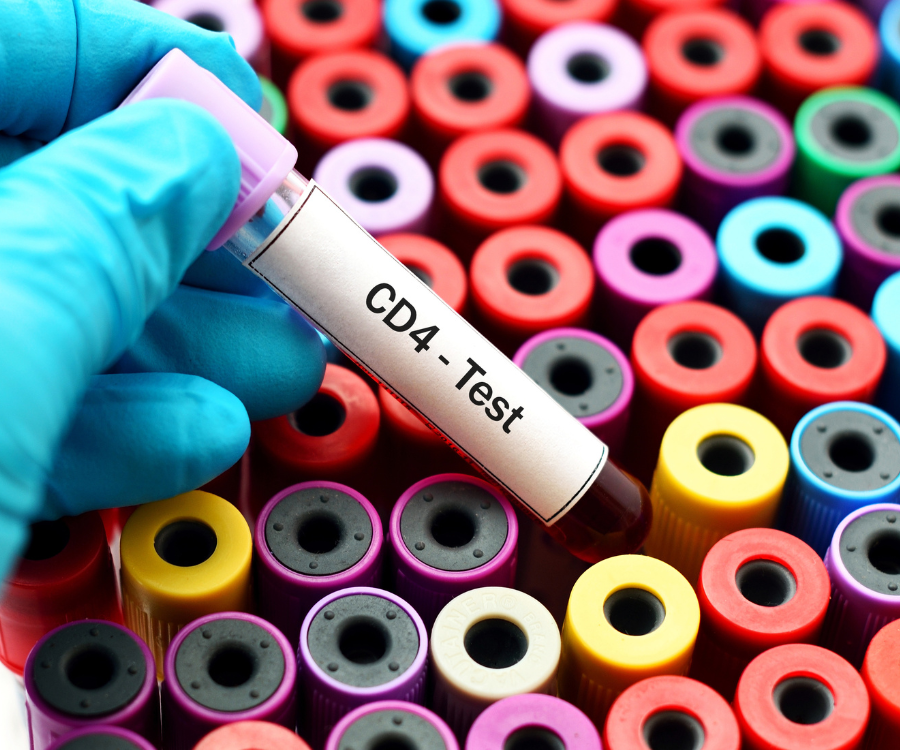
Understanding CD4 Count and HIV Management Through Blood Testing

Living with HIV requires proactive management, and regular blood tests play a crucial role in maintaining health and preventing disease progression. Among these tests, the CD4 count stands out as a key indicator of immune system health. This blog post will delve into the significance of CD4 counts in HIV management and how blood testing helps individuals live healthier lives.

What is a CD4 Count?

CD4 cells, also known as T-helper cells, are white blood cells that play a vital role in the immune system. They help coordinate the immune response to fight off infections. HIV specifically targets and destroys CD4 cells, weakening the immune system over time. A CD4 count measures the number of CD4 cells in a sample of blood, providing a snapshot of the immune system’s strength.

Why is CD4 Count Important for HIV Management?

The CD4 count is a crucial marker for several reasons:

  • Assessing Immune System Health: A higher CD4 count generally indicates a stronger immune system. As HIV progresses and CD4 cells decline, the risk of opportunistic infections (infections that take advantage of a weakened immune system) increases.
  • Monitoring HIV Progression: Tracking CD4 counts over time helps monitor the progression of HIV infection. A significant drop in CD4 count may indicate the need for adjustments in treatment.
  • Guiding Treatment Decisions: CD4 counts help healthcare providers determine when to start or adjust antiretroviral therapy (ART). ART helps to suppress HIV replication, allowing the immune system to recover and CD4 counts to increase.
  • Diagnosing AIDS: A CD4 count below 200 cells/mm³ is one of the criteria used to diagnose AIDS (Acquired Immunodeficiency Syndrome), the most advanced stage of HIV infection.

How is CD4 Count Measured?

CD4 count is measured through a simple blood test. The test is typically performed in a healthcare setting, and the results are usually available within a few days. Regular CD4 count monitoring is recommended for people living with HIV, typically every 3-6 months, or as advised by their healthcare provider.

Managing HIV with CD4 Count Monitoring and ART

With the advent of effective ART, HIV is now a manageable chronic condition. Regular CD4 count monitoring, along with viral load testing (which measures the amount of HIV in the blood), helps healthcare providers assess the effectiveness of treatment and make necessary adjustments.

Key aspects of HIV management include:

  • Regular Monitoring: Consistent monitoring of CD4 count and viral load is essential to track treatment progress and identify any potential issues.
  • Adherence to ART: Taking ART medications as prescribed is crucial for suppressing HIV and maintaining a healthy CD4 count.
  • Healthy Lifestyle: Maintaining a healthy lifestyle through proper nutrition, exercise, and avoiding smoking and excessive alcohol consumption can further support immune health.

Conclusion

CD4 count is a vital tool in HIV management, providing valuable insights into immune system health and guiding treatment decisions. Regular blood testing and adherence to ART are key to maintaining a healthy CD4 count, preventing opportunistic infections, and living a long and fulfilling life with HIV. If you are living with HIV, work closely with your healthcare provider to monitor your CD4 count and ensure you are receiving the best possible care.

Categories Uncategorized

How Accurate Are Blood Tests? Understanding Their Limitations

Blood tests are a cornerstone of modern medicine, providing valuable insights into our health. From routine check-ups to diagnosing complex conditions, these tests play a crucial role in healthcare. But how accurate are they really? While generally reliable, it’s important to understand that blood tests have limitations. This post will delve into the accuracy of blood tests and the factors that can influence their results.

The Accuracy of Blood Tests: A General Overview

Blood tests are designed to be highly accurate, and in most cases, they provide reliable results. Laboratories adhere to strict quality control measures to ensure precision and accuracy. However, like any medical test, blood tests are not perfect.

There are two key concepts to understand when discussing accuracy:

  • Sensitivity: A test’s ability to correctly identify those with a condition (true positive rate).
  • Specificity: A test’s ability to correctly identify those without a condition (true negative rate).

Ideally, a test would have 100% sensitivity and specificity, but this is rarely the case in practice.

Factors Affecting Blood Test Accuracy

Several factors can influence the accuracy of blood test results:

  • Biological Variability: Natural fluctuations in the body can affect certain blood components. For example, hormone levels can change throughout the day.
  • Pre-analytical Errors: These occur before the sample is analyzed in the lab. Examples include:
    • Improper collection techniques
    • Incorrect storage or transportation of the sample
    • Patient factors like fasting or medication use
  • Analytical Errors: These occur during the testing process in the lab. While rare due to quality control measures, they can include:
    • Equipment malfunction
    • Technical errors
    • Reagent issues
  • Test Limitations: Some tests are inherently more prone to variability than others. Additionally, certain conditions may interfere with test results.

False Positives and False Negatives

It’s possible for blood tests to produce inaccurate results, leading to:

  • False Positive: The test indicates a condition is present when it’s not. This can cause unnecessary anxiety and further testing.
  • False Negative: The test indicates a condition is absent when it’s actually present. This can delay diagnosis and treatment.

Minimizing Inaccuracies and Understanding Results

While some degree of variability is inherent, several steps can be taken to minimize inaccuracies:

  • Follow Instructions: Carefully adhere to any pre-test instructions provided by your healthcare provider, such as fasting or avoiding certain medications.
  • Choose Reputable Labs: Ensure your tests are conducted by certified and accredited laboratories.
  • Communicate with Your Doctor: Discuss any concerns or questions you have about your results with your doctor. They can interpret the results in the context of your medical history and other factors.

Conclusion

Blood tests are valuable diagnostic tools, but it’s important to recognize their limitations. While generally accurate, various factors can influence their results. By understanding these factors and communicating openly with your healthcare provider, you can ensure the most accurate interpretation of your blood test results and make informed decisions about your health.

Categories Uncategorized

The Importance of Regular Complete Blood Count (CBC) Tests

A complete blood count (CBC) test is a common blood test that is used to evaluate your overall health. It can help to detect a variety of conditions, including anemia, infections, and cancer. Regular CBC tests are important for maintaining your health and well-being.

What is a CBC test?

A CBC test measures the number and size of your red blood cells, white blood cells, and platelets. It also measures the amount of hemoglobin in your blood. Hemoglobin is a protein in red blood cells that carries oxygen throughout your body.

Why are CBC tests important?

CBC tests can help to diagnose a variety of conditions, including:

  • Anemia: Anemia is a condition in which you don’t have enough red blood cells. This can cause you to feel tired and weak.
  • Infections: A CBC test can help to detect infections, such as bacterial or viral infections.
  • Cancer: A CBC test can help to detect some types of cancer, such as leukemia.

How often should I get a CBC test?

The frequency of CBC tests will depend on your age, health, and risk factors. Your doctor will be able to recommend the best schedule for you.

What can I expect during a CBC test?

A CBC test is a simple blood test. A healthcare professional will draw blood from a vein in your arm. The test usually takes less than 5 minutes.

Are there any risks associated with CBC tests?

There is a small risk of bleeding or bruising at the site where the blood is drawn.

How can I prepare for a CBC test?

You don’t need to do anything special to prepare for a CBC test. You can eat and drink normally.

What do the results of a CBC test mean?

Your doctor will review the results of your CBC test and discuss them with you. The results can help to diagnose a variety of conditions.

Benefits of regular CBC tests

There are many benefits to getting regular CBC tests. They can help you to:

  • Detect potential health problems early
  • Get the treatment you need
  • Improve your overall health

If you have any questions about CBC tests, please talk to your doctor.

I hope this blog post has helped you to understand the importance of regular CBC tests. If you have any questions, please leave a comment below.

Categories Uncategorized

The Role of Blood Tests in Managing Seasonal Allergies

Seasonal allergies, also known as hay fever, are a common condition that affects millions of people each year. Symptoms can include sneezing, runny nose, itchy eyes, and congestion. While over-the-counter medications can help relieve symptoms, it’s important to see a doctor to get a diagnosis and develop a treatment plan. Blood tests can play an important role in managing seasonal allergies.

What are seasonal allergies?

Seasonal allergies are caused by an overreaction of the immune system to allergens in the environment. Allergens are harmless substances that can trigger an allergic reaction in some people. Common seasonal allergens include pollen from trees, grasses, and weeds. Mold spores can also be a seasonal allergen.

How are seasonal allergies diagnosed?

Doctors can diagnose seasonal allergies based on a person’s symptoms and a physical exam. They may also order allergy tests, such as skin tests or blood tests. Skin tests are the most common type of allergy test. During a skin test, a small amount of allergen is applied to the skin. If the person is allergic to the substance, they will develop a small, itchy bump.

Blood tests can also be used to diagnose seasonal allergies. Blood tests measure the amount of IgE antibodies in the blood. IgE antibodies are produced by the immune system in response to an allergen. A high level of IgE antibodies indicates that the person is allergic to the substance.

How can blood tests help manage seasonal allergies?

Blood tests can help identify the specific allergens that are triggering a person’s symptoms. This information can be used to develop a treatment plan that includes avoiding those allergens. Blood tests can also be used to monitor the effectiveness of treatment.

What are the benefits of blood tests for seasonal allergies?

Blood tests are a safe and effective way to diagnose seasonal allergies. They are also less invasive than skin tests. Blood tests can be performed on people of all ages, including infants and young children.

What are the limitations of blood tests for seasonal allergies?

Blood tests are not always accurate. They can sometimes produce false positive or false negative results. Blood tests are also more expensive than skin tests.

How can I find out more about blood tests for seasonal allergies?

If you think you may have seasonal allergies, talk to your doctor. They can help you determine if blood tests are right for you.