
Categories Uncategorized

The Rise of At-Home Blood Testing Kits: Pros and Cons

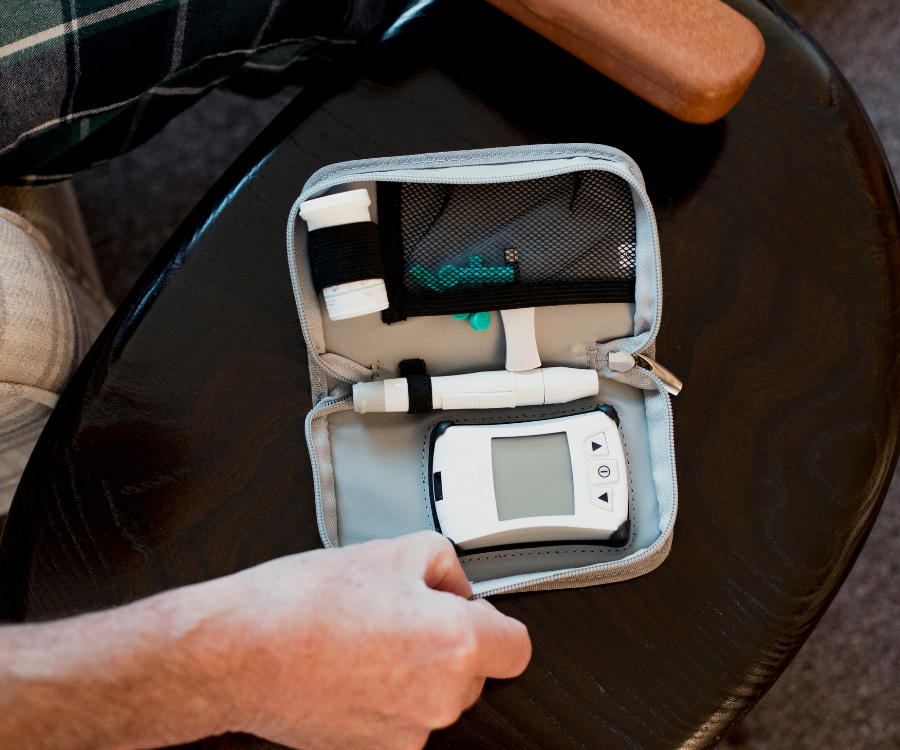
The world of healthcare is constantly evolving, and one of the most interesting recent developments is the rise of at-home blood testing kits. These kits offer a convenient way to monitor various aspects of your health from the comfort of your own home. But are they too good to be true? Let’s delve into the pros and cons of at-home blood testing.

What are At-Home Blood Testing Kits?

At-home blood testing kits allow individuals to collect a small blood sample, usually via a finger prick, and send it to a lab for analysis. These kits can test for a variety of health indicators, including:

  • Cholesterol levels
  • Vitamin deficiencies
  • Thyroid function
  • Hormone levels
  • Markers for certain diseases

The Pros of At-Home Blood Testing

  • Convenience: This is perhaps the biggest advantage. No more scheduling appointments, traveling to labs, or sitting in waiting rooms. You can conduct the test at your own pace and time.
  • Privacy: For those who feel uncomfortable discussing certain health concerns with a healthcare professional, at-home testing offers a discreet alternative.
  • Accessibility: At-home kits can be particularly beneficial for people living in rural areas or those with limited mobility, making healthcare more accessible.
  • Early Detection: By regularly monitoring your health markers, you can potentially detect issues early on, allowing for timely intervention and treatment.
  • Empowerment: These kits can empower individuals to take a more active role in managing their health and well-being.

The Cons of At-Home Blood Testing

  • Accuracy and Reliability: While most reputable kits undergo rigorous testing, there’s still a potential for errors in sample collection or processing, which can affect the accuracy of results.
  • Lack of Professional Guidance: One of the major drawbacks is the absence of a healthcare professional to interpret the results and provide appropriate guidance. This can lead to anxiety or misinterpretation of the data.
  • Follow-up Care: If the results indicate a potential health issue, it’s crucial to follow up with a healthcare professional for further evaluation and treatment. At-home kits should not replace regular check-ups.
  • Cost: While some kits may be affordable, others can be quite expensive, and may not be covered by insurance.
  • Regulation and Quality Control: The market for at-home testing kits is still relatively new, and regulations may vary. It’s important to choose reputable brands with certified labs to ensure quality and reliability.

Making an Informed Decision

At-home blood testing kits can be a valuable tool for monitoring your health, but it’s crucial to weigh the pros and cons before making a decision. Consider the following:

  • Choose reputable brands: Look for companies with certified labs and positive reviews.
  • Understand the limitations: At-home tests are not a substitute for regular check-ups with a healthcare professional.
  • Follow instructions carefully: Accurate sample collection is essential for reliable results.
  • Consult with your doctor: Discuss the results with your doctor for proper interpretation and guidance.

The Future of At-Home Blood Testing

As technology advances and regulations become more established, at-home blood testing is likely to become even more prevalent. With careful consideration and responsible use, these kits can play a significant role in promoting proactive health management and improving overall well-being.


Categories Uncategorized

How to Prepare for a Blood Test: Do’s and Don’ts

Getting your blood drawn can be a routine part of healthcare, but it’s important to be prepared to ensure accurate results and a smooth experience. Here’s a comprehensive guide on how to prepare for a blood test, covering the do’s and don’ts:

Do’s

  • Follow fasting instructions: Certain blood tests require fasting, which means abstaining from food and beverages (except water) for a specific period, usually 8-12 hours before the test. Fasting helps ensure accurate measurements of substances like glucose and cholesterol.
  • Stay hydrated: Drinking plenty of water in the days leading up to your test can make your veins more accessible and the blood draw easier.
  • Inform your healthcare provider: Disclose any medications, supplements, or herbal remedies you’re taking, as they may affect certain test results. Your provider may advise adjusting dosages or temporarily discontinuing some before the test.
  • Wear comfortable clothing: Opt for loose-fitting clothing that allows easy access to your arm for the blood draw.
  • Relax and breathe: If you’re anxious about needles, try relaxation techniques like deep breathing or visualization to ease your nerves.
  • Bring necessary documents: Carry your insurance card, identification, and any paperwork required by the lab or your healthcare provider.

Don’ts

  • Don’t consume certain substances: Avoid alcohol, caffeine, and sugary drinks before your test, as they can affect certain measurements.
  • Don’t smoke: Refrain from smoking for at least a few hours before the test, as it can affect certain blood components.
  • Don’t exercise vigorously: Avoid strenuous physical activity before the test, as it can temporarily alter some blood values.
  • Don’t take certain medications: Unless advised by your healthcare provider, don’t stop taking any prescribed medications before the test.
  • Don’t hesitate to ask questions: If you have any concerns or questions about the test or preparation, don’t hesitate to ask your healthcare provider or the lab technician.

Additional Tips

  • Schedule your test: If possible, schedule your blood test for the morning, as some blood components can vary throughout the day.
  • Inform the technician: If you have a history of fainting or feeling lightheaded during blood draws, inform the technician beforehand.
  • Apply pressure: After the blood draw, apply gentle pressure to the puncture site to prevent bleeding and bruising.
  • Follow post-test instructions: Your healthcare provider may provide specific instructions for post-test care or follow-up.

By following these do’s and don’ts, you can ensure a smooth and accurate blood test experience. Remember, preparation is key to getting reliable results and maintaining your health.

Categories Uncategorized

Liquid Biopsy

Cancer, a formidable disease, has long been a challenge for medical science. Traditional methods of cancer detection, such as biopsies and imaging scans, can be invasive and often require multiple procedures. However, a revolutionary approach is emerging: liquid biopsy.

What is Liquid Biopsy?

A liquid biopsy is a minimally invasive procedure that involves drawing a blood sample. Unlike traditional biopsies, it doesn’t require surgical intervention. The blood sample is then analyzed for circulating tumor DNA (ctDNA) and circulating tumor cells (CTCs).

  • ctDNA: Fragments of DNA released by tumor cells into the bloodstream.
  • CTCs: Whole tumor cells that circulate in the bloodstream.

How Does Liquid Biopsy Work?

  1. Blood Draw: A simple blood draw is performed.
  2. Isolation: ctDNA and CTCs are isolated from the blood sample.
  3. Analysis: These biological markers are analyzed using advanced molecular techniques, such as next-generation sequencing (NGS).

Benefits of Liquid Biopsy

Liquid biopsy offers several advantages over traditional methods:

  • Minimal Invasiveness: It’s a less invasive procedure compared to tissue biopsies.
  • Early Detection: It can detect cancer at earlier stages, when treatment is more effective.
  • Monitoring Disease Progression: It can track the effectiveness of treatment and detect early signs of recurrence.
  • Personalized Medicine: It can help identify specific genetic mutations in the tumor, guiding personalized treatment strategies.

The Future of Cancer Detection

Liquid biopsy is still a relatively new technology, but it holds immense promise for the future of cancer detection and treatment. As research continues to advance, we can expect to see even more innovative applications of this technology.

By leveraging the power of liquid biopsy, we can move closer to a future where cancer is detected early, treated effectively, and ultimately, cured.

[Add a relevant image of liquid biopsy or cancer cells]

Would you like me to add more information to this blog post, such as the limitations of liquid biopsy or specific case studies?

Categories Uncategorized

How Pathology Ensures Accuracy in Your Test Results

Pathology, often a silent partner in healthcare, plays a crucial role in diagnosing diseases and monitoring treatment. But how can you be sure that the results you receive are accurate? Let’s delve into the meticulous processes that ensure precision in pathology labs.

The Foundation of Accuracy: Quality Assurance

At the heart of accurate pathology lies a robust quality assurance program. This involves:

  • Strict Adherence to Standards: Pathology labs follow internationally recognized standards like CLIA (Clinical Laboratory Improvement Amendments) in the US and ISO 15189 internationally.
  • Regular Calibration and Maintenance: Laboratory equipment is calibrated regularly to ensure precise measurements.
  • Internal Quality Control: Labs conduct internal tests to monitor the accuracy of their procedures.
  • External Quality Assessment: Participation in external proficiency testing programs allows labs to compare their results with other labs.

The Human Element: Skilled Pathologists

Highly trained pathologists are the linchpin of accurate diagnosis. They:

  • Microscopic Examination: Carefully examine tissue samples under a microscope to identify abnormalities.
  • Molecular Testing: Utilize advanced techniques to analyze DNA and RNA to detect genetic mutations.
  • Interpretation of Results: Combine their expertise with the latest scientific knowledge to interpret test results accurately.

Technological Advancements: Driving Precision

Technology plays a significant role in enhancing accuracy:

  • Automation: Automated systems reduce human error and improve efficiency.
  • Digital Pathology: Digital slides allow for remote consultations and analysis.
  • Artificial Intelligence: AI-powered tools can assist pathologists in identifying patterns and anomalies.

Ensuring Patient Safety: The Role of Accreditation

Accreditation by organizations like CAP (College of American Pathologists) or UKAS (United Kingdom Accreditation Service) signifies a lab’s commitment to quality and patient safety. Accredited labs undergo rigorous inspections to ensure compliance with standards.

Your Role in Accurate Results

While pathology labs strive for accuracy, patients can also contribute:

  • Provide Complete Medical History: Share all relevant medical information with your doctor.
  • Follow Instructions: Adhere to instructions for sample collection and preparation.
  • Communicate Concerns: Don’t hesitate to discuss any questions or concerns with your healthcare provider.

By understanding the meticulous processes involved in pathology, you can trust the accuracy of your test results. This knowledge empowers you to make informed decisions about your health.