Categories Uncategorized

The Dangers of Chemical Exposure and the Importance of Blood Tests

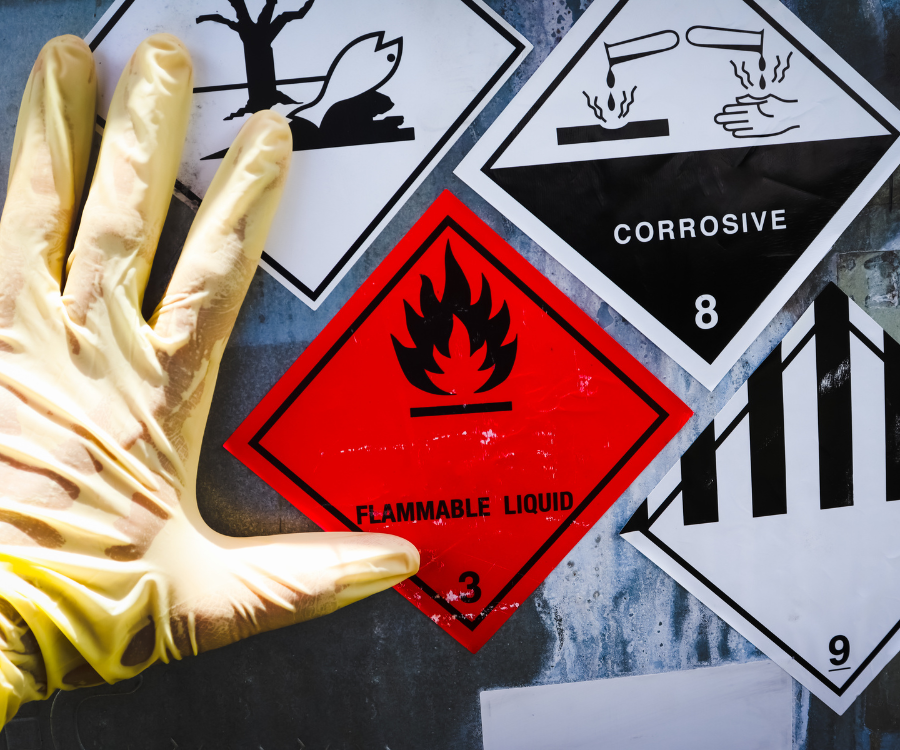
Working in the mining sector presents numerous occupational hazards, with chemical exposure being a significant concern for workers. From harmful substances released during extraction processes to the risk of toxic fumes in confined spaces, miners face potential health risks on a daily basis. In this blog post, we’ll explore the dangers of chemical exposure in the mining industry and highlight the importance of regular blood tests for mine workers to safeguard their health and well-being.

Understanding Chemical Exposure in Mining: Chemical exposure in mining can occur through various pathways, including inhalation of airborne particles, skin contact with hazardous substances, and ingestion of contaminated food or water. Common chemicals encountered in mining operations include heavy metals like lead, mercury, and arsenic, as well as toxic gases such as sulfur dioxide and hydrogen sulfide. Prolonged or repeated exposure to these chemicals can have serious health consequences, ranging from respiratory problems and neurological disorders to cancer and reproductive issues.

The Importance of Blood Tests for Mine Workers: Given the potential risks associated with chemical exposure, regular monitoring of miners’ health is essential for early detection and prevention of occupational illnesses. Blood tests serve as valuable diagnostic tools for assessing the levels of toxic substances in the body and detecting any adverse health effects. By analyzing blood samples, healthcare professionals can identify elevated levels of heavy metals or other contaminants, allowing for timely intervention and mitigation measures to protect workers’ health.

Benefits of Blood Testing for Mine Workers:

  1. Early Detection of Health Issues: Blood tests can detect elevated levels of toxic substances in the body before symptoms of illness manifest, enabling early intervention and treatment.
  2. Monitoring Exposure Levels: Regular blood testing allows for ongoing monitoring of miners’ exposure to hazardous chemicals, helping to identify trends and patterns over time.
  3. Tailored Health Interventions: By identifying individual workers with elevated exposure levels, targeted interventions such as personal protective equipment (PPE) upgrades or job reassignments can be implemented to reduce risks.
  4. Compliance with Regulations: Many regulatory agencies require employers in the mining industry to conduct health monitoring, including blood testing, to ensure compliance with safety standards and protect workers’ health.

Conclusion: Chemical exposure poses significant risks to mine workers’ health, highlighting the importance of proactive measures to mitigate these hazards. Regular blood testing plays a crucial role in identifying and monitoring occupational exposures, allowing for early intervention and protection of workers’ health. By prioritizing health monitoring and implementing preventive measures, mining companies can create safer work environments and support the well-being of their employees.

Categories Uncategorized

Why Regular Blood Tests are Crucial for Seafarers

Life at sea is a unique adventure, filled with breathtaking views and exotic destinations. But beyond the romance lies a demanding profession with specific health considerations. One crucial aspect of staying healthy onboard is regular blood testing for seafarers. Let’s explore why these tests are essential for those who work on ships.

A Remote Workplace with Unique Challenges

Unlike land-based jobs, seafarers operate in a remote environment. Access to advanced medical facilities can be limited, especially on long voyages. Early detection of potential health issues becomes even more critical in such circumstances.

Blood Tests: A Window into Overall Health

Regular blood tests offer a valuable window into a seafarer’s overall health. They can detect a variety of potential issues, including:

  • Nutritional Deficiencies: Long stretches at sea can make it challenging to maintain a balanced diet. Blood tests can identify deficiencies in vital nutrients like iron or vitamin D, allowing for timely adjustments to diet or supplementation.
  • Infectious Diseases: Close quarters onboard and frequent port calls can increase the risk of exposure to infectious diseases. Blood tests can screen for conditions like hepatitis or malaria, enabling early intervention and preventing outbreaks.
  • Chronic Conditions: Seafaring can be physically demanding, and some crew members may be at risk for chronic health issues like diabetes or high blood pressure. Regular blood tests allow for monitoring these conditions and adjusting treatment plans as needed.
  • Fitness for Duty: Certain blood tests can assess a seafarer’s fitness for specific tasks. For instance, some roles require good vision, and blood tests can check for underlying conditions that might affect eyesight.

Early Detection for Better Outcomes

Early detection is key to effective treatment and management of health issues. Regular blood tests onboard ships allow for proactive healthcare. By identifying potential problems early, medical professionals can:

  • Implement preventative measures to stop minor issues from escalating.
  • Initiate timely treatment, improving the chances of a full recovery.
  • Minimize the risk of complications and long-term health problems.

Maintaining a Healthy Crew for a Safe Voyage

Regular blood tests play a vital role in ensuring the health and well-being of seafarers. A healthy crew is not only essential for individual well-being but also contributes to the safe and efficient operation of the ship. By prioritizing regular blood testing, shipping companies can create a healthier work environment for their crew, promoting overall well-being and a successful voyage for everyone onboard.

Categories Uncategorized

The Importance of Blood Typing

In the realm of healthcare, certain tests often take precedence due to their critical role in diagnosis, treatment, and overall well-being. Among these, blood typing stands out as a fundamental assessment that holds significant implications for individuals’ health. Let’s delve into why getting a blood typing test done is essential and how it can benefit you.

Understanding Blood Typing:

Blood typing determines an individual’s blood group based on the presence or absence of specific antigens and antibodies in their blood. The four main blood types are A, B, AB, and O, each characterized by the antigens they possess. Additionally, the Rh factor, denoted as positive (+) or negative (-), further refines blood typing.

Reasons to Get Blood Typing Blood Tests Done:

  1. Emergency Preparedness: Knowing your blood type is crucial in emergency situations, such as accidents or surgeries, where rapid blood transfusions may be necessary. It ensures that you receive compatible blood, minimizing the risk of adverse reactions and improving treatment outcomes.
  2. Blood Transfusions: In cases of severe blood loss due to injury, surgery, or medical conditions like anemia, blood transfusions replenish lost blood components. Matching the donor’s blood type with the recipient’s is imperative to prevent life-threatening transfusion reactions. By knowing your blood type in advance, you facilitate a faster and safer transfusion process when needed.
  3. Pregnancy and Childbirth: Blood typing assumes particular significance during pregnancy, especially for Rh-negative women carrying Rh-positive fetuses. If fetal blood mixes with the mother’s blood during childbirth or pregnancy complications occur, the mother’s immune system may produce antibodies that can harm future pregnancies. Blood typing helps identify Rh incompatibilities early on, allowing healthcare providers to administer preventive measures, such as Rh immunoglobulin injections, to protect the fetus.
  4. Organ and Tissue Transplants: For individuals awaiting organ or tissue transplants, compatibility between donor and recipient blood types is vital to prevent organ rejection. By knowing your blood type, you can expedite the matching process and increase the likelihood of finding a suitable donor match.
  5. Personal Health Awareness: Understanding your blood type can provide valuable insights into your overall health. Certain blood types may predispose individuals to specific health conditions or influence dietary recommendations and lifestyle choices. By being aware of your blood type, you can tailor your healthcare approach to suit your unique needs and potentially mitigate associated risks.

Conclusion:

In essence, getting a blood typing blood test done is not merely a precautionary measure; it’s a proactive step towards safeguarding your health and well-being. Whether for emergency preparedness, medical procedures, or personal health awareness, knowing your blood type empowers you to make informed decisions and ensures timely interventions when required. So, don’t wait until the need arises – prioritize getting your blood typing test done today for a healthier tomorrow.

Categories Uncategorized

Can Blood Tests Unlock the Mystery of Your Allergies?

Sniffles and sneezes got you down? Itchy eyes making life a misery? If you suspect allergies are the culprit behind your woes, you might be wondering if a blood test can hold the key. Let’s delve into the world of allergy blood tests and see if they can be your secret weapon against those pesky symptoms.

What’s the Deal with Allergy Blood Tests?

Unlike skin prick tests, which involve tiny pricks on your arm with potential allergens, blood tests take a different approach. They measure the amount of immunoglobulin E (IgE) antibodies in your blood. Think of IgE antibodies as your body’s defense system overreacting. When you have allergies, your immune system mistakenly identifies harmless substances like pollen or dust as invaders, triggering the production of IgE.

So, are Blood Tests the Answer?

Blood tests can be a valuable tool in your allergy detective kit, but there are some things to keep in mind:

  • Allergy sleuth, not a crystal ball: Blood tests can indicate allergies, but they can’t always pinpoint the exact culprit. A positive test for a certain allergen might not mean a full-blown allergy, and sometimes the test results can be misleading.
  • Teaming up with skin tests: For a more definitive answer, blood tests often work alongside skin prick tests. Together, they can paint a clearer picture of what’s triggering your allergies.
  • Not a one-size-fits-all solution: Blood tests aren’t suitable for everyone. If you have a known severe allergy or your doctor suspects a specific allergy, a skin test might be the preferred route.

The Benefits of Knowing Your Allergic Triggers

Even with some limitations, blood tests offer some key benefits:

  • Targeted Treatment: Identifying your triggers allows your doctor to recommend the most effective treatment plan, whether it’s medication, allergy shots (immunotherapy), or simply avoiding certain allergens.
  • Empowerment: Knowing what you’re allergic to puts you in control. You can take steps to avoid triggers and manage your symptoms more effectively.
  • Peace of Mind: Uncovering the cause of your allergies can be a huge relief. It can take the guesswork out of managing your symptoms and improve your overall quality of life.

Talk to Your Doctor

If you’re struggling with allergies, discussing blood tests with your doctor is a great first step. They can assess your individual situation and determine if blood tests are the right path for you. Remember, knowledge is power, and when it comes to allergies, blood tests can be a valuable tool in unlocking a healthier, happier you.