Categories Uncategorized

Keeping Miners Healthy: Why Blood Tests Matter Underground


Keeping Miners Healthy: Why Blood Tests Matter Underground

Mining is a vital industry, but it’s also one of the toughest. Miners face a unique set of health risks from dust exposure to potential heavy metal contamination. That’s why regular blood tests are a crucial part of keeping miners safe and healthy.

Think of a blood test as an early warning system for your body. It can detect potential problems before you even feel any symptoms. Here’s how these tests benefit miners:

  • Spotting Trouble Early: Blood tests can identify health issues like anemia, which can cause fatigue and make it harder to work safely. They can also screen for exposure to harmful substances like lead or mercury, allowing for early intervention and treatment.
  • Protecting Lungs: Miners often face increased risk of lung problems from dust exposure. Blood tests can check for markers of inflammation or lung damage, allowing doctors to monitor lung health and recommend preventative measures.
  • Monitoring Overall Health: Blood tests assess your body’s overall function, including things like blood sugar levels and kidney function. Early detection of any underlying health issues can be crucial for miners, especially those with physically demanding jobs.
  • Peace of Mind: Regular blood tests can give miners peace of mind. Knowing their health is being monitored allows them to focus on the job at hand without unnecessary worry.
  • Proactive Approach: Early detection is key! By identifying potential issues early, doctors can recommend lifestyle changes, medications, or further testing to keep miners healthy and prevent complications.

Remember, mine safety goes beyond hard hats and sturdy boots. Regular blood tests are an important tool in keeping miners healthy and ensuring a long, productive career. If you’re a miner, don’t skip those blood tests! They’re a small investment that can have a big impact on your health and well-being.


Categories Uncategorized

Understanding Aviation Blood Tests

Soaring Through the Skies: Understanding Aviation Blood Tests

For pilots and aspiring aviators, maintaining peak physical and mental health is paramount. This includes regular medical evaluations, and one crucial aspect of these evaluations is aviation blood tests. But what exactly are these tests, and why are they important? Let’s take a closer look.

What are Aviation Blood Tests?

Aviation blood tests are a series of blood analyses designed to assess an individual’s fitness to fly safely. These tests screen for various factors that could potentially impact a pilot’s ability to operate an aircraft effectively.

What do they test for?

The specific tests included in an aviation blood test battery can vary depending on the aviation authority and the type of pilot license being sought or renewed. However, some common tests include:

  • Complete Blood Count (CBC): This test evaluates red blood cells, white blood cells, and platelets, providing insights into overall health and the ability to fight infections.
  • Hemoglobin: This protein is responsible for carrying oxygen in red blood cells. Low levels of hemoglobin can lead to fatigue and impair judgment, potentially impacting flying performance.
  • Blood Sugar Levels: Monitoring blood sugar levels is crucial for pilots, as uncontrolled diabetes can affect reaction time and decision-making abilities.
  • Lipid Panel: This test assesses cholesterol levels, providing information about heart health and the risk of cardiovascular issues, which can be critical in high-pressure aviation environments.
  • Liver and Kidney Function Tests: These tests evaluate the functioning of these vital organs, ensuring they are working properly to maintain overall health and eliminate potential safety risks.

Why are they important?

Aviation blood tests play a crucial role in ensuring the safety of both pilots and passengers. Early detection of potential health issues allows pilots to receive proper care and management, mitigating any risks that could compromise their ability to operate an aircraft safely. Additionally, these tests contribute to the overall health and well-being of pilots, promoting a long and successful career in aviation.

Who needs them?

Anyone applying for a pilot’s license or seeking to renew an existing one will likely need to undergo aviation blood tests. The specific requirements may vary depending on the jurisdiction and the type of license being sought.

Categories Uncategorized

Risks of Weight Gain

Understanding the Risks of Weight Gain: Why Regular Blood Tests Are Essential

Introduction: In today’s fast-paced world, maintaining a healthy weight can sometimes feel like an uphill battle. However, the consequences of weight gain extend far beyond just physical appearance. Excess weight can pose serious health risks, impacting various bodily systems and increasing the likelihood of developing chronic diseases. In this blog post, we’ll delve into the dangers of weight gain and why regular blood tests are crucial for monitoring your health.

The Dangers of Weight Gain:

  1. Increased Risk of Chronic Diseases: Carrying excess weight puts strain on the body and can lead to a higher risk of developing chronic conditions such as type 2 diabetes, heart disease, hypertension, and certain cancers. These conditions can significantly impact quality of life and may even shorten lifespan if left untreated.
  2. Elevated Cholesterol Levels: Weight gain, especially when accompanied by poor dietary choices, can lead to elevated levels of cholesterol in the blood. High cholesterol increases the risk of atherosclerosis, a condition characterized by the buildup of plaque in the arteries, which can ultimately result in heart attacks and strokes.
  3. Insulin Resistance and Diabetes: Excess body fat, particularly around the abdomen, is associated with insulin resistance, a condition in which cells become less responsive to insulin. Insulin resistance is a precursor to type 2 diabetes, a chronic condition that requires lifelong management and can lead to serious complications if not properly controlled.
  4. Liver Disease: Non-alcoholic fatty liver disease (NAFLD) is a common consequence of obesity and weight gain. As fat accumulates in the liver, it can lead to inflammation, scarring, and, in severe cases, liver failure. NAFLD is a growing concern worldwide and is closely linked to the obesity epidemic.
  5. Joint Pain and Mobility Issues: Carrying excess weight places additional stress on the joints, particularly in the knees, hips, and lower back. Over time, this can contribute to joint pain, osteoarthritis, and decreased mobility, making it difficult to perform everyday tasks and maintain an active lifestyle.

Why Regular Blood Tests Are Essential:

  1. Early Detection of Health Issues: Regular blood tests allow healthcare providers to monitor key markers of health, including cholesterol levels, blood sugar levels, liver function, and inflammation markers. Detecting abnormalities early on can enable prompt intervention and treatment, potentially preventing the development of serious health conditions.
  2. Personalized Health Assessment: Blood tests provide valuable insights into an individual’s unique health profile, allowing healthcare providers to tailor recommendations and interventions based on specific risk factors and health needs. This personalized approach can help individuals make informed decisions about their health and well-being.
  3. Monitoring Progress: For individuals striving to lose weight or improve their overall health, regular blood tests serve as an important tool for tracking progress over time. By monitoring changes in key health markers, individuals can assess the effectiveness of lifestyle modifications and make adjustments as needed to achieve their health goals.

Conclusion: Maintaining a healthy weight is essential for reducing the risk of chronic diseases and optimizing overall health and well-being. Regular blood tests play a crucial role in monitoring health status, detecting potential issues early on, and guiding personalized interventions. By prioritizing regular screenings and adopting healthy lifestyle habits, individuals can take proactive steps to safeguard their health and mitigate the risks associated with weight gain.

Categories Uncategorized

Your Guide to STIs: Why Blood Tests Matter for Sexual Health

Your Guide to STIs: Why Blood Tests Matter for Sexual Health

Let’s talk about sex. No, really. Open communication and responsible practices are vital for healthy sexual experiences, and that includes understanding sexually transmitted infections (STIs). While some STIs have noticeable symptoms, many don’t, making regular testing crucial for both individual and partner health.

What are STIs?

Sexually transmitted infections are infections passed through sexual contact (vaginal, anal, or oral). They can be caused by bacteria, viruses, or parasites and affect millions of people globally. Common STIs include:

  • Chlamydia and gonorrhea: These bacterial infections often have no symptoms but can lead to serious complications if left untreated.
  • HIV: The human immunodeficiency virus attacks the immune system, potentially leading to AIDS.
  • Hepatitis B and C: These viruses can damage the liver over time.
  • Syphilis: This bacterial infection can cause long-term health problems if untreated.
  • Herpes simplex virus (HSV): This virus causes genital herpes, which can cause outbreaks of painful blisters.
  • Human papillomavirus (HPV): This virus can cause genital warts and some types of cancer.

Why are blood tests important?

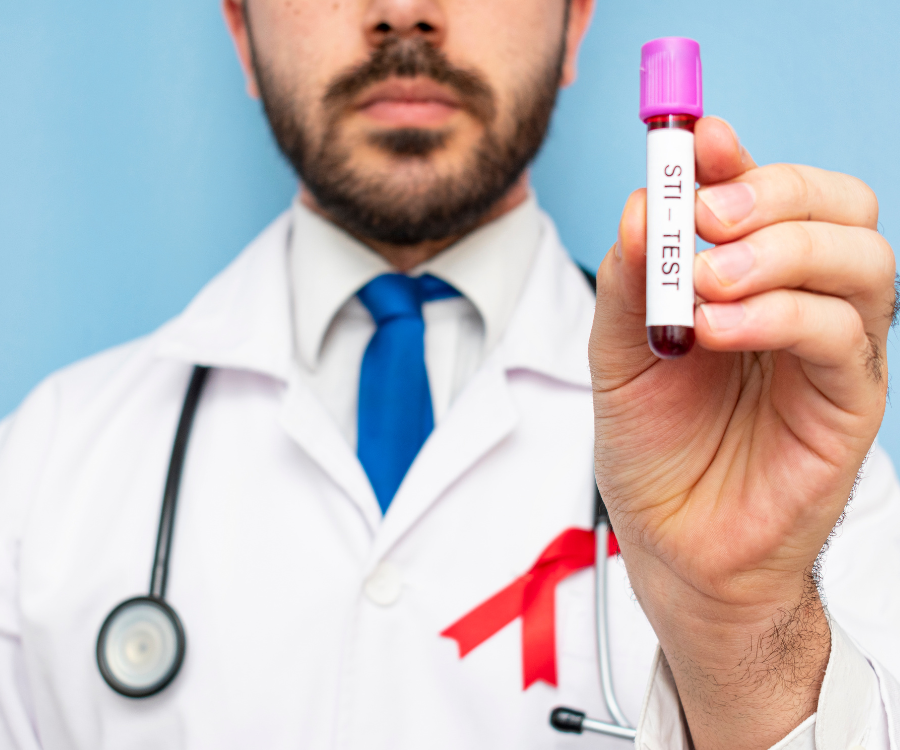
Blood tests offer a safe and effective way to screen for many STIs. These tests detect antibodies or antigens produced by your body’s immune system in response to an infection. Early detection is key, as it allows for prompt treatment, preventing complications and transmission to partners.

Benefits of regular STI testing:

  • Protects your health: Early treatment prevents complications like infertility, pelvic inflammatory disease (PID), and certain cancers.
  • Protects your partner’s health: Timely diagnosis and treatment minimize the risk of transmission.
  • Peace of mind: Knowing your status reduces anxiety and empowers you to make informed decisions about your sexual health.

Who should get tested?

Anyone who is sexually active should consider regular STI testing, especially:

  • People with new sexual partners
  • Individuals engaging in unprotected sex (including oral sex)
  • Persons experiencing any STI symptoms (burning during urination, unusual discharge, sores, etc.)
  • Pregnant individuals or those planning pregnancy

Where to get tested?

Many options exist for STI testing:

  • Doctor’s office: Discuss testing options with your healthcare provider.
  • Planned Parenthood or other community health clinics: These facilities offer confidential and affordable testing.
  • At-home testing kits: While convenient, consult a healthcare professional to discuss test results and potential treatment.

Remember:

  • There’s no shame in getting tested. It’s a responsible and proactive step towards maintaining sexual health.
  • Testing is confidential and privacy is protected.
  • Treatment options are available for most STIs, and early detection is key to successful outcomes.

Taking charge of your sexual health starts with open communication and informed decisions. Regular STI testing, particularly blood tests, empowers you to protect yourself and your partners. Talk to your healthcare provider today and make sexual well-being a priority.