
Categories Uncategorized

Why you should get blood tests done even when you are feeling well

Why you should get blood tests done even when you are feeling well

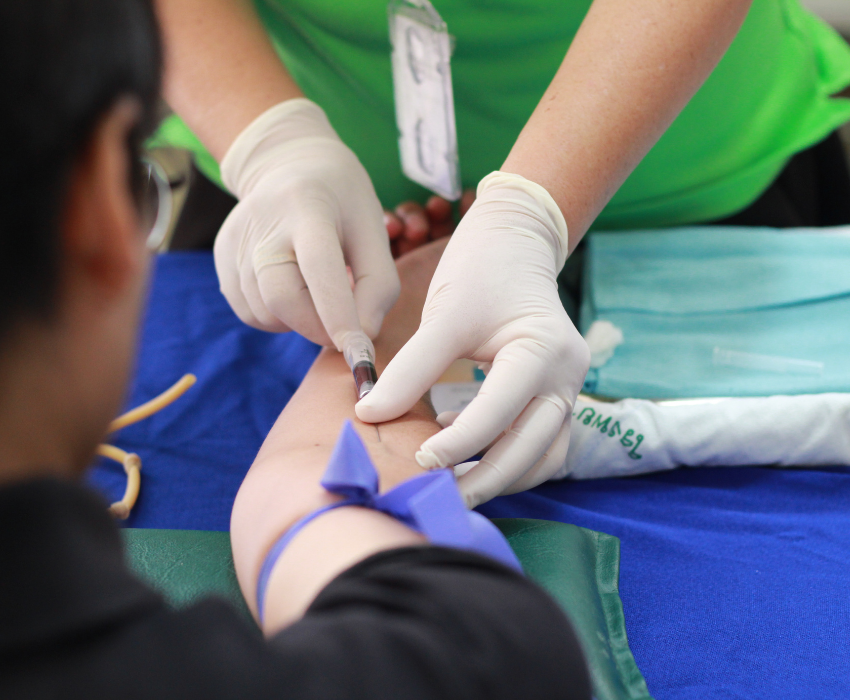
Blood tests are one of the most common medical tests performed. They can be used to check for a wide range of conditions, including infections, anemia, diabetes, high cholesterol, and kidney disease. Blood tests can also be used to monitor the effectiveness of certain medications.

Even if you are feeling well, it is important to get regular blood tests. This is because some medical conditions, such as diabetes and high cholesterol, can have no early symptoms. By getting regular blood tests, you can catch these conditions early and start treatment before they cause serious health problems.

Here are some of the benefits of getting regular blood tests:

  • Detect diseases early: Blood tests can detect a wide range of diseases early on, when they are most treatable. This can help you avoid serious health problems down the road.
  • Monitor your health: Blood tests can be used to monitor your overall health and identify any potential problems. This is especially important if you have certain chronic conditions, such as diabetes or high blood pressure.
  • Track the effectiveness of medications: If you are taking any medications, blood tests can be used to track their effectiveness and make sure they are not causing any side effects.
  • Get a baseline: Getting regular blood tests can give you a baseline for your normal values. This can be helpful if you develop any symptoms in the future, as your doctor can compare your current results to your baseline to see if there are any changes.

Global stats about blood tests

  • According to the World Health Organization, over 1 billion blood tests are performed worldwide each year.
  • The most common blood tests performed are complete blood counts (CBCs) and basic metabolic panels (BMPs).
  • CBCs measure the different types of cells in your blood, while BMPs measure your blood sugar, electrolytes, and kidney function.
  • Blood tests are used to diagnose and monitor a wide range of diseases, including infections, anemia, diabetes, high cholesterol, and kidney disease.
  • Blood tests are also used to monitor the effectiveness of certain medications.

Promote Path 24

Path 24 is a pathology company that offers a wide range of blood tests, including CBCs, BMPs, and other specialty tests. We are committed to providing our patients with accurate and timely results.

We offer a convenient and affordable way to get blood tests done. You can schedule an appointment online or by calling us. We also offer walk-in appointments at our convenient locations.

Our team of experienced technicians and pathologists will ensure that your blood tests are performed correctly and that your results are accurate. We will also provide you with personalized advice on how to improve your health.

Conclusion

Getting regular blood tests is an important part of staying healthy. Even if you are feeling well, it is important to get blood tests to check for any underlying medical conditions. Path 24 offers a convenient and affordable way to get blood tests done. We are committed to providing our patients with accurate and timely results.

Categories Uncategorized

Significance of Blood Testing

Significance of Blood Testing and Path 24’s Commitment to Your Health

Introduction

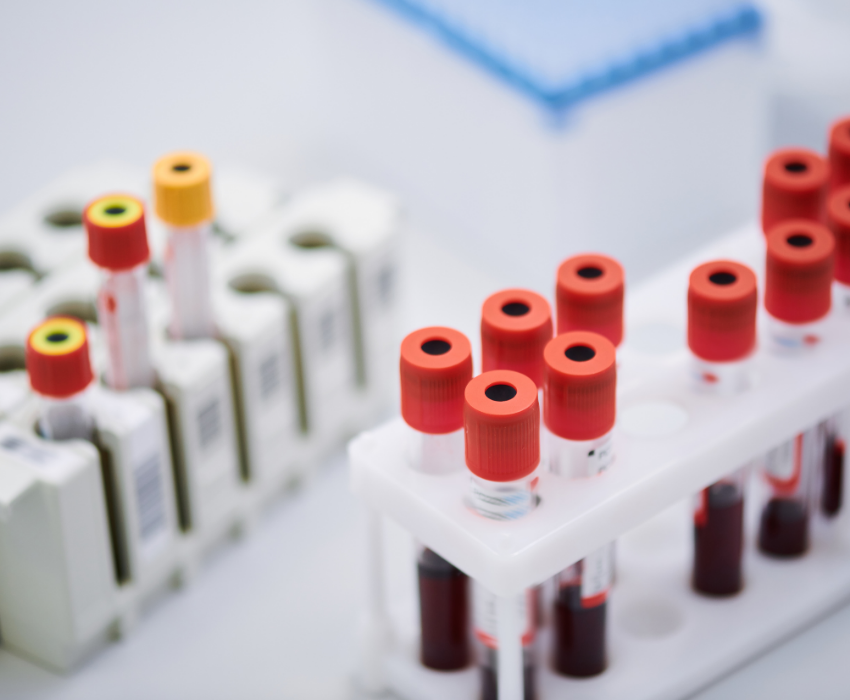
In a world where health takes center stage, early detection and management of conditions like diabetes are more critical than ever. At Path 24, we’re dedicated to offering state-of-the-art pathology services, including diabetes blood testing, to empower individuals on their journey towards optimal health. In this article, we’ll explore the pivotal role of diabetes blood testing and share pertinent global statistics about this prevalent condition.

Understanding Diabetes

Diabetes is a chronic metabolic disorder characterized by elevated blood sugar levels. Here are some key global statistics:

  1. Global Prevalence: According to the International Diabetes Federation (IDF), approximately 463 million adults (20-79 years) were living with diabetes in 2019. This number is projected to surge to 700 million by 2045.
  2. Types of Diabetes: The two main types are Type 1 diabetes, an autoimmune condition typically diagnosed in childhood, and Type 2 diabetes, largely linked to lifestyle and diet.
  3. Economic Impact: In 2019, the global healthcare expenditure on diabetes was estimated at USD 760 billion.
  4. Complications: Uncontrolled diabetes can lead to severe complications such as heart disease, kidney failure, and vision impairment.

The Significance of Diabetes Blood Testing

Blood testing is pivotal in managing diabetes effectively. Here’s why it’s so important:

  1. Monitoring Blood Glucose Levels: Regular blood tests, including HbA1c and fasting blood glucose, provide vital information about blood sugar control.
  2. Early Detection of Complications: Blood tests can identify early signs of potential complications, enabling timely intervention and management.
  3. Personalized Treatment Plans: Blood test results guide healthcare providers in customizing treatment plans, ensuring optimal diabetes management tailored to individual needs.
  4. Prevention of Long-term Complications: Effective blood glucose control reduces the risk of diabetes-related complications, significantly enhancing quality of life.

Path 24: Your Trusted Partner in Pathology Services

At Path 24, we’re committed to advancing healthcare through cutting-edge pathology services. Our experienced team and state-of-the-art technology guarantee the highest quality results. When you choose Path 24, you’re choosing excellence in healthcare.

Conclusion

Early detection and proactive management are key to navigating diabetes successfully. Through diabetes blood testing, individuals can take charge of their health and make informed decisions. At Path 24, we’re dedicated to providing top-tier pathology services to support individuals in their journey towards a healthier, more vibrant life. Take the first step with Path 24.

Categories Uncategorized

The Role of Blood Testing in Understanding Fertility

The Role of Blood Testing in Understanding Fertility

Introduction

Infertility is a deeply personal and often challenging journey for many individuals and couples. At Path 24, we’re dedicated to providing cutting-edge pathology services, including infertility blood testing, to offer clarity and guidance in this pursuit. In this article, we’ll explore the significance of blood testing in infertility diagnostics and share pertinent global statistics about this prevalent concern. Trust Path 24 to be your partner in taking proactive steps towards a fulfilling and healthy reproductive journey.

Understanding Infertility

Infertility is a global concern affecting millions of people. Here are some key global statistics:

  1. Prevalence: According to the World Health Organization (WHO), infertility affects an estimated 9% of reproductive-aged couples worldwide.
  2. Contributing Factors: Infertility can be attributed to various factors, including hormonal imbalances, structural abnormalities, genetic conditions, and lifestyle choices.
  3. Gender Balance: Infertility is not solely a female issue. In about 30-40% of cases, male factors contribute to infertility, while female factors contribute to a similar percentage.
  4. Emotional Impact: Dealing with infertility can be emotionally and psychologically challenging, often leading to stress, anxiety, and feelings of isolation.

The Significance of Infertility Blood Testing

Blood testing plays a crucial role in the diagnostic process of infertility. Here’s why it’s pivotal:

  1. Hormonal Profiling: Blood tests can assess hormone levels critical for reproductive health, such as follicle-stimulating hormone (FSH), luteinizing hormone (LH), estrogen, and progesterone.
  2. Ovulation Monitoring: Blood tests can help monitor ovulatory function, providing essential insights into the timing of ovulation.
  3. Thyroid Function: Thyroid disorders can significantly impact fertility. Blood tests measure thyroid-stimulating hormone (TSH) levels, ensuring optimal thyroid function.
  4. Evaluation of Reproductive Organ Function: Blood tests can detect conditions affecting the reproductive organs, such as polycystic ovary syndrome (PCOS) or endometriosis.

Path 24: Your Trusted Partner in Pathology Services

At Path 24, we’re committed to advancing healthcare through state-of-the-art pathology services. Our experienced team and cutting-edge technology ensure the highest quality results. When you choose Path 24, you’re choosing excellence in healthcare.

Conclusion

Understanding and addressing infertility requires a comprehensive approach, including advanced diagnostics like infertility blood testing. At Path 24, we’re dedicated to providing top-tier pathology services to support individuals and couples in their journey towards building a family. Take the first step towards a hopeful future with Path 24.

Categories Uncategorized

The Role of Blood Testing in HIV Management

The Role of Blood Testing in HIV Management

Introduction

In the realm of healthcare, early detection and effective management of conditions like HIV are paramount. At Path 24, we’re dedicated to providing cutting-edge pathology services, including HIV management blood testing. In this article, we’ll delve into the significance of blood testing in HIV management and share vital global statistics about this condition. Trust Path 24 to be your partner in taking proactive steps towards a healthier, happier life.

Understanding HIV Management

HIV (Human Immunodeficiency Virus) is a global health concern, requiring careful management. Here are some key global statistics:

  1. Prevalence: According to UNAIDS, approximately 37.7 million people were living with HIV in 2020, and there were 680,000 AIDS-related deaths worldwide.
  2. Treatment and Care: As of 2020, around 27.4 million people living with HIV had access to antiretroviral therapy (ART), a significant increase from previous years.
  3. New Infections: In 2020, an estimated 1.5 million people were newly infected with HIV globally.
  4. Challenges: Stigma, discrimination, and access to healthcare remain significant challenges in the global fight against HIV.

The Significance of HIV Management Blood Testing

Blood testing plays a critical role in the management of HIV. Here’s why it’s crucial:

  1. Viral Load Monitoring: Blood tests measure the amount of HIV in the bloodstream, known as the viral load. This helps determine the effectiveness of treatment and guides adjustments if needed.
  2. CD4 Cell Count: Another crucial parameter assessed through blood testing is the CD4 cell count. A higher count indicates a stronger immune system.
  3. Detecting Drug Resistance: Blood tests can identify any drug-resistant strains of the virus, allowing for the adjustment of treatment plans to ensure their effectiveness.
  4. Monitoring Overall Health: Blood tests also provide insights into other aspects of health, such as liver function and cholesterol levels, which can be affected by HIV and its treatment.

Path 24: Your Trusted Partner in Pathology Services

At Path 24, we’re dedicated to advancing healthcare through state-of-the-art pathology services. Our experienced team and cutting-edge technology ensure the highest quality results. When you choose Path 24, you’re choosing excellence in healthcare.

Conclusion

Early detection and effective management are pivotal in navigating HIV. Through HIV management blood testing, individuals can take control of their health and make informed decisions. At Path 24, we’re committed to providing top-tier pathology services to support individuals in their journey towards a healthier, more vibrant life. Take the first step with Path 24.