Categories Uncategorized

How Donating Saves Lives – and Yours Too!

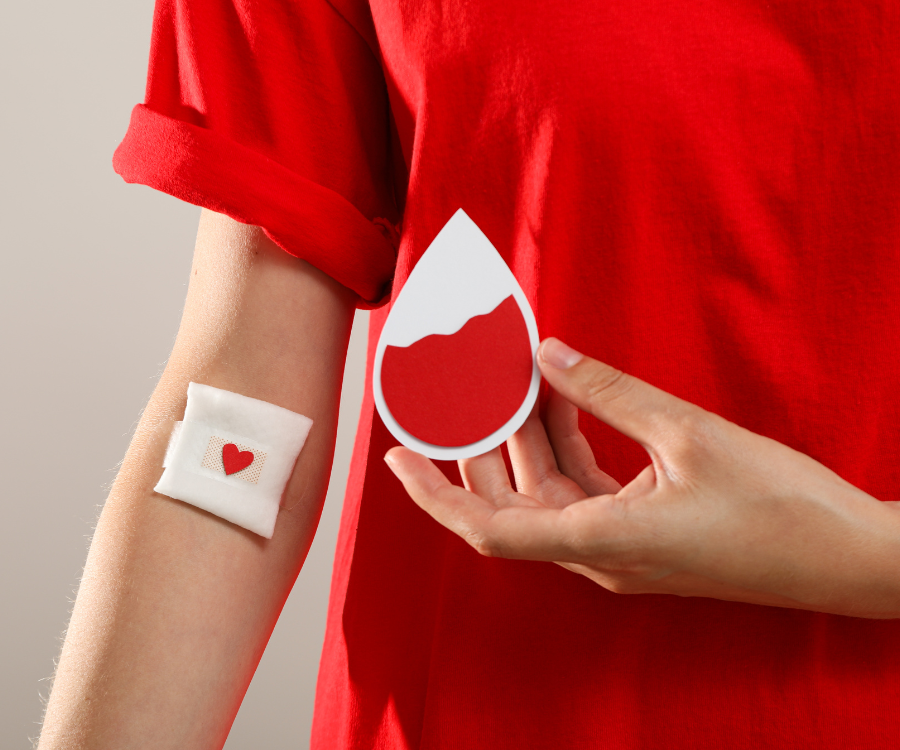
Your Blood, a Lifesaving Elixir: How Donating Saves Lives – and Yours Too!

Imagine this: your pint of ice cream has the power to heal wounds, fight cancer, and even deliver a second chance at life. Sounds like a fantastical superhero movie, right? Wrong! This remarkable power lies within each of us, in the very essence of our being – our blood.

Donating blood isn’t just a noble act; it’s a tangible way to be a living superhero, impacting lives in ways you might never know. But beyond the altruistic glow, did you know that donating blood also benefits your own health? Intrigued? Let’s explore the magic behind this life-saving elixir:

Saving Lives with a Pinch:

Blood donations fuel medical miracles. From routine surgeries to transplants, blood products are essential for various life-saving procedures. Imagine being the missing piece in someone’s fight for survival – a hero whose contribution made all the difference.

Boosting Your Own Health:

  • Free mini-physical: Each donation comes with a mini health check. Your iron levels, blood pressure, and even potential infections are screened, giving you a valuable snapshot of your well-being.
  • Reduced risk of heart disease: Regular blood donations (within recommended limits) can stimulate iron production, potentially lowering cholesterol and reducing the risk of cardiovascular issues.
  • Feel-good vibes: The rush of helping others is a potent health booster! Studies show that altruistic acts release endorphins, promoting feelings of happiness and reducing stress.

Becoming a Blood Hero:

  • Eligibility check: Most healthy adults between 17 and 75 can donate blood. Weight and health history factors play a role, so check with your local blood bank for specific guidelines.
  • Donation process: The entire process takes about an hour, with the actual donation lasting just 10-15 minutes. Relax, grab a snack, and enjoy the satisfaction of saving lives!
  • Find a blood bank near you: Websites like DonateBlood.org can connect you with local blood donation centers. Roll up your sleeves and join the movement of life-saving heroes!

So, the next time you feel powerless or insignificant, remember the superhero within. A single pint of your blood, a gift from your own incredible body, can become a lifeline for someone in desperate need. Donate blood, save lives, and discover the unexpected rewards for your own health. Together, let’s turn the hero-fantasy into a life-saving reality, one blood donation at a time!
Categories Uncategorized

Needle Nightmares: Conquering Blood Test Fears for a Healthier You

Needle Nightmares: Conquering Blood Test Fears for a Healthier You

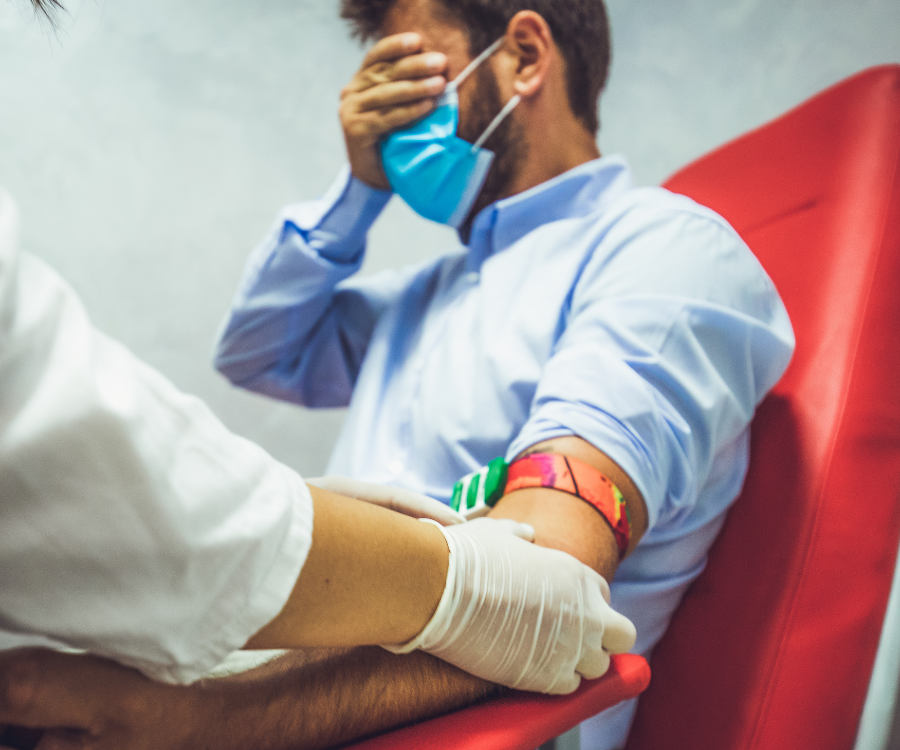
The sight of a syringe can turn even the bravest into jelly. Fear of needles, also known as trypanophobia, affects millions worldwide, and blood tests are often ground zero for this anxiety. But don’t let needle nerves dictate your health! Let’s explore the reasons behind this fear and equip you with tools to face your next blood test with confidence.

Unraveling the Fear Knot:

Why do needles spark such panic? Here are some common culprits:

  • Pain anticipation: The prick and potential discomfort associated with injections trigger the body’s fight-or-flight response, leading to anxiety and even fainting.
  • Blood phobia: Some people experience an aversion to seeing or even thinking about blood, making blood tests doubly daunting.
  • Past trauma: Negative experiences with needles in childhood or previous painful injections can create lasting fear and avoidance.
  • Control issues: The feeling of surrendering control to someone else poking you with a sharp object can fuel anxiety in those who prefer autonomy.

Facing the Fear: From Tremors to Triumph:

Conquering your needle fear takes courage and the right approach:

  • Knowledge is power: Understand the purpose of your blood test. Knowing it can improve your health and prevent future problems can motivate you to overcome your fear.
  • Talk it out: Discuss your anxiety with your doctor or therapist. They can offer support, strategies to manage anxiety, and even explore alternative testing methods if feasible.
  • Distraction tactics: Bring headphones and play calming music, engage in conversation with the nurse, or focus on visualizing a relaxing scene to take your mind off the needle.
  • Squeeze and breathe: Practice relaxation techniques like deep breathing and progressive muscle relaxation to calm your body’s physical response to fear.
  • Positive reinforcement: Reward yourself for facing your fear! Celebrate your success with a small treat or activity you enjoy.

Remember, you’re not alone: Millions share your fear, and many have learned to manage it. Don’t be afraid to seek support and take small steps towards conquering your needle anxieties.

Bonus Tip: Many hospitals and clinics offer “numbing sprays” or distraction techniques like virtual reality headsets to ease needle anxiety. Ask your healthcare provider about available options to make your blood test experience less stressful.

With knowledge, support, and the right tools, you can transform your blood test journey from a fearful ordeal to a confident stride towards better health. Remember, facing your fears paves the way for a healthier, happier you, so take that first deep breath and step into a brighter future, one prick at a time.

#needlephobia #bloodtest #anxiety #fear #healthtips #wellbeing

Categories Uncategorized

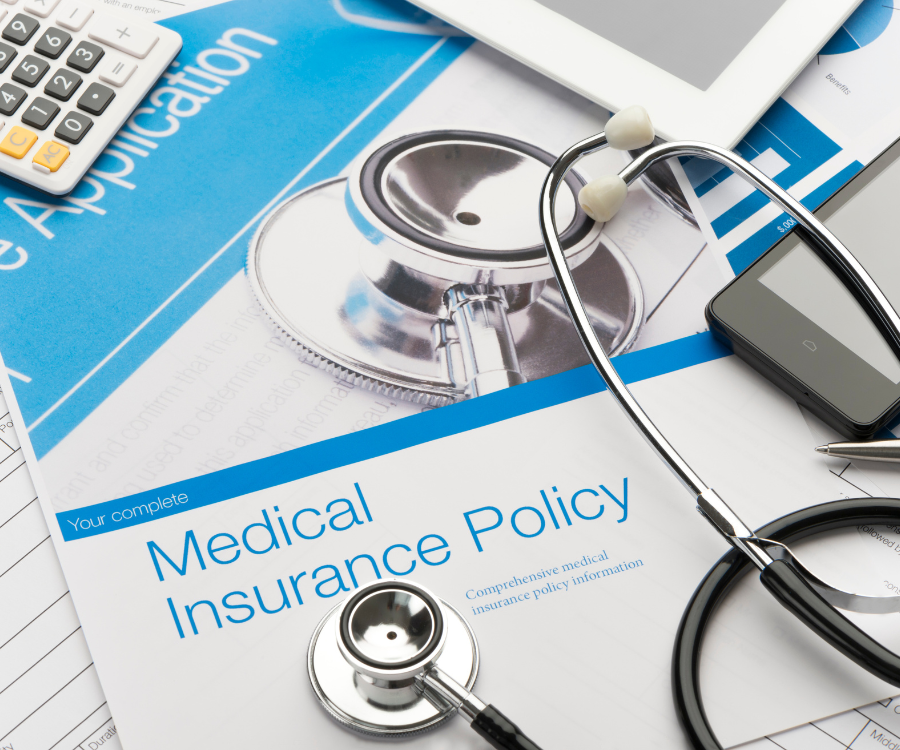
Why Medical Aids in South Africa Should Champion Blood Tests

Beyond Bandages: Why Medical Aids in South Africa Should Champion Blood Tests

In South Africa, where healthcare disparities linger, early detection and preventative measures are crucial for a population facing a rising burden of chronic diseases. And one often overlooked yet powerful tool lies in the simple prick of a finger: the blood test.

Unveiling the Power of a Pinch:

Blood tests offer a window into the body’s hidden landscape, revealing a multitude of health markers:

  • Silent Signals: They can detect silent killers like diabetes, hypertension, and kidney disease before symptoms arise, paving the way for early intervention and improved outcomes.
  • Infection Warriors: From HIV to hepatitis, blood tests identify lurking infections, guiding timely treatment and preventing transmission.
  • Cancer Champions: Early detection through blood tests gives patients and healthcare teams a fighting chance against various cancers, boosting survival rates.
  • Pre-emptive Planning: For individuals with risk factors, blood tests can predict and prevent complications like heart disease or stroke, saving lives and healthcare costs.

Beyond Cost Savings, Investing in Lives:

While medical aids might see blood tests as an initial expense, the long-term benefits speak volumes:

  • Reduced Treatment Costs: Early detection and prevention lower the need for expensive surgeries, hospitalizations, and chronic care later.
  • Improved Health Outcomes: Timely interventions lead to better health outcomes, reducing disability and meningkatkan productivity.
  • Member Loyalty and Trust: Proactive health initiatives through blood tests foster trust and loyalty among members, strengthening the relationship between medical aids and their clients.

Beyond Numbers, A Call to Action:

Encouraging blood tests should go beyond cost-benefit analyses. Medical aids can play a proactive role by:

  • Educational Campaigns: Raise awareness about the importance of blood tests through targeted campaigns, dispelling myths and encouraging preventative measures.
  • Targeted Incentives: Offer financial incentives or reward points for participating in regular blood tests, making them more accessible and appealing.
  • Partnership with Providers: Collaborate with healthcare providers to offer convenient and affordable blood testing options for members.
  • Digital Support: Develop user-friendly platforms for members to track their blood test results and health trends, empowering them to take charge of their well-being.

In a world battling preventable diseases, medical aids in South Africa can become true champions of health by harnessing the power of blood tests. It’s not just about numbers on a screen; it’s about investing in the lives of their members, building a healthier nation, and creating a future where prevention shines brighter than illness.

#medicalaid #southafrica #bloodtests #preventativehealth #earlydetection #wellbeing

Categories Uncategorized

Why Liver Screening Blood Tests are Your Secret Weapon

The Silent Sentinel: Why Liver Screening Blood Tests are Your Secret Weapon

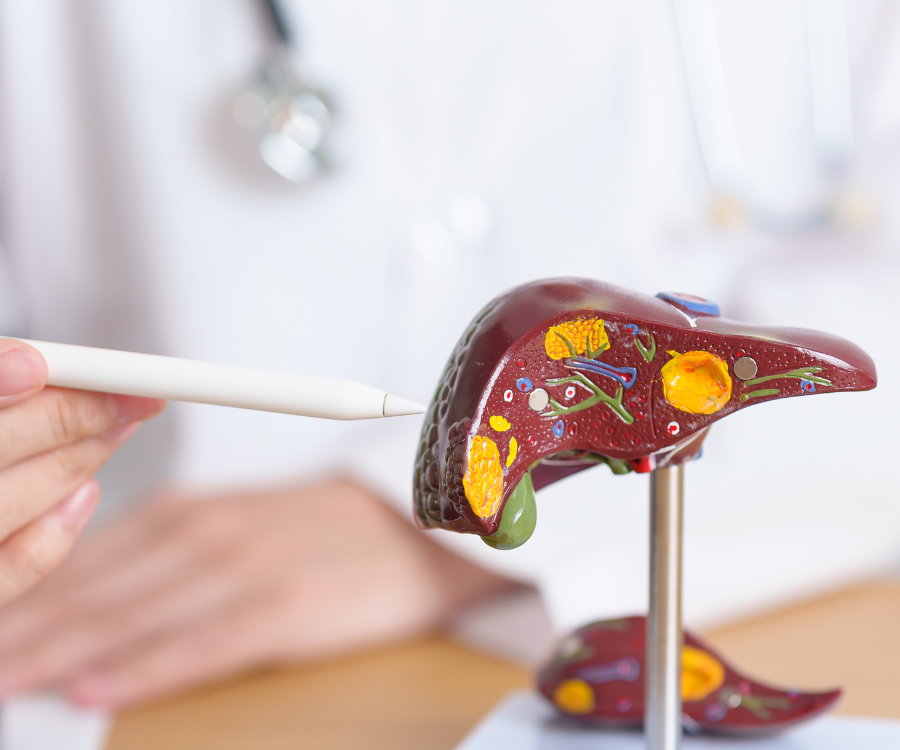
Your liver is a silent hero. It filters toxins, produces proteins, and helps digest food, all without a peep. But this tireless worker is vulnerable to damage, often without noticeable symptoms until it’s late. That’s why regular liver screening blood tests are crucial – they act as your early warning system, identifying potential problems before they turn into major trouble.

Why is the liver so important?

Think of your liver as a factory floor churning out vital tasks for your body. It keeps your blood free of toxins, builds proteins like building blocks for your body, and manufactures bile to aid digestion. But this constant workload makes it susceptible to injury from various sources, including:

  • Viruses: Hepatitis A, B, and C can all infect and inflame the liver.
  • Alcohol: Excessive alcohol consumption can damage liver cells.
  • Fatty liver disease: This condition occurs when too much fat builds up in the liver, interfering with its function.
  • Medications: Certain medications can have side effects that harm the liver.
  • Autoimmune diseases: In some cases, the immune system mistakenly attacks the liver cells.

Why are liver screening blood tests important?

The insidious nature of liver disease lies in its silence. Often, you won’t experience symptoms until the damage is significant. That’s why proactive screening through blood tests is vital. These tests, typically a panel of various measurements, assess different aspects of your liver function. Anomalies in these levels can point towards potential problems, allowing for early intervention before serious complications arise.

What do liver screening blood tests check for?

Liver function tests measure various proteins and enzymes released by the liver. Elevated levels of specific markers can indicate different issues, such as:

  • Bilirubin: High levels suggest issues with bile production or flow.
  • Alanine aminotransferase (ALT) and aspartate aminotransferase (AST): Elevated levels indicate liver cell damage.
  • Albumin: Lower levels suggest impaired protein production by the liver.
  • Gamma-glutamyl transferase (GGT): Increased levels may indicate bile duct problems or alcohol abuse.

Who should get liver screening blood tests?

Regular screenings are especially important for individuals at higher risk for liver disease, such as:

  • People with a family history of liver disease
  • Heavy drinkers
  • Individuals with obesity or diabetes
  • Those taking medications known to affect the liver
  • People exposed to hepatitis viruses

Remember, early detection is key!

Liver disease is often reversible with early diagnosis and proper treatment. Regular liver screening blood tests empower you to become an active participant in your health, safeguarding your silent sentinel. Talk to your doctor about whether you should get a liver screening, especially if you fall into any of the high-risk categories. This simple precaution can be your first line of defense against a silent threat, ensuring your liver stays healthy and keeps its vital work going smoothly.

By prioritizing liver health and embracing the power of preventive screening, you can give your silent hero the support it deserves.

Additional tips:

  • Maintain a healthy weight through balanced diet and exercise.
  • Limit alcohol consumption.
  • Avoid sharing personal items like razors or toothbrushes that could transmit hepatitis.
  • Discuss all medications you take with your doctor to assess potential liver risks.

Take care of your liver, and it will take care of you!